
















Branding
B2B Branding Strategy: Positioning, Proof and Buying-Committee Trust
Sep 6, 2026
/ By Hamoun Ani
A Shopify development agency focused on building better ecommerce experiences and stronger business results.
Brand Vision designs and develops custom Shopify stores built around your products, customers, and business goals. Our Shopify experts handle everything from UX and development to integrations and platform migrations, creating ecommerce experiences that are easy to manage, fast to use, and designed to perform long after launch.

Building real partnerships with top global brands. Delivering results that last well beyond the launch.















Everything you need from a Shopify development agency, from your first custom build to complex ecommerce growth.
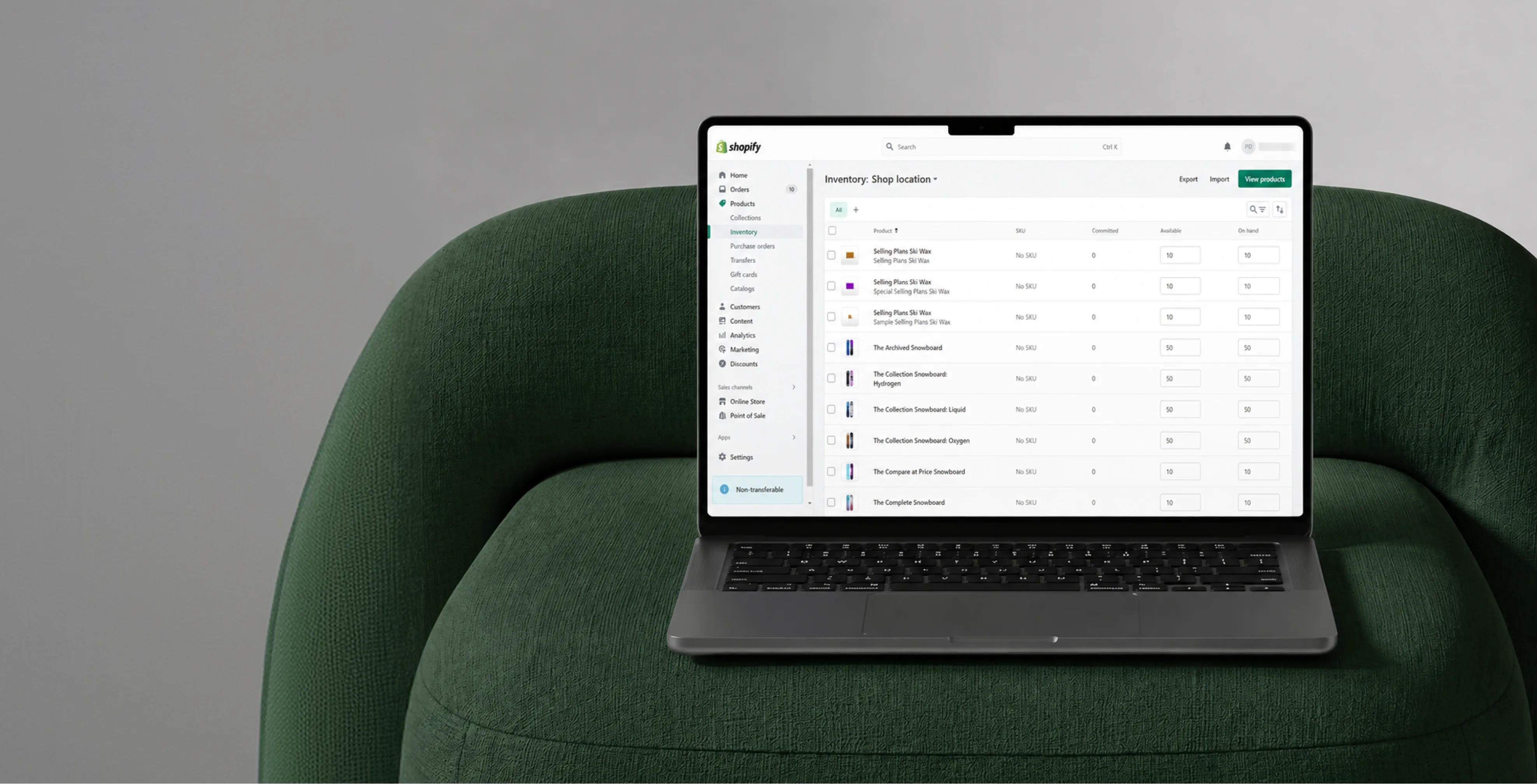
Brand Vision develops custom Shopify stores using Liquid and flexible theme architecture designed around your specific requirements. Our Shopify development services include reusable sections, structured metafields, complex product configurations, custom functionality, and integrations with the systems your business already uses. We prioritize performance, maintainability, and flexibility throughout development so your store remains easy to manage and can continue evolving as your catalog, operations, and ecommerce requirements become more complex.

Brand Vision creates custom Shopify designs built specifically around your brand rather than adapting your business to the limitations of a prebuilt theme. We develop unique visual systems, page layouts, responsive components, product experiences, and ecommerce interactions that reflect your identity while remaining practical for customers and internal teams. The result is a distinctive Shopify storefront that feels purpose-built, gives your brand greater creative flexibility, and creates a shopping experience that doesn't look or behave like an off-the-shelf template.
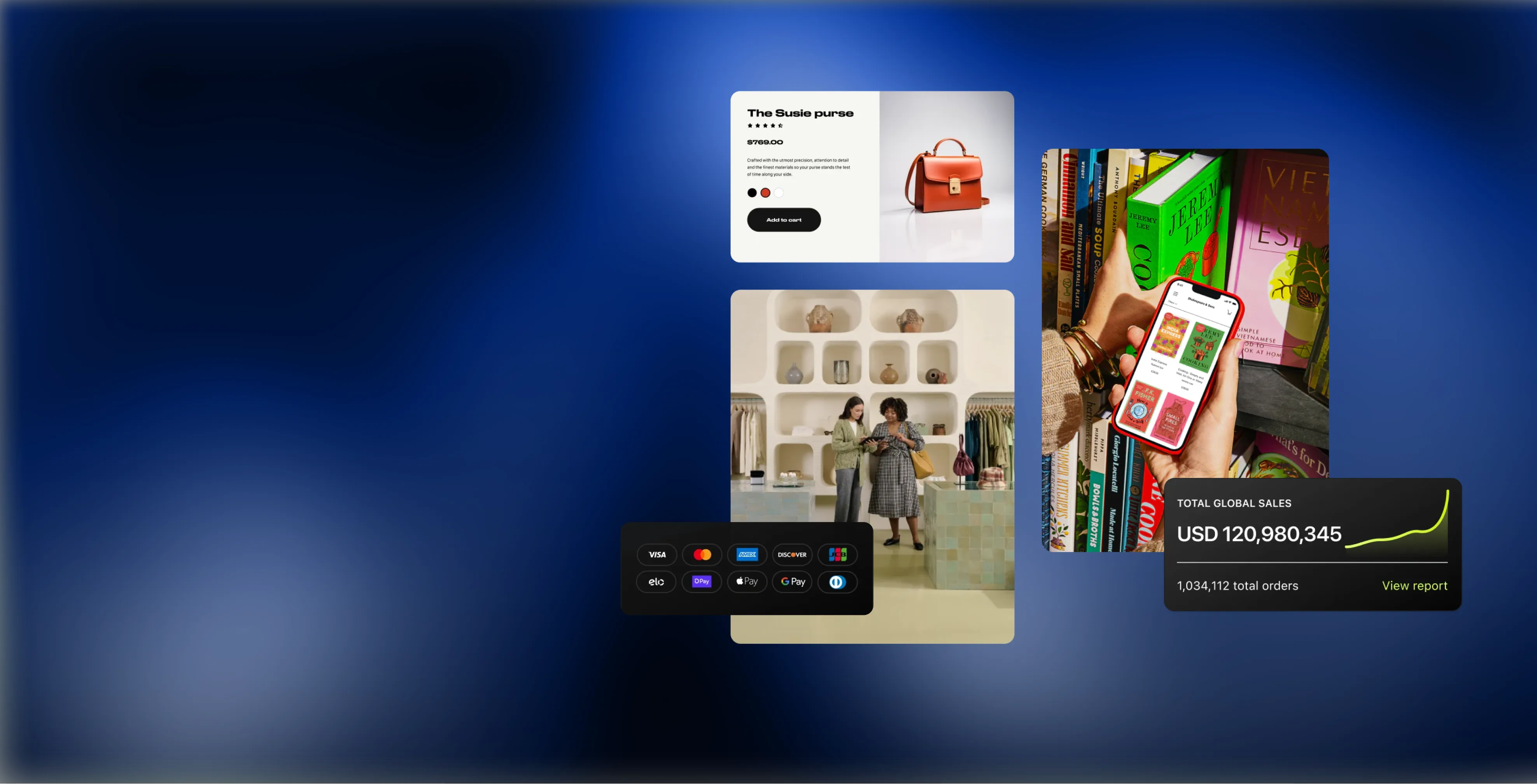
Brand Vision helps growing and enterprise ecommerce businesses take advantage of the greater flexibility available through Shopify Plus. Our Shopify Plus services can support advanced checkout requirements, Shopify Functions, B2B ecommerce, international storefronts, multi-store environments, automation through Shopify Flow, and more complex operational requirements. Rather than implementing features simply because they're available, our Shopify experts structure each Plus environment around the way your business actually sells, operates, and plans to scale.
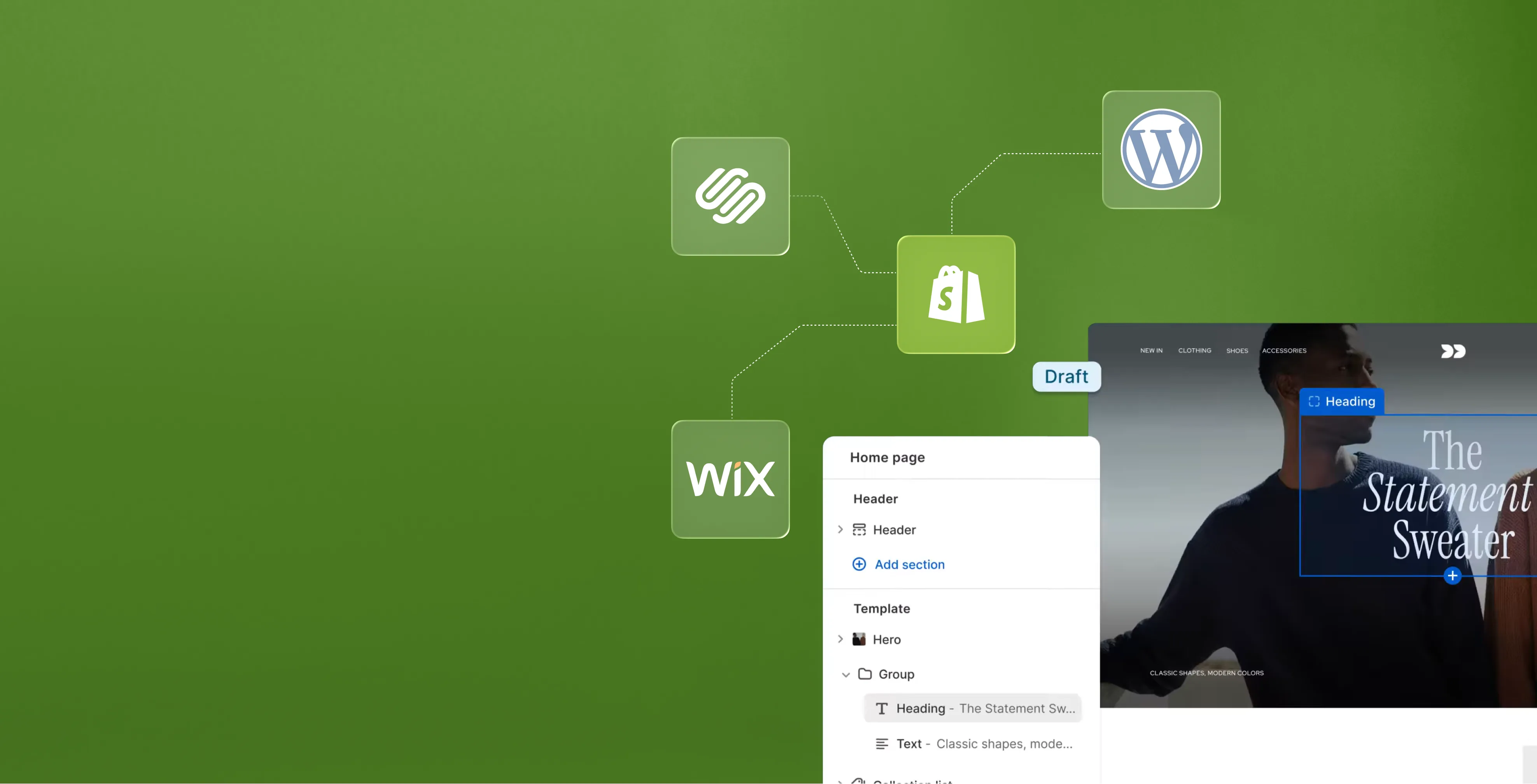
Moving to Shopify requires more than transferring products from one platform to another. Brand Vision manages Shopify migrations with careful attention to products, variants, customer information, order history, content, URLs, redirects, and the relationships between them. Whether you're moving from WooCommerce, Magento, BigCommerce, or a custom ecommerce platform, we plan and test the migration before launch to reduce disruption, preserve important data, protect existing search visibility, and create a smoother transition for both customers and internal teams.
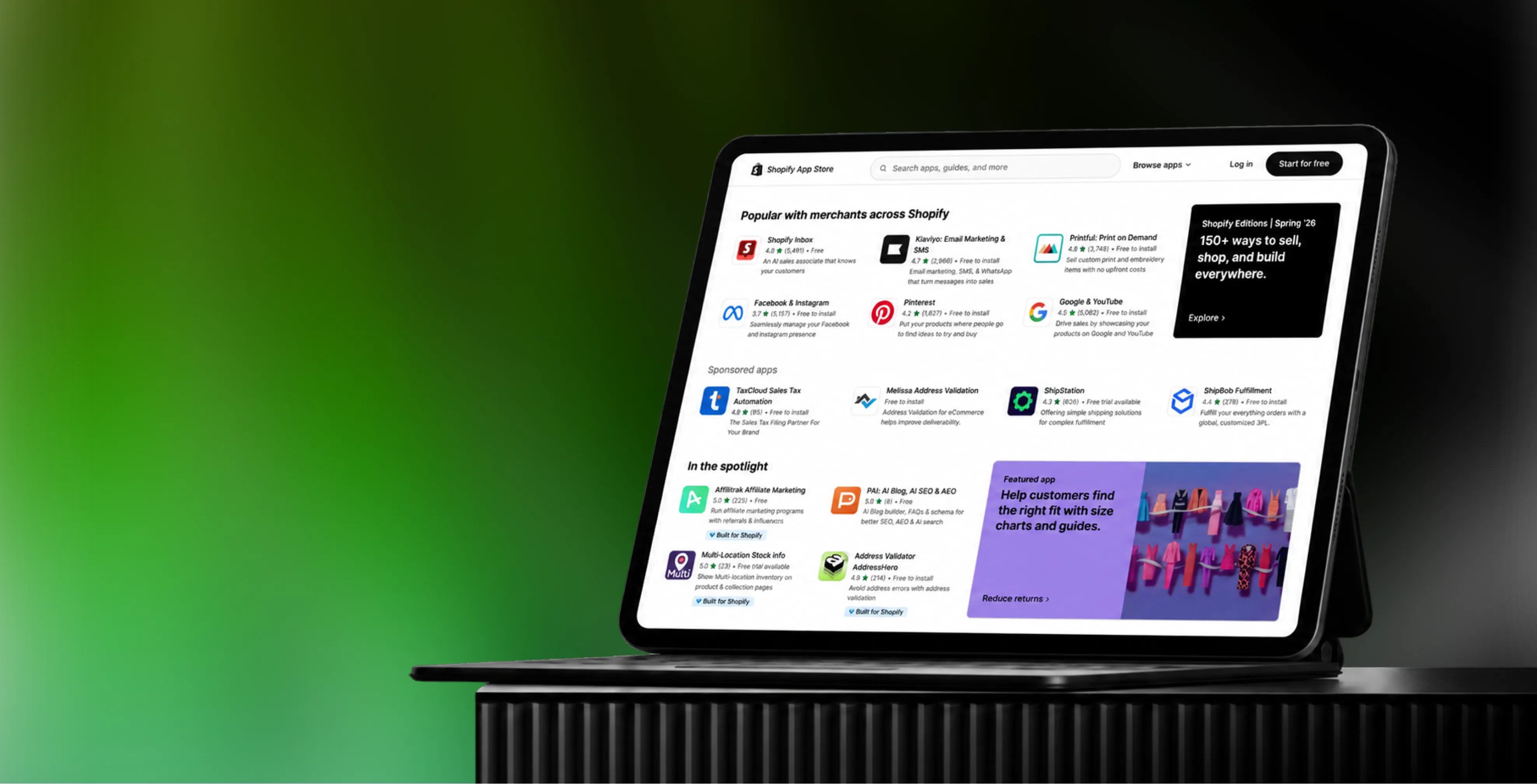
Brand Vision connects Shopify with the platforms, applications, and operational systems your business depends on while keeping the technology stack as streamlined as possible. Our work includes subscriptions, loyalty programs, reviews, ERP and inventory systems, fulfillment platforms, accounting tools, and other third-party integrations, with custom Shopify API development available when an existing solution doesn't meet the requirement. Every integration is approached with performance, reliability, and maintainability in mind so added functionality strengthens the store without creating unnecessary complexity.
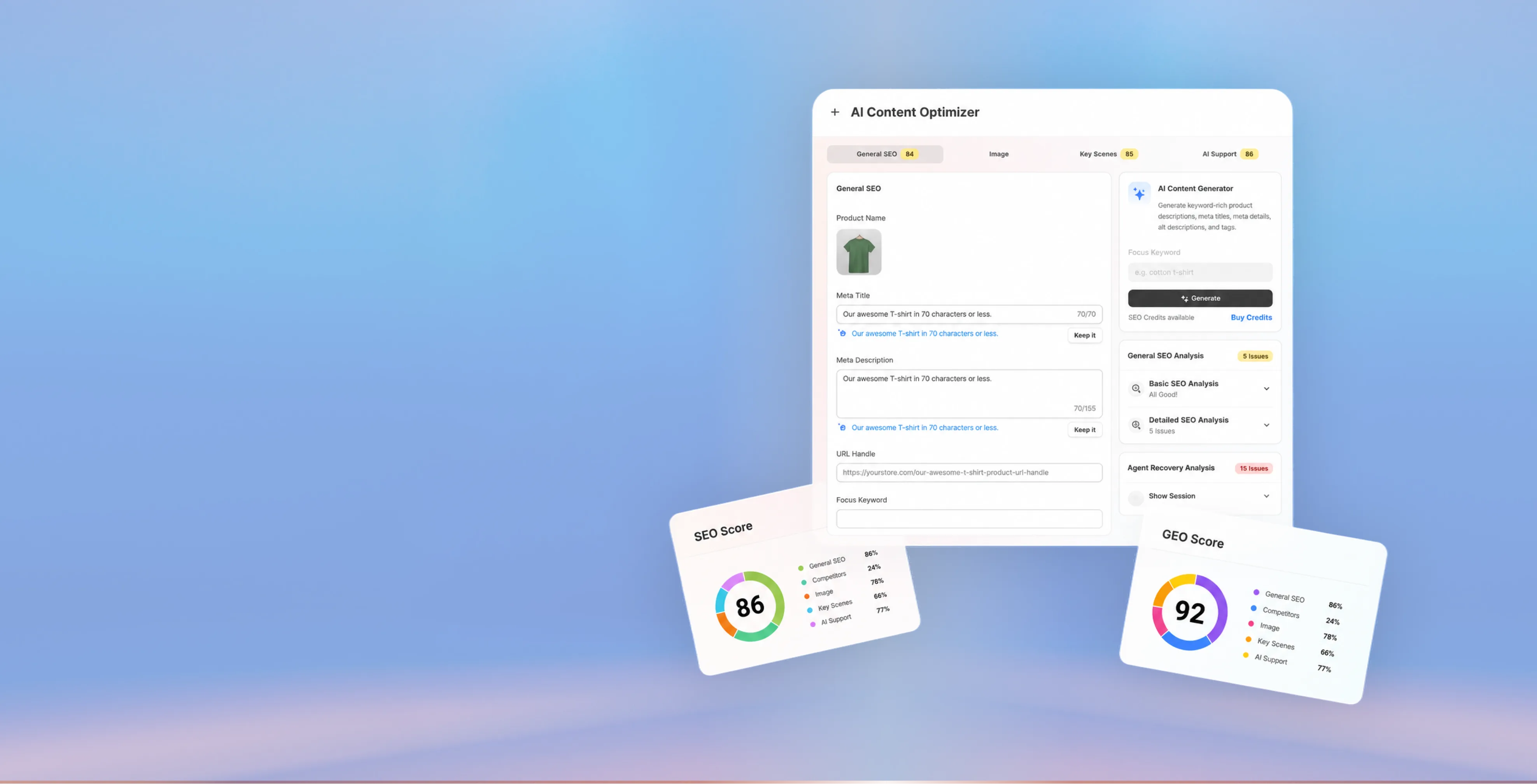
Strong Shopify SEO begins with the way the store is designed and developed. Brand Vision considers collection architecture, URLs, product information, technical performance, internal linking, and other search foundations during the build, while ongoing optimization is supported through our ecommerce SEO services. This includes technical SEO, collection and product optimization, content strategy, authority development, and GEO initiatives designed to strengthen visibility across traditional search engines and AI-powered discovery platforms.
One Shopify process, from the first conversation to launch and everything after it.
Before we open Shopify, we get clear on the products, the customer, and how the business sells. Research and a map of the store's requirements become the brief every Shopify decision is measured against.
We design every template custom for Shopify, built around your brand and the way your customers actually buy, never a marketplace theme. You see and approve the full direction before anything is built.
We build the approved design in Shopify with clean Liquid, reusable sections, and structured metafields, so the store stays fast, easy to manage, and ready to extend as the catalog grows.
We launch with care, protecting products, redirects, and search visibility, then stay on to optimize and grow the Shopify store, from checkout to conversion, as the business scales.
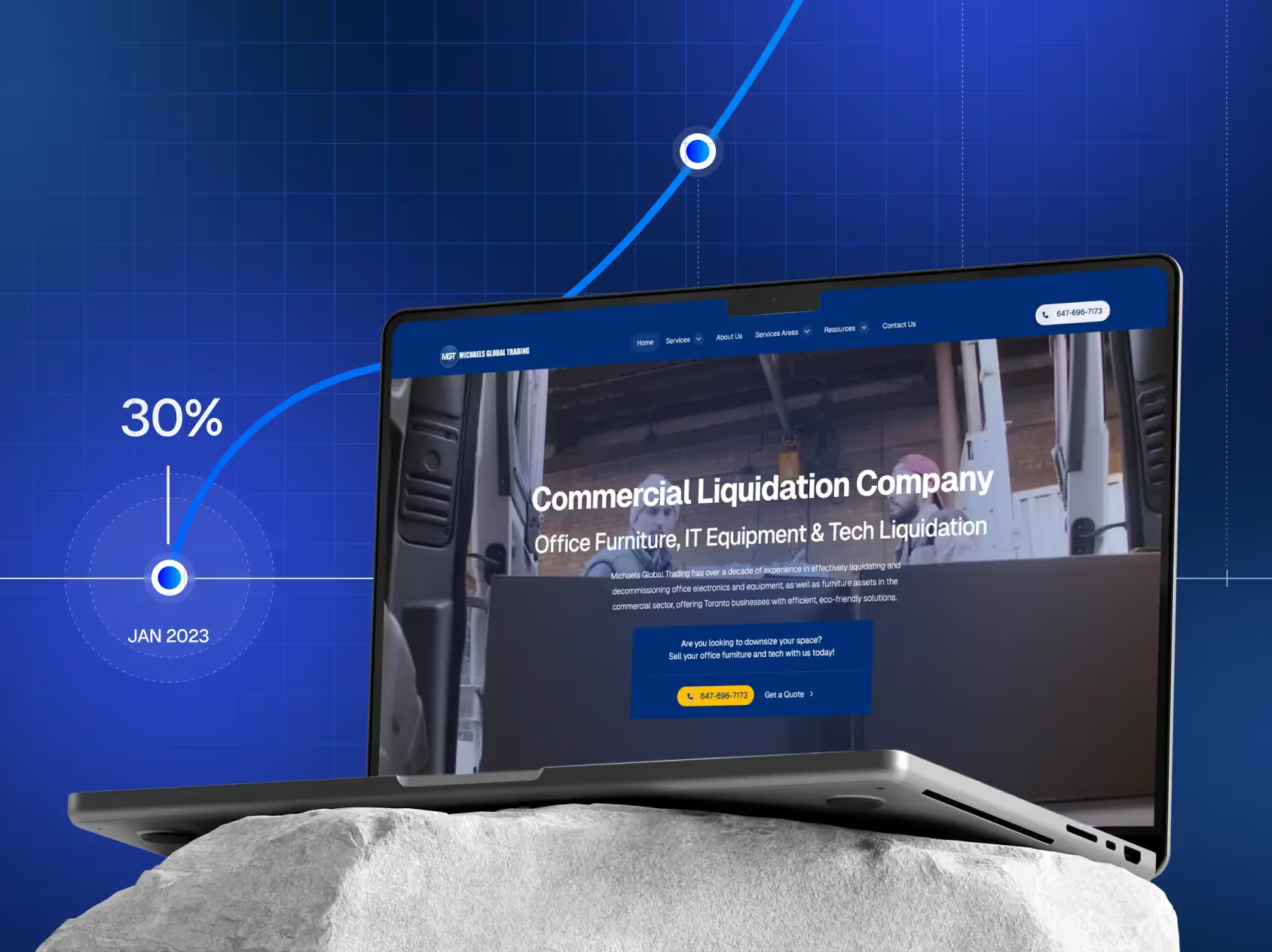
Selected Shopify projects measured by the outcomes that matter, from conversion and performance to revenue growth.
Every ecommerce business operates differently. A fashion retailer managing sizes and seasonal collections has different requirements from a subscription tech brand. Brand Vision builds Shopify stores around those differences.












Product depth shouldn’t slow the story down. We partner with SaaS, platform, and enterprise software teams to translate technical capability into focused narratives. Clear paths to demo, trial, or contact serve both buyers and technical evaluators. Systems are built for product-led growth with composable components, editor guardrails, and instrumented analytics that tie directly to pipeline.
Complex services sell on clarity, not volume. We help consulting, financial, and advisory firms structure their digital presence around buyer tasks: understanding capabilities, comparing options, and starting a brief. Every touchpoint earns trust through specificity and proof. Content is organized by audience need, so the people making the hiring decision find answers quickly and move to contact without friction.
Patients and practitioners make high-stakes decisions under pressure. We design trust-first experiences for healthcare and wellness brands, keeping clinical accuracy intact while making it simple for people to find the right provider, service, or next step. Accessibility, privacy-compliant forms, and plain-language content are standard. Local visibility for practices and clinics is built into the foundation, not bolted on later.
Prospective clients searching for legal help are often under pressure and comparing firms quickly. We help law firms present practice areas with credibility, surface the right contact paths, and build a digital presence that earns trust before the first conversation. Clear structure, plain language, attorney profiles, and consultation flows make it easy for people to take the next step with confidence. Ethical advertising compliance is built in from the start.
Buyers, investors, and project owners move on trust and timing. We work with brokerages, developers, general contractors, and property management firms to present listings, projects, and capabilities with clarity. Content is organized around what prospects actually need: proof of work, service scope, location context, and a direct path to inquire. Pre-construction launches and trade portfolios get the same strategic rigor as resale platforms.
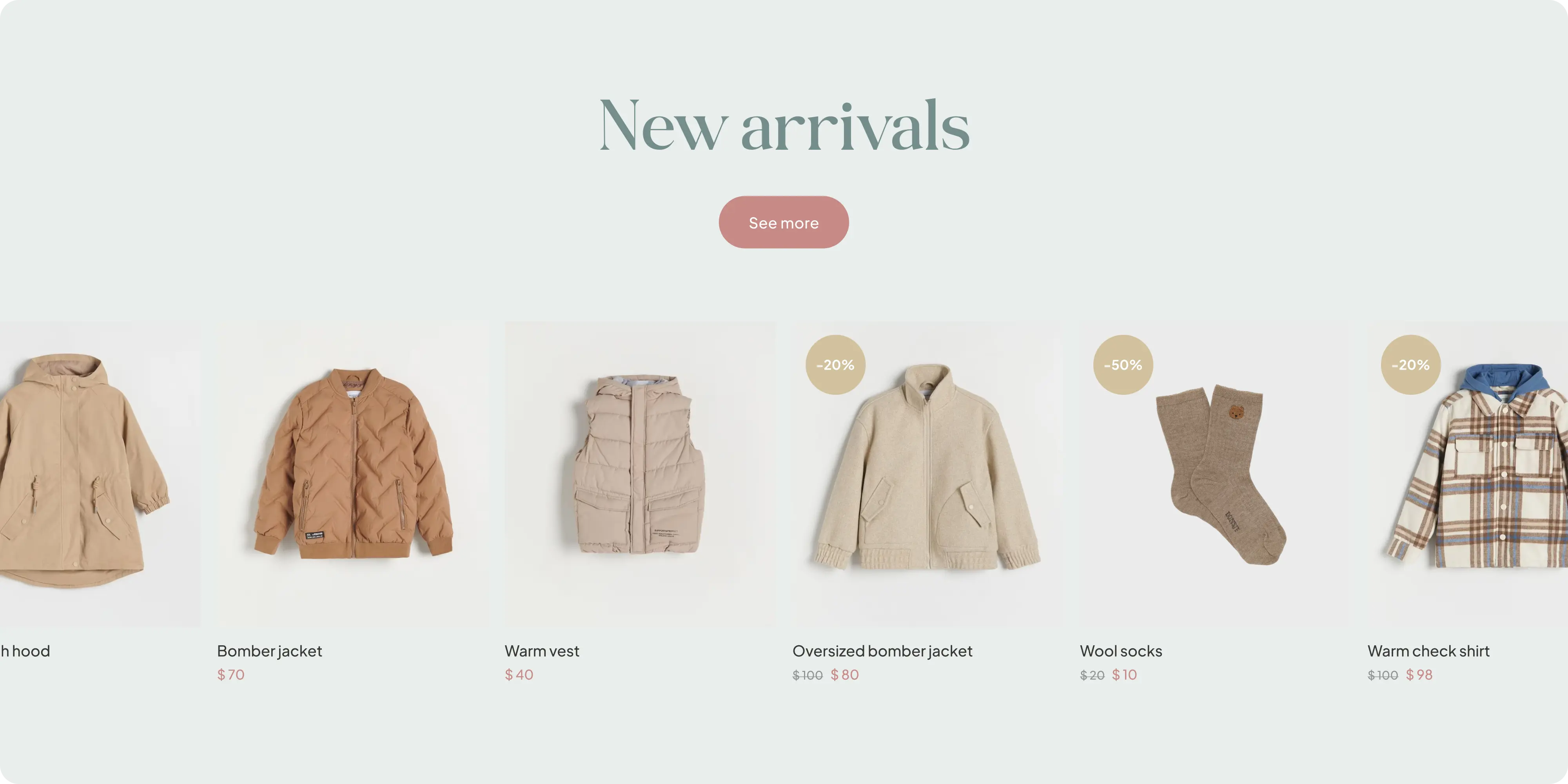
Conversion lives in the details. We work with consumer and ecommerce brands to build fast, clear shopping experiences where product pages explain value quickly, checkout flows reduce friction, and the entire system scales with the catalog. Promotional templates, collection architecture, and performance monitoring keep the storefront sharp as demand and inventory shift with seasons. The result is a store your team can run day to day without developer dependency.
Early-stage companies need focus over flash. We help startups define positioning, build a credible identity, and launch a conversion-ready presence that clearly communicates what the product does, who it’s for, and how to get started. Everything is built to scale: component systems, content structures, and analytics foundations grow with the roadmap instead of needing a rebuild at Series A. The pitch and the website tell the same story.
Students, parents, and administrators all need different answers from the same site. We help schools, universities, and training organizations structure digital experiences by task: apply, visit, inquire, enroll. Accessible design and plain-language content serve diverse audiences without alienating any of them. A manageable CMS means internal teams keep program pages, event listings, and admissions information current without outside help or bottlenecks.
Nonprofits compete for attention, funding, and volunteers simultaneously. We build accessible digital experiences that make programs clear, donation paths intuitive, and calls to action specific enough to drive real participation and support. Content governance is designed for lean teams, so pages, campaigns, and impact reports stay current without bottlenecks. The organizations doing the most important work deserve a digital presence that matches their mission.
From restaurants to packaged goods, this industry sells on quality and convenience. We help food and beverage brands connect story with logistics: clear menus, product lines, ordering options, and wholesale paths that make it obvious how to buy and reorder. Identity and digital experience work in tandem so visitors see quality and know exactly what to do next, whether they’re a consumer walking in or a distributor placing a first order.
Audiences decide in seconds. We work with labels, venues, talent agencies, and event companies to build media-rich, performance-optimized experiences where the work is front and center. Booking, inquiry, and ticket paths stay visible and fast across devices. Campaign templates and component systems let teams launch content for new shows, releases, and events without starting from scratch each time. The creative comes first; the infrastructure stays invisible.
Guests research and book across multiple touchpoints. We help hotels, resorts, tourism brands, and event venues present their experience with clarity, connecting visual storytelling with practical booking flows, local discovery, and seasonal content that stays current. The systems we build make it straightforward for teams to update rates, packages, and promotions without depending on a developer for every change. The experience starts online, and it should feel as considered as the stay itself.













Original research and expert perspective on design, branding, and the strategy behind both.
Still have questions? Contact us to discuss.
A Shopify agency designs and builds inside a system it does not control, which is a narrower brief than a website from nothing and a harder one to get right. The platform has already decided how products, variants, carts and checkout behave. The work is deciding what to do with that, and knowing where the edges sit before a design starts depending on something the platform will not do.
What the work actually covers. The storefront, meaning theme design and the code behind it. The catalogue underneath, meaning how products, options and collections are modelled so the store can grow without somebody maintaining a spreadsheet of workarounds. The apps, which are how most stores gain functionality and how most stores get slow. The connections out to inventory, fulfilment and finance systems. And the ongoing work, because a store that sells every day is never in a finished state.
Why clients bring this work to us.
Design and engineering sit in one team. A theme is a design problem and a Liquid problem at the same time, Liquid being the templating language Shopify themes are written in. Split those across two vendors and you get a design that was approved and never built the way it was drawn.
We tell you what the platform will not do before you pay for a design that needs it. Variant and option ceilings, checkout restrictions and fixed address patterns are all knowable in week one. Finding them in build week costs money for no reason at all.
Established in 2018, with the founding team carrying more than fifteen years of experience before that, and 500+ projects and roughly 150 brands delivered since. Alongside those, RGD and CGD certification, four Awwwards and a Webby, an A plus grade from the Better Business Bureau, 250+ verified five-star reviews, and a 5.0 Clutch rating standing on 64+ verified client interviews.
The commercial case arrives with the design. Average lift in leads across our engagements has been 250%, which is an average across past programs where we were able to retest and not a forecast for your store.
You can look through stores already trading and the senior team behind them before anything gets scoped. Most of this work sits in front of consumer brands selling physical goods, and the honest observation after enough of them is that the store is rarely the reason a business has stopped growing. It is usually the reason it cannot grow faster.
Ten offerings, and a typical engagement draws on four or five of them instead of all ten. Which ones apply depends on whether you are arriving on the platform, already on it and stuck, or already on it and growing faster than the store was built for.
Around those sit the parts a store needs anyway. Search visibility for a catalogue planned into the architecture instead of bolted on later. Accessibility handled while the code is open. And where the honest scope is smaller than a rebuild, a standalone assessment that establishes what is limiting revenue before anybody designs anything. Where the move also means retiring a large legacy site, that becomes a full replatforming project with its own workstreams.
A paid theme from the theme store is a legitimate answer for a lot of stores, and a custom theme earns its cost when the catalogue or the brand does something a general-purpose theme was never shaped for. Both are real options and each carries a bill.
The case for a paid theme, made properly. It is cheap, it is maintained by its author, it has been tested across thousands of stores, and it usually handles the standard patterns competently. For a store with fifty simple products, a straightforward brand and no unusual selling logic, buying a theme and configuring it carefully is frequently the correct use of the budget. We will say so when it is.
Then the part nobody mentions at purchase. The moment a developer edits that theme's code, your store has forked from the version its author maintains. Every future update the author ships has to be merged by hand into your modified copy, or skipped. Skip enough of them and the theme falls behind on performance work, accessibility fixes and new platform features, until the only way forward is a rebuild. This is the most common reason a two-year-old store feels stuck for no visible reason.
There are three ways to live with that.
A custom theme is the right call when the catalogue needs presentation a general theme cannot express, when your existing identity system is distinctive enough that configuring somebody else's design compromises it, when performance targets are commercial instead of aspirational, or when the store carries selling logic the theme has no concept of. It is the wrong call when the real problem is that nobody ever configured the current theme properly.
Worth adding that this trade-off is not unique to this platform. It behaves much the same way on Webflow and in any templated system. Recent work shows what a built theme buys and where a configured one would have been enough.
Two numbers matter and most quotes cover only one of them, which is the build fee and never what the store costs to run every month afterward. Both appear in our proposals, because a store that is cheap to build and expensive to operate is a bad trade dressed up as a saving.
On the build itself, the price follows catalogue complexity, integrations and how much of the theme is custom, and each proposal is broken down to the individual line so you can strike anything that is not pulling its weight. A typical schedule runs in five stages.
Most builds land in eight to fourteen weeks. A migration carrying a large catalogue, real order history and several integrations runs four to six months, and the build stage absorbs that extra time.
Now the running cost, which is the part worth saying out loud. A monthly platform subscription, payment processing on every order, and a monthly fee for each app. That last one accumulates quietly. Ten apps at modest monthly prices becomes a genuine line in your operating budget, and it grows every time somebody solves a small problem by installing something. Processing rates and the extra fee for using an outside payment gateway differ by plan and by country, so we work those against your order volume instead of quoting a general figure.
What moves the build number most. Catalogue size and variant complexity, since fifty products with one option each and fifty sold in four sizes across six colours are not the same job. Whether product photography and copy already exist. The number of integrations. Whether subscriptions or wholesale are in scope, because both add real engineering. How many people approve direction. And whether you are migrating, which adds the data and redirect work on top of everything else.
Where a full build is the wrong recommendation, we scope a platform move or a targeted piece of work inside the broader design practice instead. Tell us what you sell and you will get a range before committing.
The risk on this migration is different from an ordinary rebuild, because you cannot keep your old address patterns even if you want to. The platform fixes the shape of its addresses, so a move onto it is a forced change to every product and category address you currently hold.
What is fixed and what is yours. Products live under a product path, categories under a collection path, editorial under a blog path, and static pages under a page path. The final segment, the handle, is yours to set. The prefix in front of it is not. So a store arriving from a system that used a flat structure, or that nested categories inside one another, cannot reproduce those addresses at all. Each one needs a redirect, and the redirect map is the deliverable that decides whether the move is boring or expensive.
Two platform-specific things catch teams out.
How the move gets handled. Every existing address is collected from four sources that disagree with each other, meaning the sitemap, a crawl of the live site, Search Console, and the list of pages other sites have linked to. Each gets a single destination, so an address carrying inbound links survives even where its traffic is negligible. Titles, headings and body copy stay as they are on pages that already rank, unless the evidence argues otherwise. Structured data for price, availability and reviews gets rebuilt on the new templates. Rankings and traffic are recorded before cutover so the comparison afterward means something.
The honest ceiling. A clean platform migration can still show several weeks of movement while search engines recrawl and reassess, and anybody promising a replatform with no ranking risk has not done many of them. What we can commit to is that the causes are knowable, the benchmark exists, and a drop gets diagnosed from redirect and crawl data in hours instead of guessed at in the next reporting cycle. The parts that outlive launch sit in crawl and indexation work and in collection page work, which is where the durable visibility on a store is actually won.
Almost certainly on volume, and the limit that catches people is the number of options and not the number of variants. A single product supports up to 2,048 variants, which is more than most catalogues will ever need. It supports only three options, and that is where real catalogues break.
Work through what that means. Selling by size and colour uses two of the three, so you are comfortable. Add material and you are at the ceiling. Add finish as well and there is no fourth axis to put it on. A furniture brand that varies by size, by colour, by material and by finish at the same time cannot model that as a single product here, and no amount of design solves it.
Three ways through it, from lightest to heaviest.
One ceiling worth knowing at the top end. Stores carrying 500,000 or more variants run into a daily limit on how many new variants can be created, which does not apply on the Plus plan. If your catalogue is anywhere near that size, the plan question and the catalogue question are the same question and should be answered together.
Then collections, which is where the commercial work lives. Automated collections assemble themselves from rules such as tag, type, price or vendor, and manual ones are curated by hand. Most stores need both, and most stores build them around internal logistics instead of around how a customer shops. That structure is worth more than any single design decision on the site, and it is best settled by watching real shoppers filter a large catalogue instead of arguing about taxonomy in a meeting room.
Where product logic genuinely needs more than three axes and splitting products is unacceptable, WooCommerce models attributes far more freely, and preferring it over this platform on that basis is entirely defensible.
Less than you want and more than you need, and the restriction is doing you a favour more often than it is costing you money. The checkout is the part of this platform you should be most relieved you do not own.
What you get by not owning it is substantial. Payments, fraud screening and tax calculation stop being your engineering problem and largely stop being your liability. The flow has been tested against a volume of transactions no single store could ever reproduce. It stays current with card network requirements, wallet support and regional payment methods without you commissioning a project. And the people maintaining it are measured on conversion, so improvements arrive whether or not you asked.
What it costs you is control. Deep customization of the checkout flow sits behind the top plan, and below that the surface you can change is genuinely limited. Arbitrary extra steps, a resequenced flow and whatever validation logic you fancy are off the table. Teams arriving from a bespoke store or a self-hosted platform find this the hardest adjustment on the whole system, and it is better absorbed in scoping than discovered in build week.
What is adjustable on any plan is still more than most stores use. Branding and typography inside the permitted controls. Which express and wallet payment methods appear, which is one of the highest-value settings anywhere in the store. Shipping rates and how they are presented. Whether discount entry is prominent or quiet. Duty and import charge display on cross-border orders, which matters enormously for anyone shipping between Canada and the United States and is routine ground for our Toronto studio. Post-purchase offers. And the order status and notification experience, which is the most read and least designed screen in ecommerce.
Here is the more useful point. On this platform nearly all of the recoverable conversion revenue sits before the checkout instead of inside it. The product page. How variants get selected on a phone. Whether delivery cost and timing appear before the cart. How the cart behaves under a thumb. How honestly stock is described. Those are theme decisions and they are entirely yours. A store agonizing over a checkout it cannot change while its variant selector confuses people on mobile is optimizing the one part it does not own.
So the work runs in that order. A review of the buying path first, to establish where people genuinely stall, then theme-level fixes, then checkout settings, then a conversation about whether the top plan is worth it for you. Most of the gain shows up in the small interaction decisions long before the plan tier becomes the constraint.
Fewer than you have now, and the app ecosystem is at once the best reason to be on this platform and the most common reason a store is slow. Both are true and neither cancels the other out.
Why the ecosystem is a genuine advantage. Reviews, loyalty, subscriptions, search, bundling, shipping rules, tax reporting and dozens of other requirements are solved by somebody else, maintained by somebody else, and available this afternoon. Building any one of them from nothing would cost more than years of the subscription. Refusing apps on principle is a pose, and it is an expensive one.
Why the same ecosystem is the problem. Most apps inject code into your storefront. Each adds requests, script weight and work for the browser, and nobody is answerable for the sum. A store running fifteen apps has fifteen vendors each convinced their own share of the load is reasonable. Uninstalling frequently leaves code behind in the theme, so a store can still be paying the performance price for apps it stopped paying money for.
How we work through it.
What we will not do is strip a store bare to win a performance score. A reviews app that earns its keep stays even if it costs a tenth of a second. The same accumulation problem appears on WordPress with plugins, and the discipline that fixes it is identical on both.
Most of it, through one of three routes, and choosing the right route is the decision that determines what the thing costs to own for the next five years. This platform is not a closed box, and it is also not a blank server you can put anything on.
Route one, the theme layer in Liquid. Liquid renders on the platform's own infrastructure and has access to store data, so anything that is really a presentation or merchandising problem belongs here. Product configurators within the option limits, content that changes by customer tag or market, bespoke collection layouts, calculators that nobody needs to trust with money. Cheapest route, and it has a hard boundary. The theme layer carries no general-purpose server-side code, so logic that must run privately, or must run before a transaction is permitted, cannot live here.
Route two, a custom app against the platform APIs. Software you own that talks to the store, reads and writes its data, and runs on its own schedule. This is where real business logic goes. Complex pricing, approval flows, quote generation, data synchronization, anything that has to happen while nobody is looking at the site. It costs more, it needs hosting and maintenance of its own, and it is the honest answer when a store app does eighty percent of what you need and the missing twenty is the point.
Route three, an outside service the store talks to. Sometimes the right home for the logic is a system you already run. The store raises an event and the other system decides what happens.
Integrations are mostly route two and route three work. Warehouse and third-party logistics, so what the site claims is in stock matches what is on the shelf. Point of sale, where the storefront and the shop floor share inventory, and where a physical footprint also makes local search presence worth real money. Accounting and enterprise resource planning. Product information management once the catalogue is large enough that spreadsheets have stopped coping.
The design happens before the code. Which records move, which direction they travel, how often, and who wins a conflict. Skipping that last one is how a business ends up with two versions of the same customer and no way to tell which is current. We also plan for the integration being unavailable, because it will be, and what a customer sees in that moment is a design decision instead of an accident.
Which route applies gets settled during scoping, and the custom engineering is priced separately from the design and build side so you can see what each part costs on its own.
Subscriptions and wholesale are both well supported here, and both are operational problems wearing a technical costume. The technology for each is settled and unremarkable. What decides whether either one works is a set of decisions nobody gets to until the second month.
On subscriptions, recurring selling here runs through an app that creates the subscription contract and bills against a payment method the customer has authorized. Choosing that app is the smallest decision in the project. The ones that matter are these.
Consumable categories benefit most, which is why so many food and drink brands arrive here, and the arithmetic underneath it is the same repeat-purchase logic that governs direct-to-consumer economics generally.
On B2B and wholesale, the platform supports selling to businesses natively on its higher tiers, through company accounts that carry their own price lists, payment terms and named buyers. Below that, wholesale gets handled with customer tags and a locked catalogue, with an app, or with a separate store entirely. Which of those fits depends on how many accounts you have and how differently each one is priced.
What a wholesale buyer needs is not what a consumer needs. Fast reordering straight from order history. Quantity break pricing, and case or pallet multiples. Net payment terms and a proper invoice. Tax exemption handling. Their negotiated prices visible without a phone call. And no marketing merchandising in the way. Serving B2B buyers through the same storefront experience built for consumers is the most common wholesale mistake made on this platform.
Four situations where we recommend something else, and we would rather say it in the first conversation than build you a store that fights you for three years. This platform is the right answer for most businesses that ask us about it. It is emphatically not the right answer for all of them.
When product logic needs more than three option axes and splitting products is unacceptable. Configurable, made-to-measure and specification-driven catalogues hit that ceiling immediately. A WooCommerce build handles attributes, conditional fields and unusual pricing rules with far more freedom, and it is also the answer where memberships, licensing, or complex tax and role logic sit at the centre of the model. The price of that freedom is that hosting, updates, security and your share of payment compliance become yours to run, which is an operating burden and not a free upgrade.
When the store is a footnote on a large content operation. If you publish constantly and sell twelve things, the commerce tail should not wag the editorial dog. A WordPress build with a small shop in it suits that shape better, and your publishing team keeps the workflow it already knows instead of learning a merchant admin nobody wanted.
When the requirement genuinely exceeds what the platform models. Several storefronts sharing inventory with different logic per region, commerce embedded inside an application, marketplace behaviour with multiple sellers, or pricing that has to be calculated by a system you already own. That is a custom build, and it should be chosen because a requirement forces it and never because it sounds more serious in a board meeting.
When the monthly total stops making sense. Platform subscription, plus a dozen app fees, plus processing, is a fixed cost sitting against every order you take. At thin margin and high volume, with engineers already on staff, that arithmetic can genuinely favour self-hosting. Usually it does not, and it is worth calculating properly instead of assuming either way.
On outgrowing the platform, here is the honest version. Most stores never do. The ones that press against the ceiling usually resolve it without leaving, by moving to the top plan for checkout control, by replacing the front end while keeping the commerce engine underneath, or by taking wholesale onto its own footing. A full move off this platform is expensive and disruptive, and in our experience it is nearly always triggered by something structural in the business instead of by the software.
If you are unsure which of these describes you, a short diagnostic is a much cheaper way to find out than a rebuild. Sometimes the recommendation is to keep the store you have and fix the theme.
You do, and you own every part of it outright. The store account, the theme code, the design files, the domain, the customer and order data, and the analytics history are all in your name and stay there if we part ways.
What your team handles without calling anyone. Products, variants, pricing, inventory, collections, discounts, blog posts, navigation, and new pages assembled from the sections in the theme. Anybody comfortable with a spreadsheet can run day-to-day merchandising here, and a build that turns a price change into a support ticket was built for the agency instead of the merchant.
What is deliberately fenced off. Locked brand elements, fixed image ratios and constrained field options, so a hurried edit the night before a promotion cannot collapse a template or leak the wrong typeface onto a live page.
What still needs us. New template types, changes to theme code, new integrations, and anything where a wrong decision costs orders instead of looking untidy.
What decays if nobody owns it, and this is the part worth planning for on this platform specifically. Apps update and occasionally change behaviour without warning. The platform revises itself several times a year. Every theme customization made this year becomes a merge decision next year. And performance drifts downward as apps and images accumulate, which nobody notices because it happens a tenth of a second at a time. None of that demands a large retainer. It does demand a name against it and a quarterly look.
What ongoing support covers. Theme and app updates, platform changes, performance monitoring, accessibility as new content arrives, and the design and development a growing store keeps needing. It runs on a six-month minimum, since anything briefer cannot tell you honestly whether it is working. The people doing it are on staff instead of subcontracted, which is why store work appears in the roles we hire for.
How we judge whether it worked. Benchmarks recorded before launch, monitoring afterward, and a retest against the original benchmark instead of against whichever month flatters us. Reporting is against orders, revenue and repeat rate, never against impressions. Where the next gain clearly sits outside the store, in acquisition or retention, that becomes an ongoing marketing program and we will say so instead of proposing a second build.
If you want a read on the store you already have, including whether it needs anything at all, ask for a straight read. An audit concluding do nothing is a legitimate outcome and it happens more often than agencies admit.

Our goal is to nurture your vision and provide innovative, custom solutions for all your marketing needs.


%2520(1).png)
.png)