The agency behind top global brands

We've partnered with brands across nearly every industry, from ambitious startups to established global names. The work has earned its share of recognition, but what we care about is the standard behind it, and the results it creates for the businesses that trust us.





















Our Story
A decade together
shaping brands that last
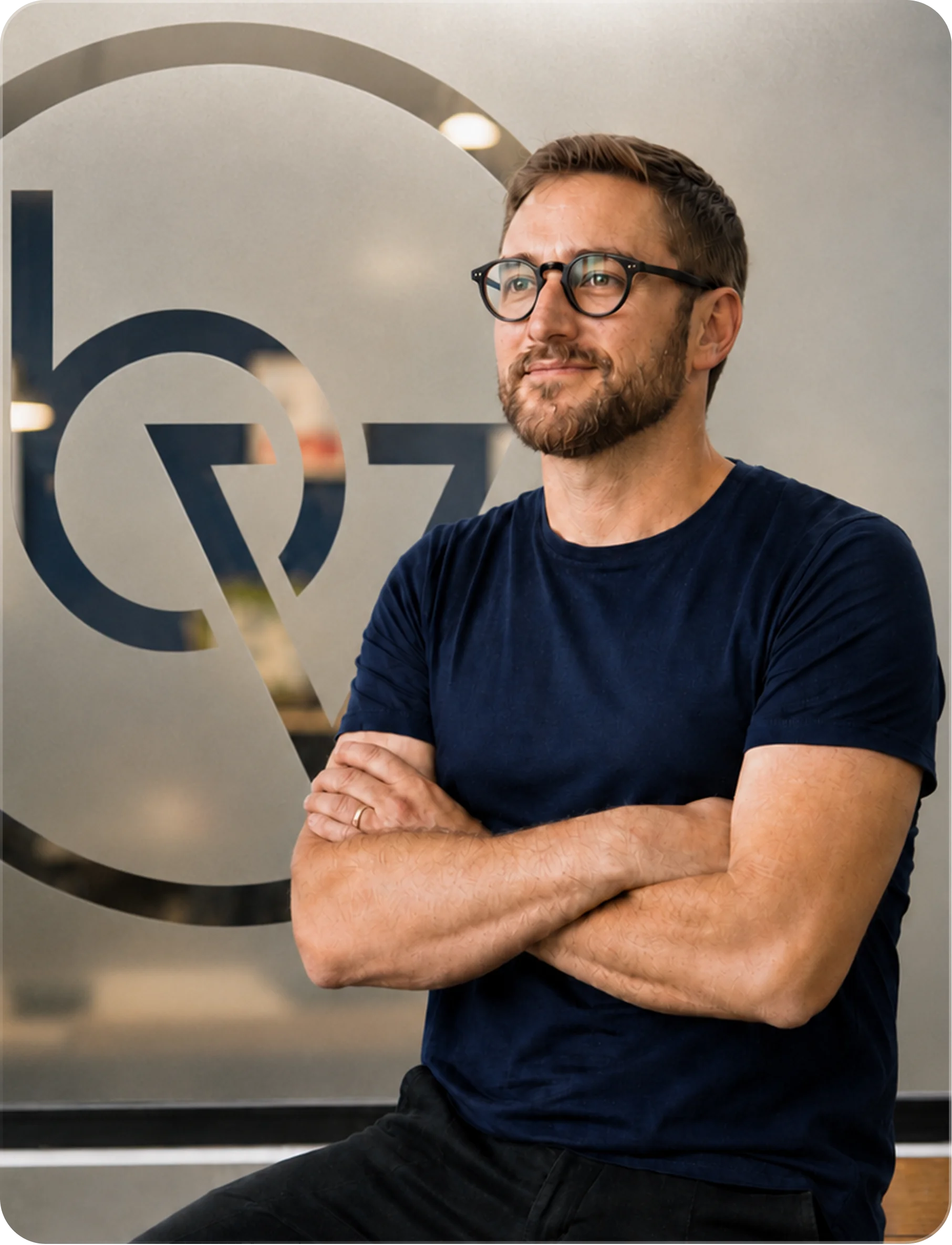
For over a decade, the same senior team has shaped brands across nearly every industry. Working together that long is what lets strategy, design, and engineering move as one, so the work feels considered rather than assembled.

What Guides Us
The Principles
Behind the Work
Clarity
We reduce the noise until only what matters is left. What remains is a brand and an experience the market understands at a glance, and remembers long after.
Outcomes Over Aesthetics
We treat design as a business instrument, not decoration. Every decision answers to a commercial objective and a real user need. It earns its place, or it goes.
Precision
Typography, grid, motion, microcopy, accessibility, performance. Nothing on the screen is incidental. Premium is built in the details most people never notice.
Direct Access
You work directly with the senior people doing the work. Fewer handoffs, sharper decisions, and accountability that runs from first strategy to final launch.
Our Team
Strategy and creative talent from the world's top brands
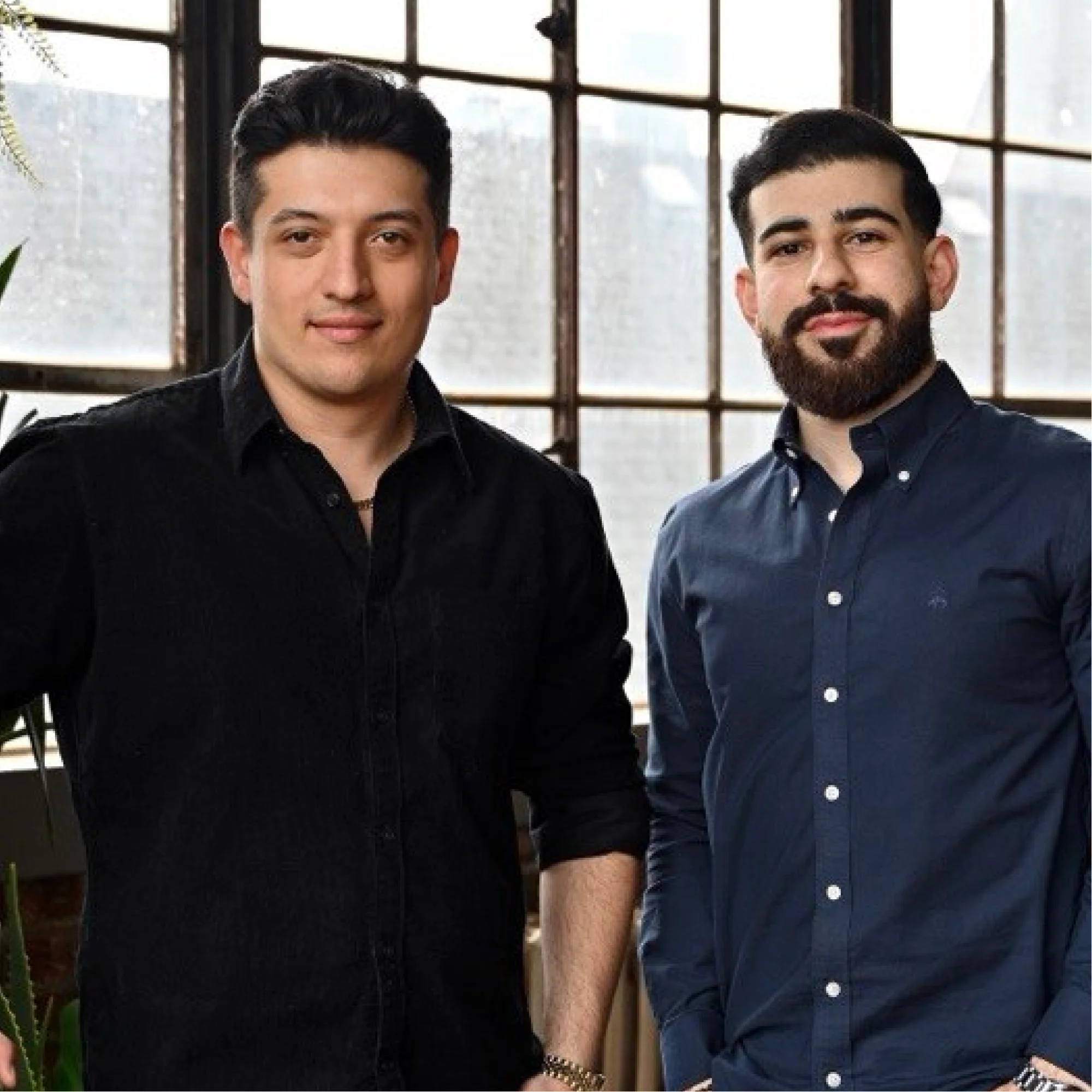
Our team is senior-led, with deep backgrounds in branding, strategy, and brand development, built on years of shaping global brands you already know.


Our Methodology
A Considered Approach
From Strategy to Launch
Good work is rarely the product of talent alone. It comes from how a team is built, how decisions are made, and how firmly a standard holds from the first conversation to the final detail before launch.
One Senior Team
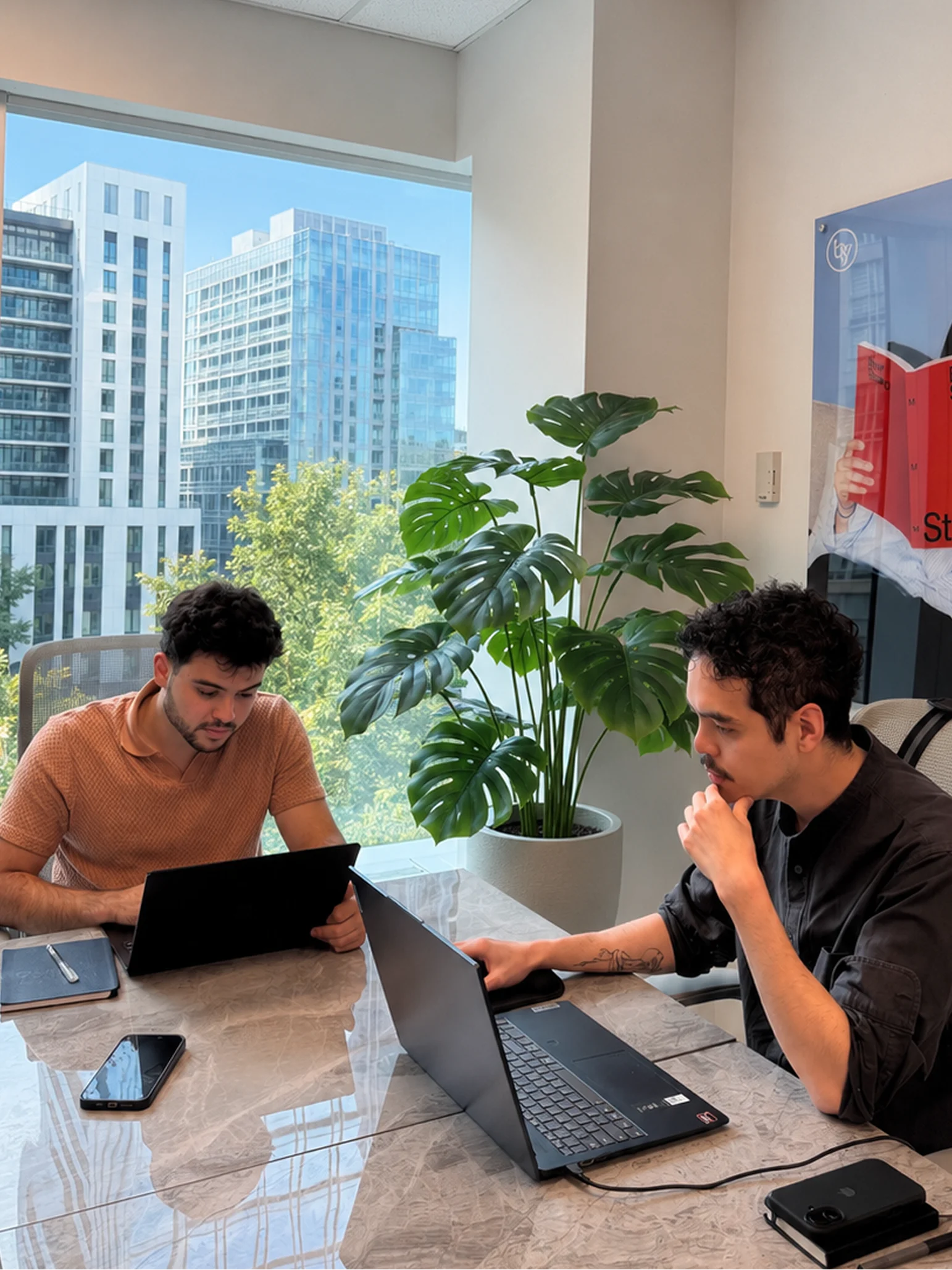
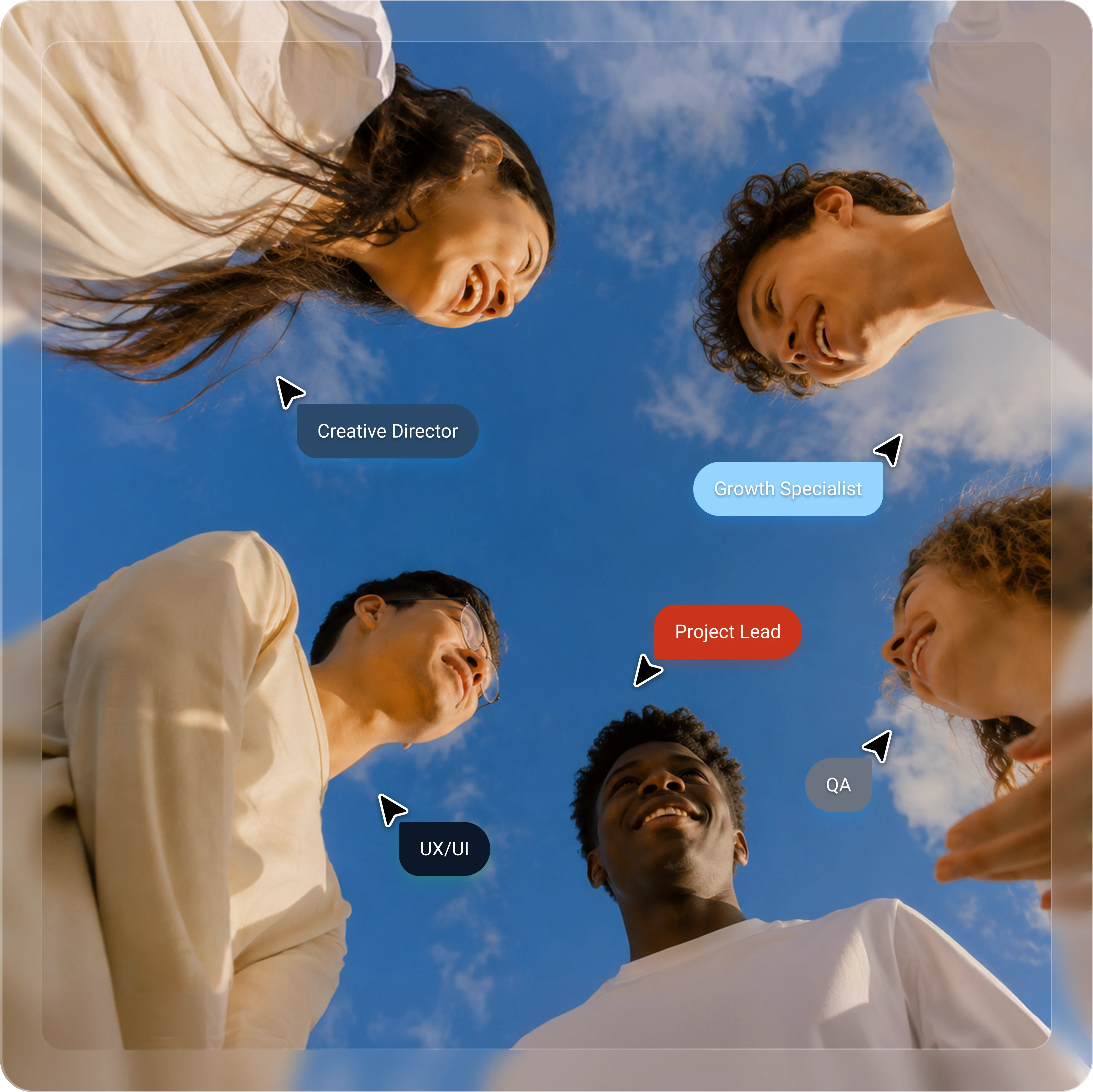
The quality of creative work is rarely limited by ideas alone. It usually depends on who is doing the work and how closely they operate together. Brand Vision keeps strategy, design, and engineering within one senior, in-house team, so the thinking behind a decision carries through to the way it is built. Nothing is passed to junior staff or outsourced, and the people responsible for the work stay involved from the first conversation to launch.
How the Work Progresses
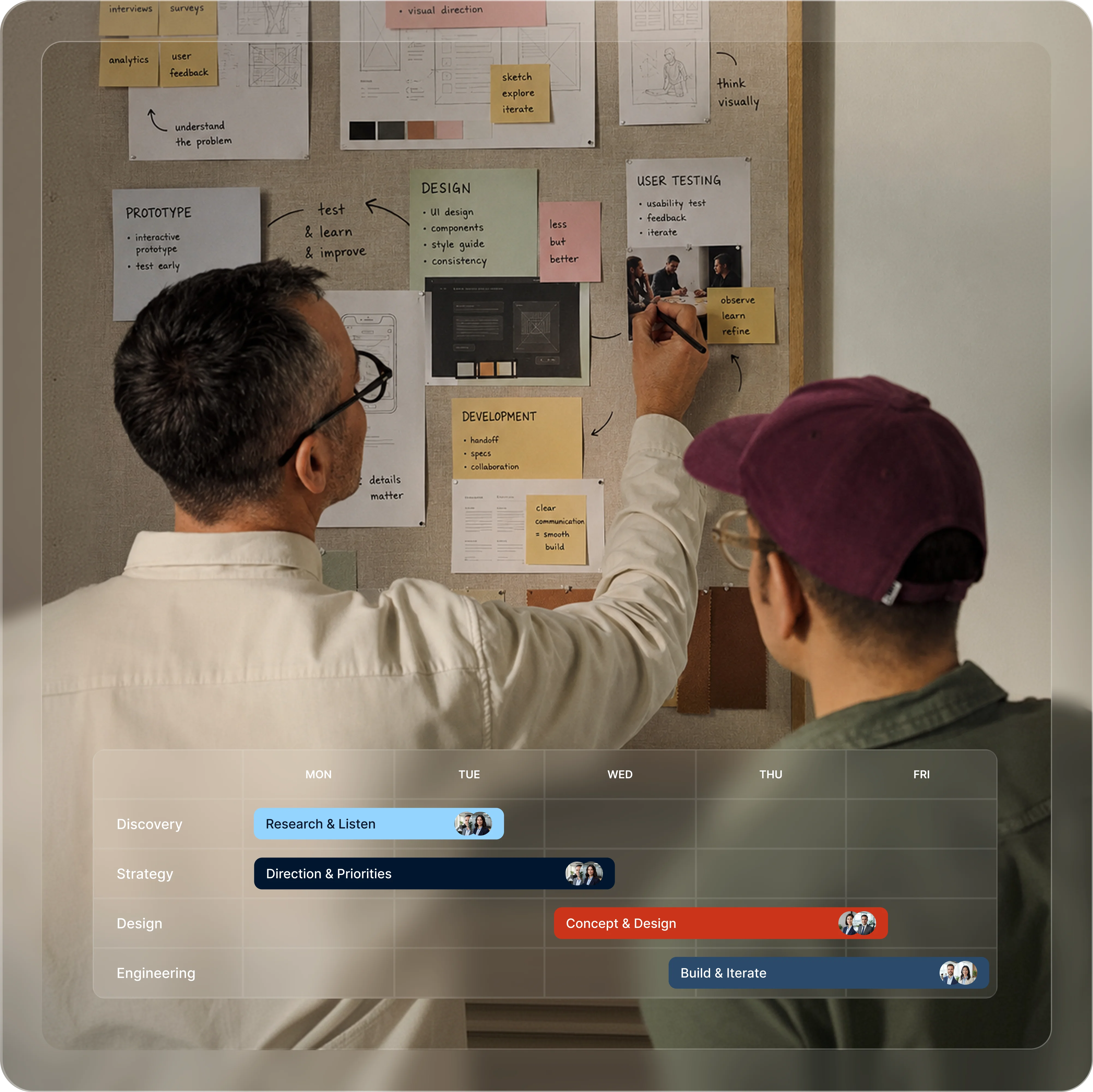
A strong result depends as much on rhythm as on talent. Work that moves too quickly loses rigor, and work that moves too slowly loses momentum. Brand Vision structures each engagement around clear phases of discovery, strategy, design, and engineering, supported by regular working sessions and decisive reviews. This keeps clients close to the thinking as it develops, rather than waiting for a finished result at the end.
Standards
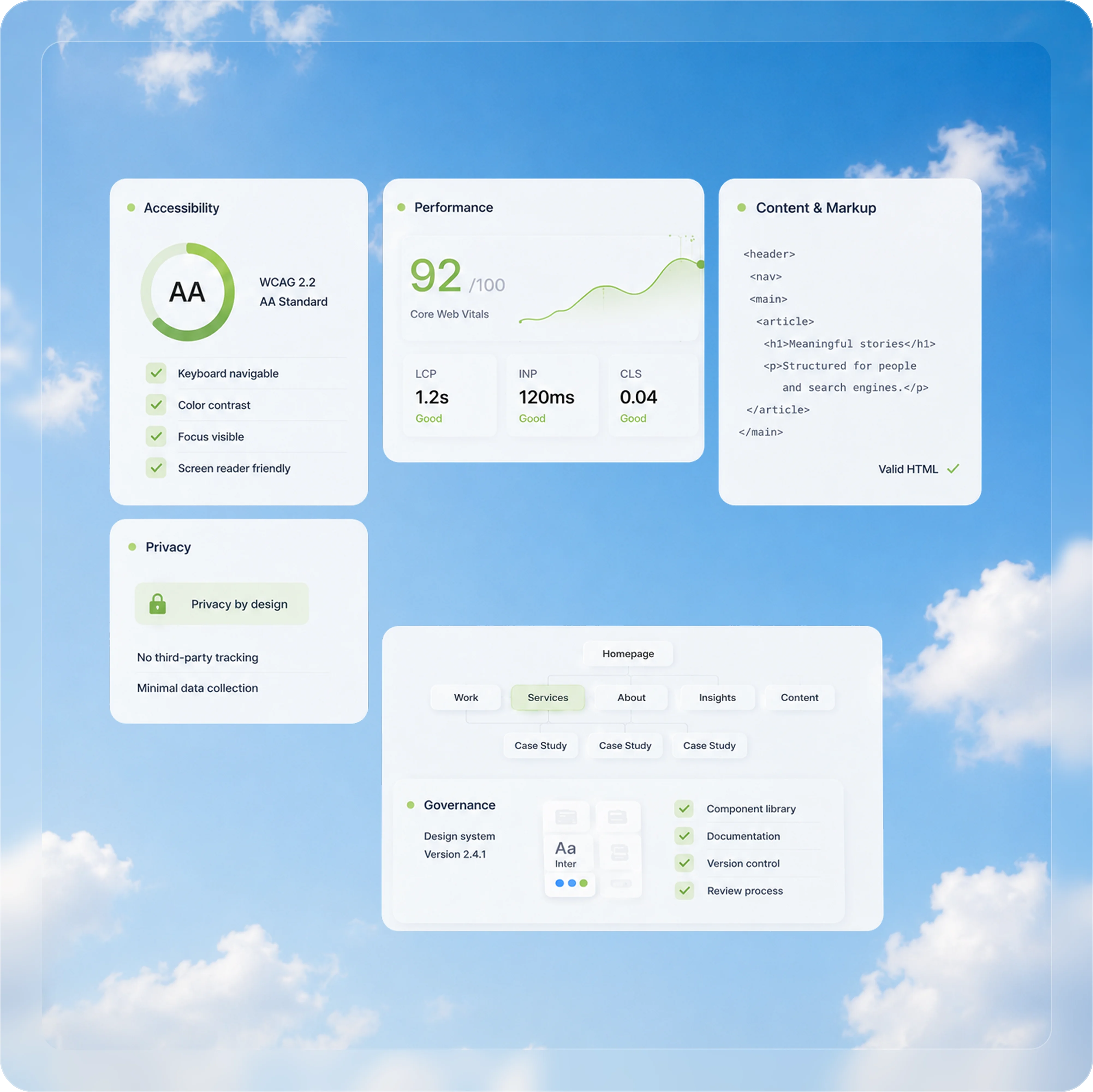
The difference between work that looks finished and work that lasts is usually in the details that are easy to overlook. Brand Vision treats accessibility, performance, privacy, and maintainability as requirements rather than enhancements, addressed from the first day of a project. Structured, semantic content keeps each site legible to people and search engines alike, and clear governance keeps the work consistent long after launch.
Locations
Collaborating With Clients Across North America
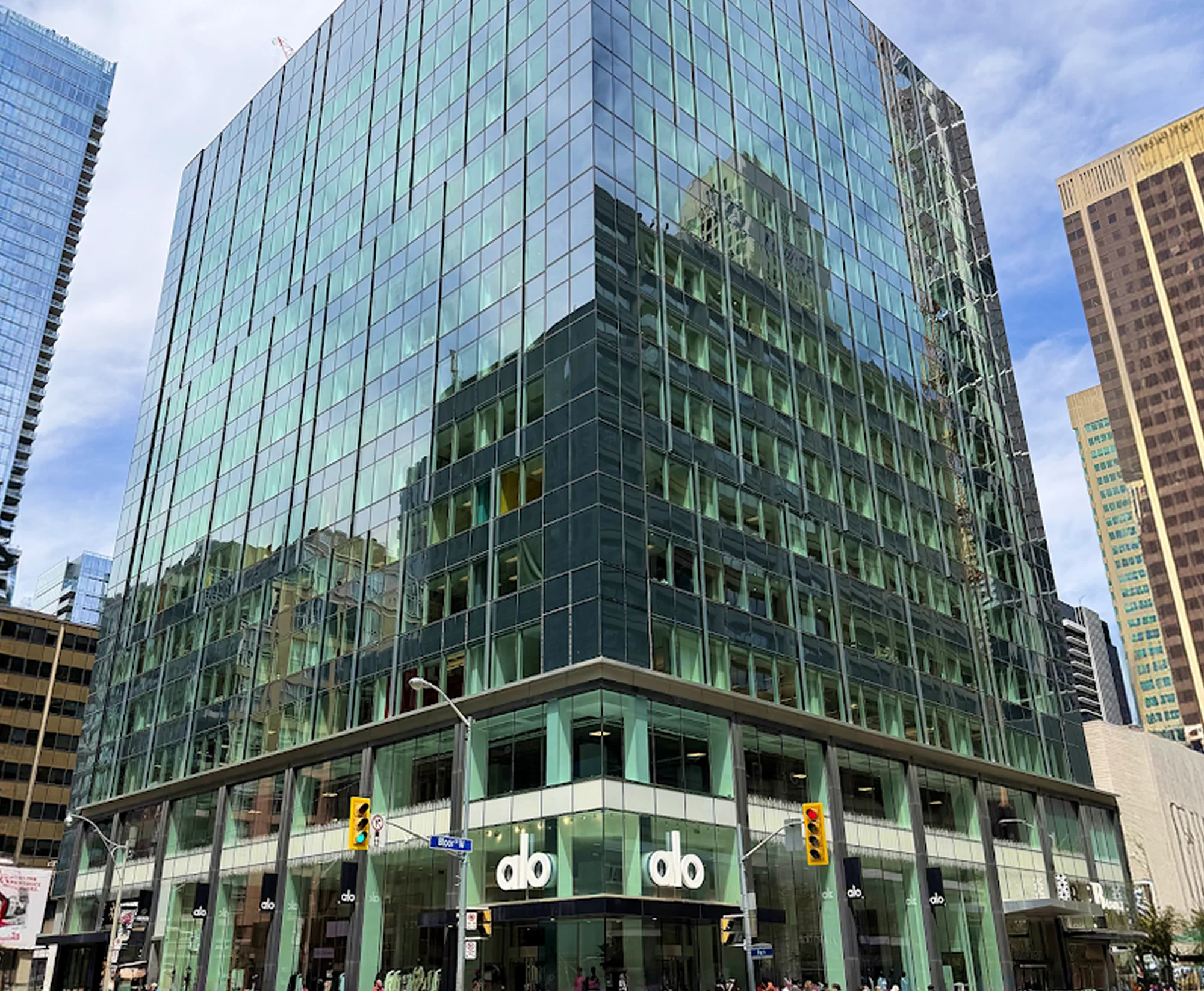
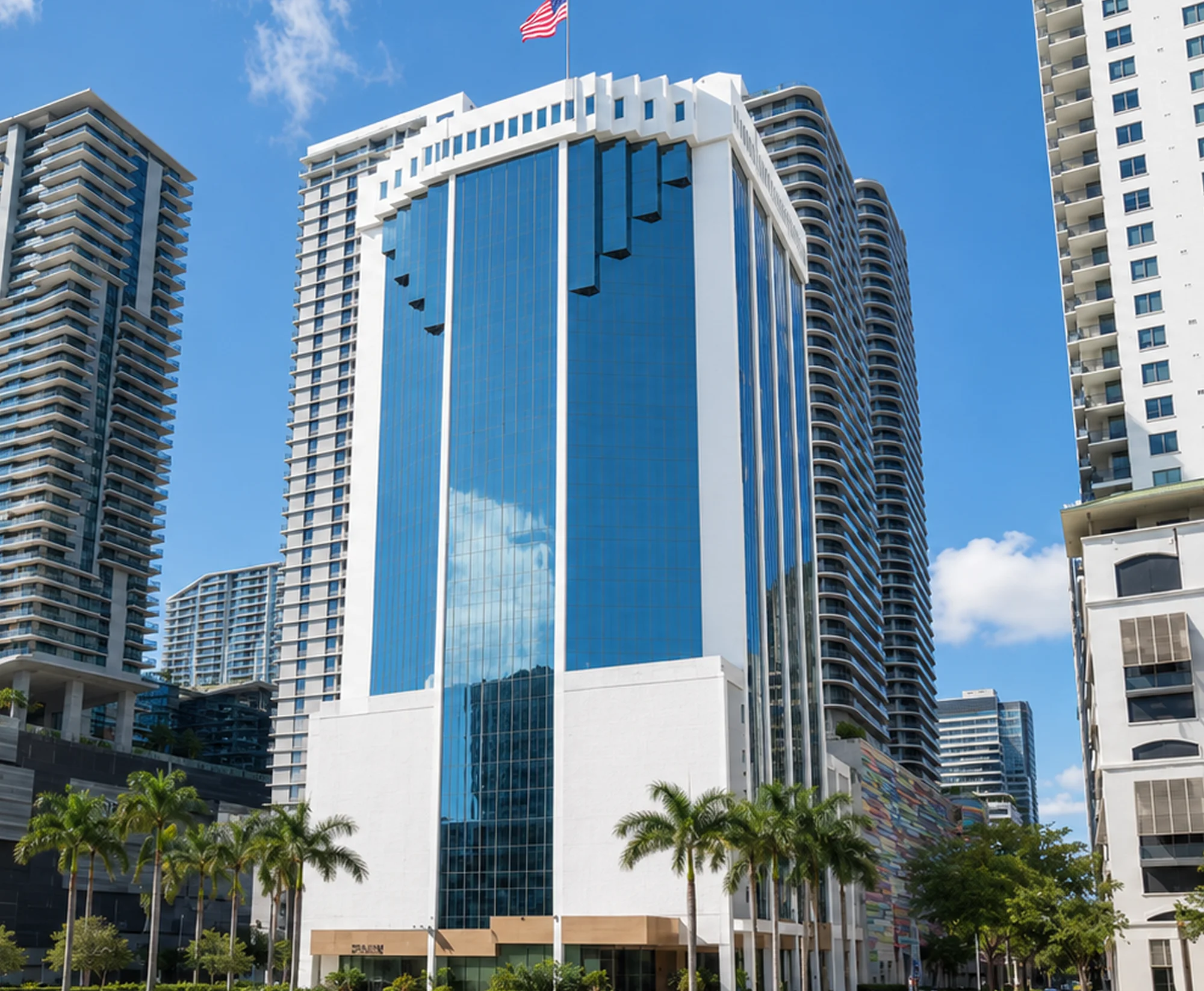
With headquarters in Toronto and Chicago, our collaborative reach extends across North America. Our diverse team of designers, developers, and strategists are located across Canada and the US, enabling seamless communication with clients worldwide.


Our Record
Why Choose
Brand Vision






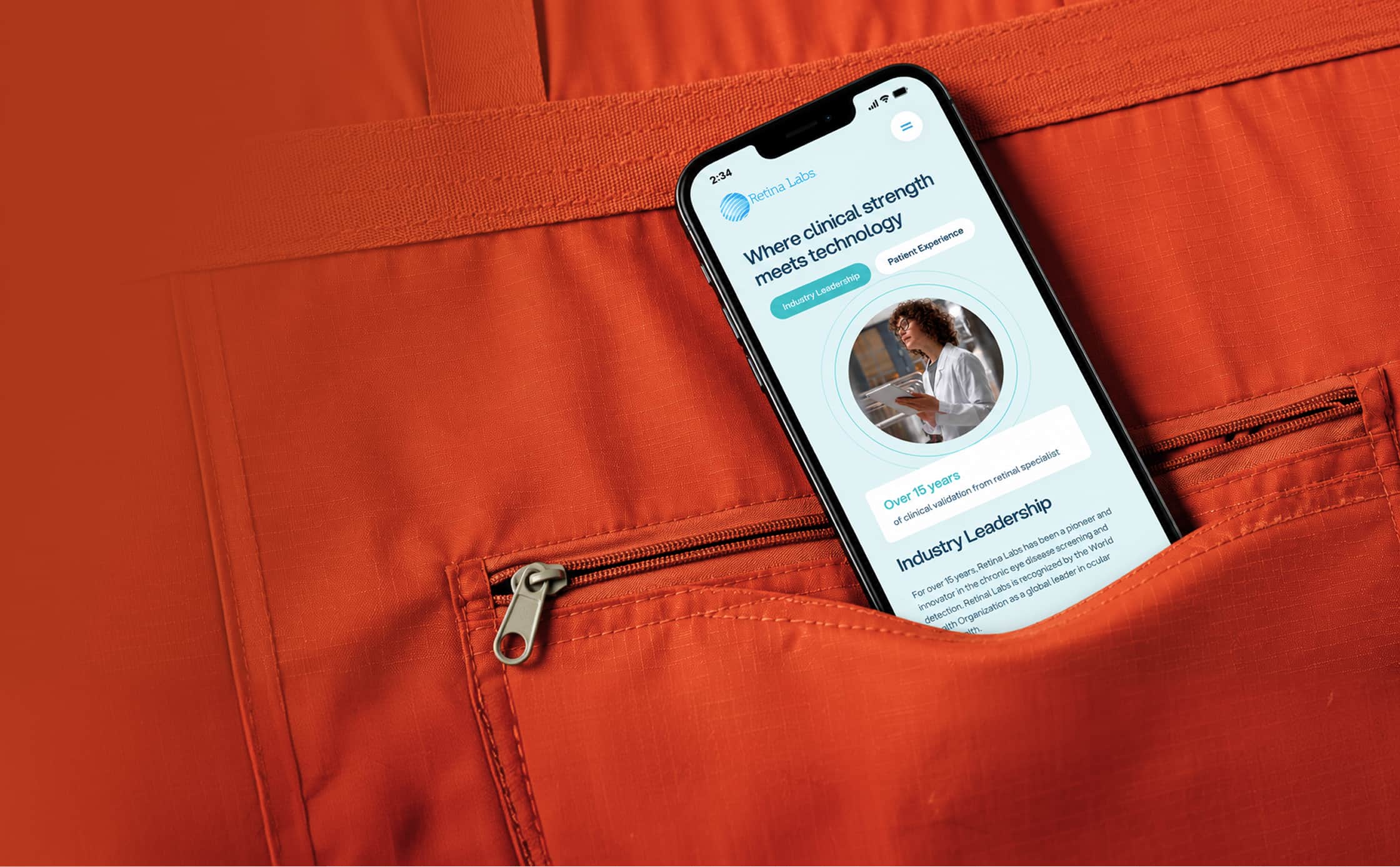
Flipp
We helped present Flipp’s value to partners, not consumers, through a credible, conversion-ready website that’s fast, accessible, and easy for internal teams to manage.
We mapped how retail merchandising teams, brand marketers, and media sellers evaluate Flipp, then rebuilt the information architecture around those workflows.
Dress for Success
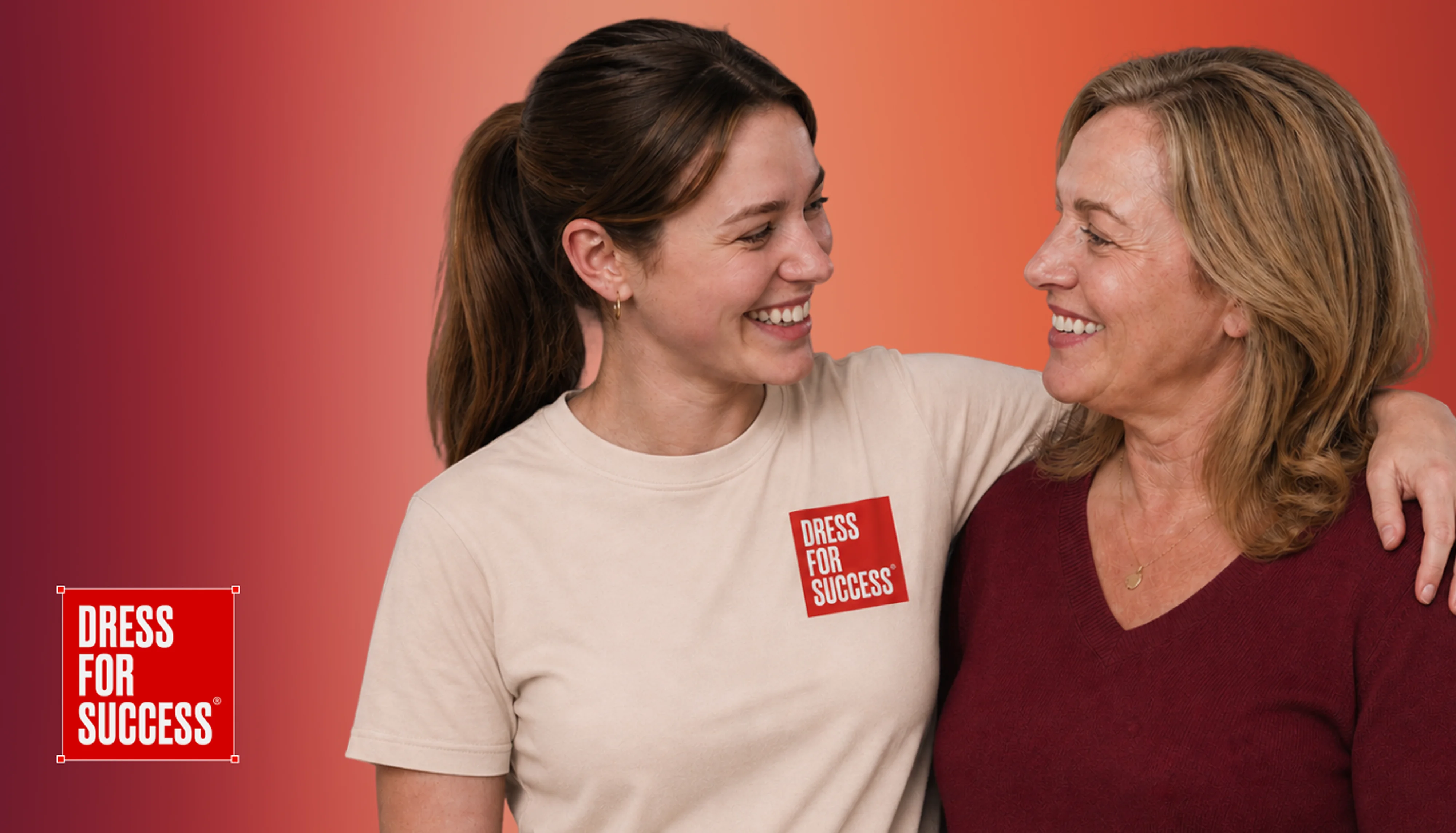
We partnered to modernize their web presence so clients, volunteers, and donors can quickly find programs, book services, and get involved, on any device.
We reframed navigation around the actions people take most. Access services, get styled, attend programs, volunteer, donate.


.webp)
Common Questions
Frequently Asked Questions
Still have questions? Contact us to discuss.
Who is Brand Vision?
Brand Vision is an award-winning branding agency, web design agency, and digital consultancy, building identities and the digital experiences that carry them. One senior in-house team covering strategy through to launch, working with companies from ambitious startups to established global names.
The work falls into five connected practices.
- Branding. Positioning, messaging, naming, and visual identity. The decisions about what a business stands for, before anything gets designed.
- Web design and development. Custom sites designed and built for the business they belong to, on Webflow, WordPress, Shopify, or a headless setup where the requirements call for it.
- UI/UX and product design. Research, interface design, and design systems for products where usability is the commercial problem.
- Search, SEO and GEO. Organic visibility in Google and in AI-generated answers, which have become separate disciplines with different inputs.
- Marketing and consultation. Strategy, paid media, content, and advisory work for companies who need direction before execution.
More than 500 projects have gone out the door, across roughly 150 brands, for clients in nearly every industry we can name. Some of that work is public and some of it is not, and the portfolio is the honest version of what we do rather than the flattering one.
What ties it together is that these are not separate departments quoting each other. A brand decision affects a site structure, a site structure affects search visibility, and search visibility affects what the brand can credibly claim. When those live in one team, the decisions hold. When they live in four vendors, somebody spends their week translating. The clearest example is a rebrand that changes URLs. Move a site onto new paths without a mapped redirect plan and you can lose most of the organic visibility the old brand spent years earning, which is a search problem created by a branding decision and repaired by neither discipline working alone.
The consultancy part of the description is deliberate. A meaningful share of engagements start with us telling a company that what they came in asking for is not what they need, which is a strange business model and the only one we have found that produces work worth showing.
How long have you been in business?
The studio has traded as Brand Vision since 2018. The senior team behind it has worked together for more than ten years, and the individual careers in the room run longer than fifteen. Those are three different numbers measuring three different things, so here is which one matters when.
The founding date tells you how long the company has existed. It is the least useful of the three, because a two-year-old agency with a team of veterans and a fifteen-year-old agency staffed entirely by juniors will produce very different work regardless of what the registration says.
The decade together is the number we would ask about if we were hiring an agency. Teams that have shipped hundreds of projects side by side stop needing to negotiate. A strategist and a designer who have argued the same argument forty times get to the answer faster, and an engineer who has built for that designer before knows which parts of a layout will fight the browser. That is where the phrase about work feeling considered instead of assembled comes from. It is a consequence of continuity, not a style choice.
The fifteen years of combined experience is the depth behind individual decisions. It is why nobody here is learning your category on your budget.
What all three add up to in practice is a low tolerance for repeating mistakes. Most of the ways a branding or web project goes wrong are known, boring, and avoidable. Scope that was never really agreed. A decision-maker who appears in week nine. Content that arrives after the design is locked. We plan around those because we have lost time to every one of them, and how the engagement is structured reflects that more than it reflects any methodology diagram. The same goes for an approval chain nobody costed, which in a committee-heavy organization adds two to three weeks that were never in the plan, and for a launch date set by a conference instead of by the work, which turns every decision after it into a compromise.
Who will actually be doing our work?
The senior people you meet in the first conversation. Nothing gets passed down to junior staff after the contract is signed, and nothing gets outsourced. This is the single most common bait and switch in the agency business, so it is worth being specific about rather than promising in the abstract.
How it usually goes wrong elsewhere. Senior people run the pitch, then the account moves to a project manager and the production goes to whoever is available or to a contractor in another timezone. The client discovers this around week three, when the answers stop being sharp and every question needs to be relayed to somebody who was not in the room.
What happens here instead. The strategist, designer, and developer on your project are the people who scoped it, and they stay on it until launch. You talk to them directly instead of through an intermediary who translates. Reviews happen with the person who made the decision present, so a question gets answered in the meeting instead of becoming an action item. A project team is typically three to five people, which is small enough that everybody has read the same research and nobody is briefing anybody second-hand.
The trade-off is real and worth naming. A senior-only team is a consequence of how we hire, it costs more per hour than a pyramid with juniors underneath, and it means we cannot take unlimited work at once. We would rather turn a project down than staff it thinly, and occasionally that means a start date a few weeks out.
There is also an accountability effect that matters more than it sounds. When the person who promised something is the person building it, the promise stays realistic. Handoffs are where commitments quietly become somebody else's problem.
If you want to check this before committing, ask on the first call who specifically will be on the project and what else they are working on that month. Any agency can answer the first question. The second one is harder to answer honestly, and we will.
How big is the team, and do you outsource?
More than fifteen people, all senior, all in-house, and the team is growing. Small enough that everyone knows what everyone else is working on, large enough to run branding, design, engineering, and search at the same time without any of them waiting.
The disciplines in the room are strategy and brand, visual design, UI and UX, front-end and back-end engineering, content and copy, and search. That range is the reason a project does not need three vendors coordinated by you, and it is also why we are honest about the edges of it.
What we do bring in occasionally, and why it is not the same as outsourcing. Specialist photography and video production, illustration in a specific style, voice talent, and legal or trademark counsel where a naming project needs clearance. Those are commissioned specialists working under our direction on a defined piece, and you are told about it. What never happens is core design or engineering work leaving the team.
On growth, the team has expanded steadily and we hire slowly on purpose. Adding a senior person who fits takes months longer than adding an available one, and the alternative is diluting the exact thing clients are paying for. If you are interested in the other side of that, we do hire.
The honest case for a much larger agency, since there is one. A hundred-person shop can absorb a sudden scope increase, cover a discipline we would have to commission, and survive somebody going on leave mid-project without a client feeling it. We handle the last of those with shared ownership and written decisions on every project, and we do not pretend to the first two.
The practical consequence for a client is capacity. A fifteen-person senior team can hold a serious branding project, a full site build, and an ongoing search program simultaneously, and it cannot hold twelve of them. When we are full, we say so and give you a real date instead of taking a deposit and starting late. That conversation happens before the proposal, and you can see the range of work it applies to.
What makes you different from other agencies?
Four things, and each one has a cost attached, which is the part that makes them real. Any agency can claim a principle. The useful question is what the principle forces them to give up.
Clarity, which means we remove more than we add. The instinct in this business is to fill space, because more looks like more value. We reduce until only what matters is left, and that is a harder sell in a presentation because a simpler answer looks like less work. It usually took more.
Outcomes over aesthetics, which means design answers to a commercial objective. Every element has to earn its place against a business goal and a real user need, or it goes. The cost is that we will argue against something you like if it is not doing a job, and occasionally we lose that argument. We would rather have it than quietly build something we do not believe in.
Precision, which is where premium actually lives. Typography, grid, motion, microcopy, accessibility and performance. Nobody notices these individually and everybody feels them together. The cost is time in places a client cannot see, which requires trust we have to earn early.
Direct access, which is covered above and worth repeating here. Fewer handoffs and sharper decisions, at the price of not being able to scale to unlimited volume.
The honest limit, since a differentiation answer without one is marketing. We are not the cheapest option and we are not the fastest. If you need a site live in three weeks for the lowest possible number, there are people who will do that and we are not pretending otherwise. What we are good at is work that has to hold up for years and represent a business properly, which you can judge for yourself in the case studies below instead of taking any of this on faith. If a smaller scope is the right answer, a consultation will tell you that faster than a proposal will.
Are we too small or too big to work with you?
Probably neither, and the honest answer depends on the ambition of the project more than the size of the company. We have built brands for two-person startups and run programs for global names, and the thing that determines fit is not revenue.
Where it works well. You have a decision-maker who can actually decide. The project matters enough to the business that it will get attention instead of being fitted around everything else. And you want an opinion, not a supplier who executes a brief without questioning it. Company size barely features in that list.
Where a startup fits. Early-stage companies are some of the most satisfying work here, because decisions are still available and nothing has calcified. What matters is that the budget matches the ambition. A full identity and site build has a floor, and if you are below it the right move is a smaller scope done properly instead of everything done thinly. We will tell you which one you are looking at, and startup work is a category we know well enough to scope realistically.
Where a large organization fits. Enterprise work needs a route through approvals, and we scope that at the start instead of discovering it in month three. What we need is someone senior enough to unblock decisions, because a fifteen-person committee with no chair will outlast any timeline.
Where we are the wrong choice. If you need the lowest price in the market. If you want execution with no strategic input, which is a legitimate need and a waste of what we do. If the decision-maker will not be in the room. Or if you are looking for a large team of bodies to throw at volume, since a senior in-house group is the opposite shape.
The fastest way to find out is to describe the situation and let us tell you. We turn down work that is not a fit, and saying so early costs everyone less than discovering it after a contract is signed.
Where are you based?
Four offices, with headquarters in Toronto and Chicago, plus San Francisco and Miami. The team of designers, developers, and strategists sits across Canada and the United States, which is what keeps communication close no matter where a client is.
- Toronto, at 60 Bloor St W, Suite 401. Where the practice started and where the largest part of the team still sits.
- Chicago, at 30 N Michigan Ave, Suite 504, on Michigan Avenue beside the park. If you are downtown near Cloud Gate you are a couple of minutes from our door, and you are welcome to come up.
- San Francisco, at 71 Stevenson St, Suite 400, in SoMa.
- Miami, at 80 SW 8th Street, Suite 2000, in Brickell.
On working remotely, most of our engagements run that way and always have, including with clients we have never met in person. The working sessions happen on video, the files and boards are shared, and progress is visible continuously instead of arriving in a monthly reveal.
That said, we like in-person more than most agencies do, and it is not a formality. A workshop where everybody is in the same room resolves in two hours what email takes three weeks to circle. So we travel for kickoffs, workshops, and presentations when a project warrants it, including to cities where we have no office. Clients across Canada and across the US are used to that arrangement.
Working either side of the border also means both rulebooks are already in the room. Accessibility is the clearest case, since Ontario's AODA is written against WCAG 2.0 AA while the ADA Title II rule from the Department of Justice sets WCAG 2.1 AA for public entities, with compliance dates that arrived in April 2026 for the largest and April 2027 for smaller ones. We build to the higher of the two and skip the argument.
Time zones matter more than distance. Between the four offices we cover Eastern to Pacific, which means a client in Vancouver and a client in Miami both get responses inside their own working day instead of waiting for one overnight. It sounds minor and it is the difference between a project that moves weekly and one that moves fortnightly.
What awards and recognition do you have?
Four Site of the Day wins at Awwwards, a Webby Award, RGD and CGD certification, a Clutch Local Excellence Award, and a 5.0 rating from more than 64 verified client interviews. Named counts, because "award-winning" is a phrase every agency uses and almost nobody itemizes.
What each one actually signals, since they are not equivalent.
Awwwards Site of the Day is peer-judged on craft by an international jury of designers and developers. It measures execution quality, particularly in interaction and detail, and it is the recognition that most closely tracks the precision work a client cannot see.
The Webby is judged on the whole picture, including strategy, content, and whether the thing achieves what it set out to. Harder to win on visual polish alone.
RGD and CGD certification are Canadian professional accreditations for registered graphic designers. They are not project awards. They are a standard the practitioners are held to, which is a different and quieter kind of assurance.
Clutch and the Local Excellence Award come from verified client interviews and not a jury, which makes them the most useful of the group if you are trying to work out what a client experience is like. The reviews are long-form and independently collected, and we do not choose who gets asked.
An A plus at the Better Business Bureau, which is not a design credential at all. It records complaint history and how a company responds when a client is unhappy, and it belongs on this list because it is the one item on it that measures conduct instead of craft.
Press coverage across blogTO, AP, Business Insider, Yahoo Finance, and Morningstar, plus mentions on lists of top creative agencies.
Here is the part that matters more than the shelf. Awards measure the work at the moment it launched, judged by people who are not your customers. They are a reasonable proxy for standards and a poor proxy for whether a business grew. So use them to decide whether we are worth a conversation, then look at the work itself and ask what happened to those companies afterward. That second question is the one worth asking any agency, including this one.
Which industries have you worked with?
Nearly every industry we can name, across more than 500 projects and roughly 150 brands, from two-person startups to companies you already know. The range is the point and not a boast, and here is why it is useful to you.
Named examples on this page include Flipp, a retail technology platform used by millions, and Dress for Success, a not-for-profit operating internationally. Those two are deliberately far apart. One is a product with a commercial growth problem, the other is a mission-driven organization whose brand has to work across chapters in different countries with very different resources. Same team, different standards of success.
Across the practice, the concentrations sit in real estate and development, technology and SaaS, professional services and B2B, health and wellness, hospitality and food, education and institutions, legal, entertainment, and the not-for-profit sector. The industry pages go into what changes in each one.
Why breadth helps rather than dilutes. Most of what determines whether a brand works is how people evaluate an expensive decision, and that behaviour repeats across categories. A team that has watched it in forty markets recognizes the pattern faster than one that has only seen it in yours. The things that genuinely do not transfer, meaning sales cycles, regulatory limits, seasonality, and the vocabulary buyers use, get established through research at the start. Regulatory limits are the sharpest of those. In health and wellness a testimonial describing a treatment outcome is restricted in ways it is not in retail, so the proof section of a site has to be built a different way from the first wireframe instead of edited into compliance afterward.
There is a second argument for the outside view. An agency embedded in one category for a decade inherits its conventions, including the expensive ones nobody questions. Some of the best work we have done came from bringing an approach that was ordinary in one industry into another where it was not.
The reasonable thing to ask is not whether we have done your industry. It is what we would need to learn about it, and how quickly. That answer takes about ten minutes on a call.
How do we start, and what do you need?
Describe the situation and you will get a straight read on what it needs, including when the answer is smaller than what you asked for. No form-filling gauntlet and no discovery call that turns out to be a sales script.
How the first stretch goes. A conversation about what you are trying to achieve and what is currently in the way, which is usually thirty to forty-five minutes and is genuinely diagnostic. Then a written proposal shaped to your goals, timeline, and budget, with scope, phases, and cost defined instead of implied. If the honest recommendation is a consultation or audit before anything larger, that is what you get proposed, and it is priced as its own finite piece of work.
Once a project starts, it runs in clear phases of discovery, strategy, design, and engineering, with regular working sessions and decisive reviews. You stay close to the thinking as it develops instead of waiting for a reveal at the end, which is deliberate. Surprises at the end are a symptom of a process, not bad luck.
What we need from you is short, and it sets the pace more than anything we do.
One named decision-maker with authority to approve. Committees without a chair are the single most reliable cause of a delayed project.
Honesty about the constraint. The real budget, the real deadline, and the internal politics we should know about. We can design around a constraint we know about and not around one we discover in week nine.
Content and access early. Copy, assets, logins, and analytics. Waiting on content after design is locked is the most common way a timeline slips.
Consolidated feedback, on time. Reviews gathered into one response beat five people commenting separately over two weeks.
Standards are non-negotiable on our side, so accessibility, performance, privacy, and maintainability are treated as requirements from day one and not as extras to be traded away when a deadline tightens. That is the part that determines whether the work is still good in three years.
When you are ready, get in touch and tell us what you are working with.