





Branding
B2B Branding Strategy: Positioning, Proof and Buying-Committee Trust
Sep 6, 2026
/ By Hamoun Ani
A real estate marketing agency with ten years in the industry and offices in Toronto and Chicago.
Brand Vision brings over ten years of real estate marketing experience to clients across North America. As a full-service real estate marketing agency, we handle the branding, websites, search visibility, and campaigns that help firms and professionals in this industry establish, grow, and promote their business.
Brand Vision began in real estate. We sharpened the craft inside the competitive launch cycles that developers, brokerages, and property groups run on, and that work became the foundation the whole agency was built on. A decade later, it shows up as a proven, repeatable process that produces real results for the firms and developers we work with.

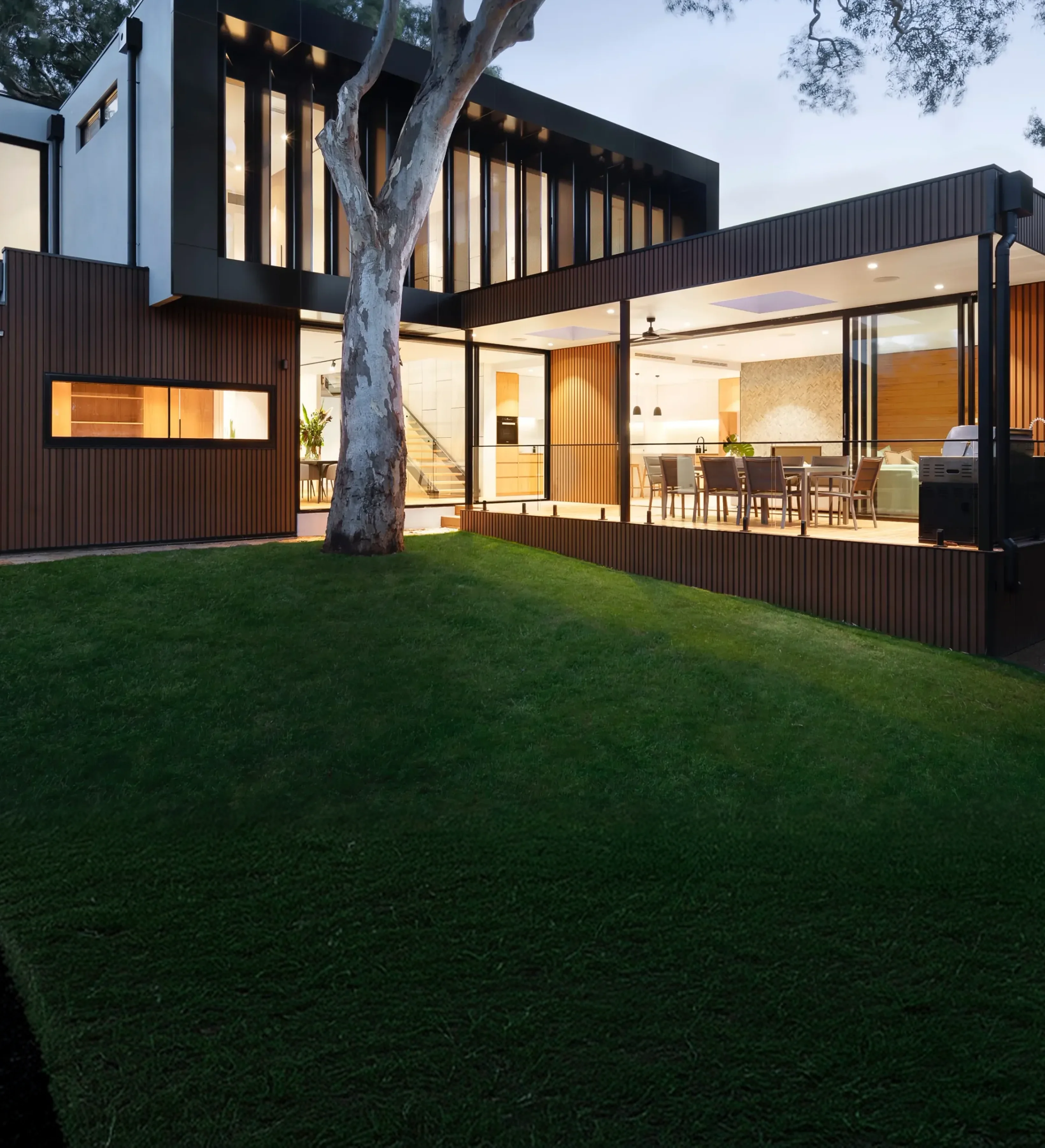
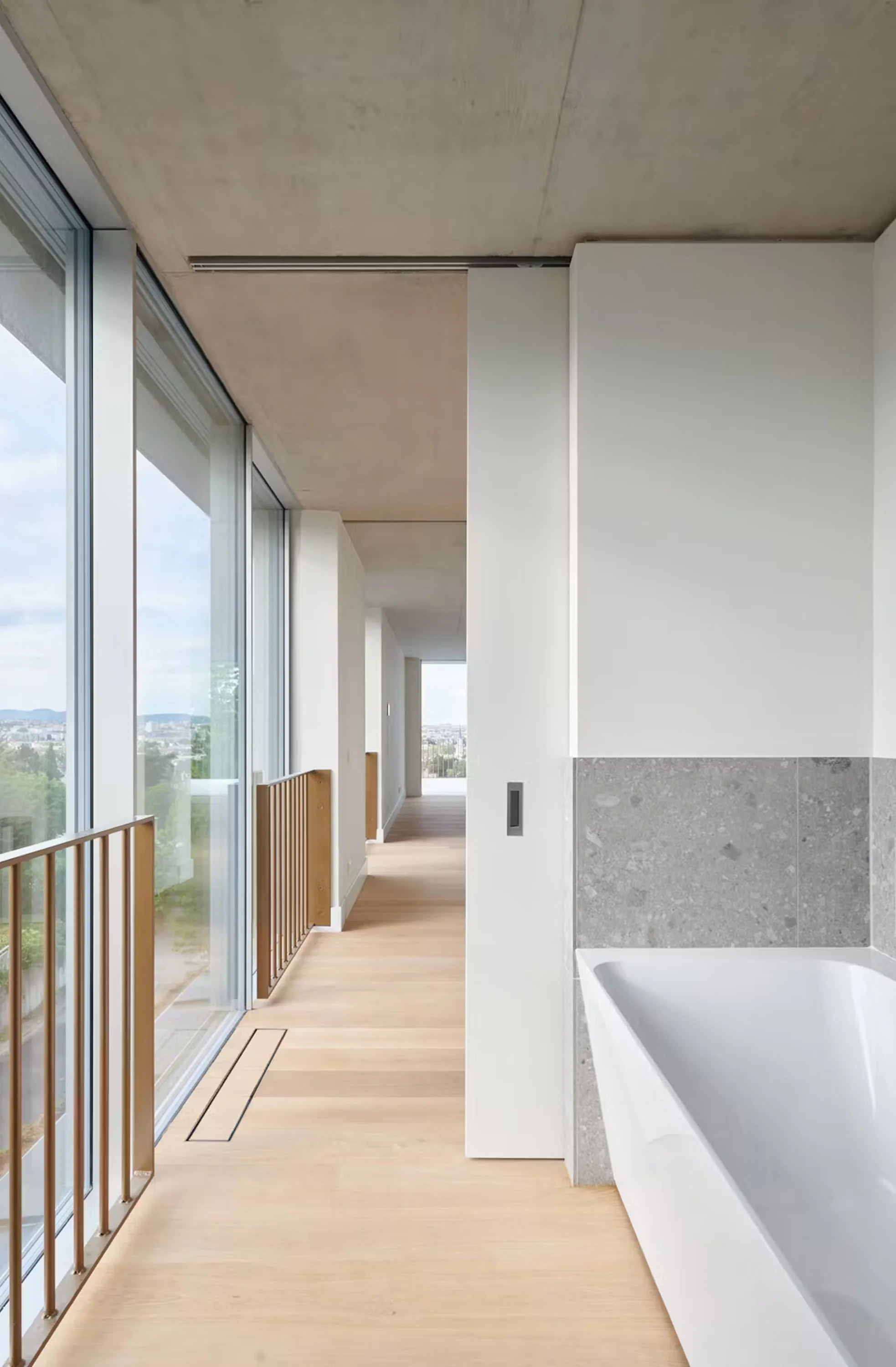






Building real partnerships with top global brands. Delivering results that last well beyond the launch.













Branding, websites, search, and campaigns for the firms, agents, and developers that compete in real estate.
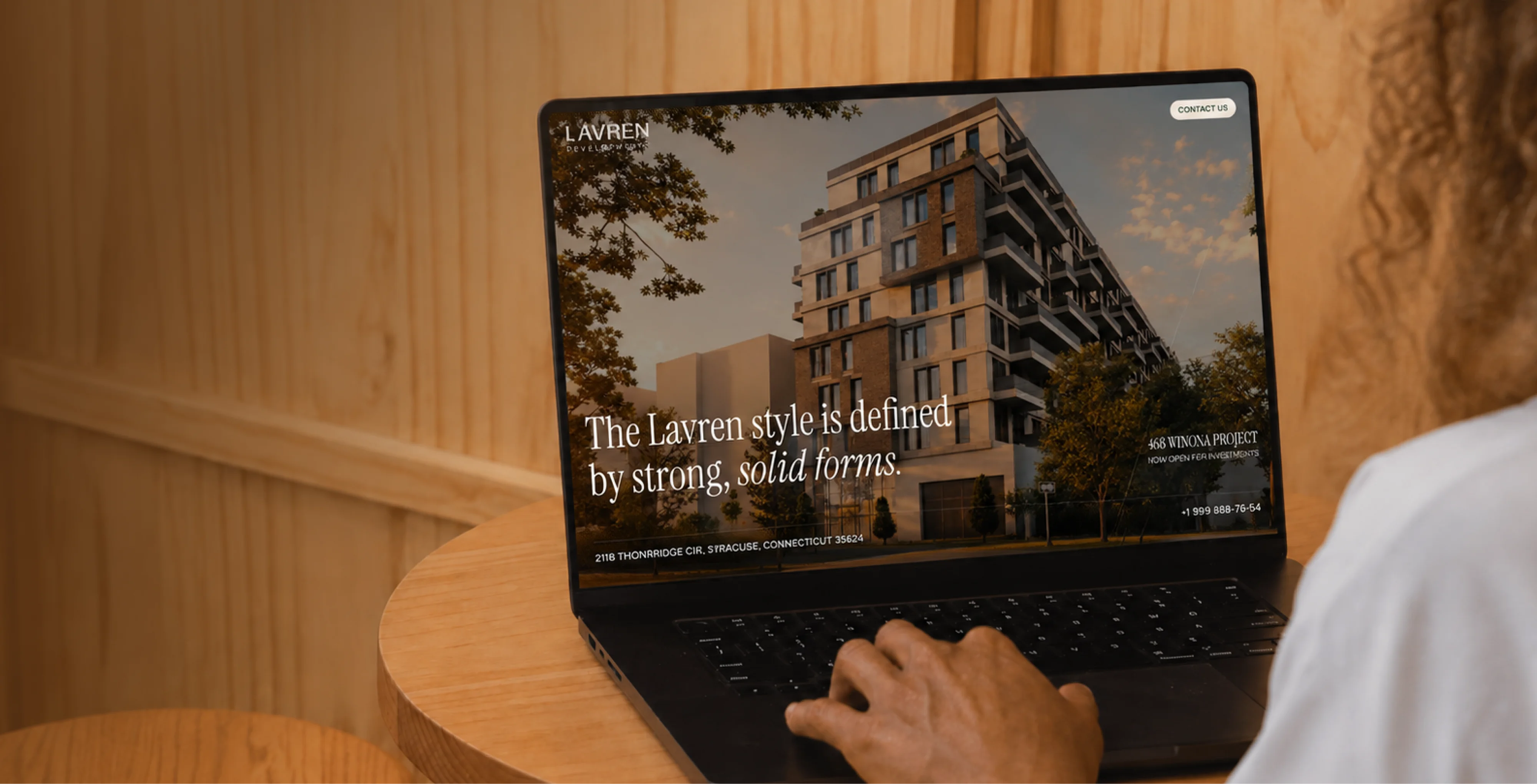
Our real estate web design covers the full build. We plan the structure, design every page, and develop the site on Webflow, WordPress, or a custom platform. Listings, floor plans, and project pages load fast on any phone. Lead capture sits where buyers expect it. Your team updates content without a developer. Brand Vision has built these sites for a decade, and it shows in the inquiries they produce for a real estate marketing agency client.

Brand Vision delivers complete real estate branding. Logo design, visual identity, palette and typography, and the collateral your business runs on, including business cards, listing presentations, brochures, signage, and social templates. Every project starts with research and positioning so the design has direction behind it. You receive the full file set and brand guidelines your team can follow. It is the depth of branding a real estate marketing agency should provide.

Our real estate SEO covers the complete program. Technical fixes first, then local pages, Google Business optimization, review growth, and content that answers what your market asks. Our team holds deep expertise in GEO, so you appear when someone asks an AI who to call. Brand Vision ranks in Toronto and Chicago ourselves, proof most agencies cannot show. Expect the same standard from us as your real estate marketing agency.

Brand Vision runs real estate marketing and advertising across paid, content, email, and social media. We build campaigns inside housing ad rules, target the exact buyers, sellers, or owners you need, and report everything as cost per lead. Campaigns fill interest lists, promote listings, and keep projects moving between milestones. You see what every dollar bought, which is the accountability a real estate marketing agency owes its clients.
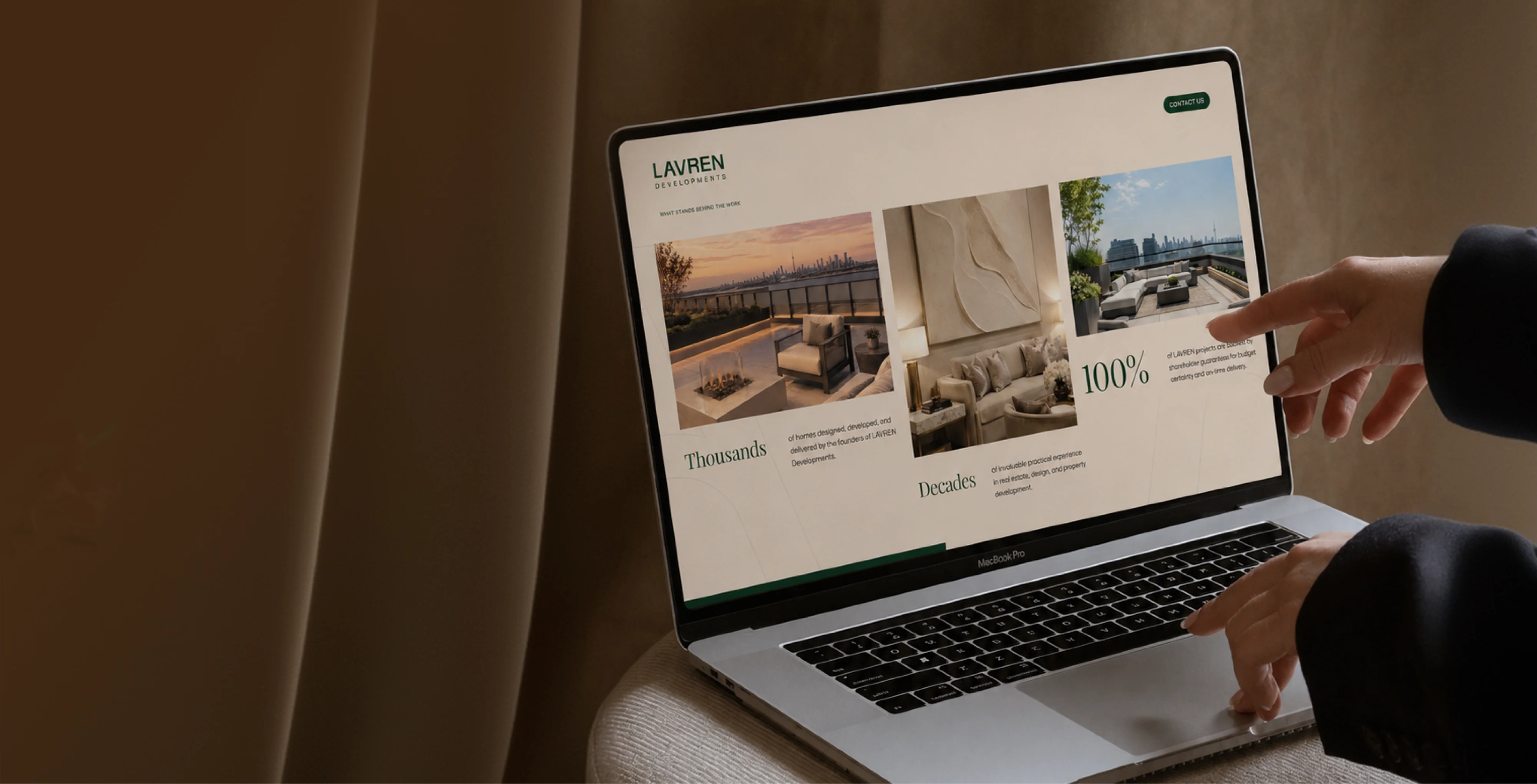
Brand Vision handles pre-construction marketing from naming through opening weekend. Project branding, the registration website, rendering and floor plan presentation, brochures and sales collateral, and the paid campaigns that build your interest list before sales open. We track registrations through to booked appointments and report them weekly. Developers across North America rely on us for launches, which is the work a real estate marketing agency should be measured on.

Real estate is won locally, and most agencies can't show they can do it themselves. We rank in our own markets, get you found where buyers and sellers search, and report every dollar as cost per lead.
Buyers and sellers search locally, and increasingly ask an AI who to call. We make sure your firm is the one they find, on Google and in the answer.
Brand Vision ranks in Toronto and Chicago ourselves, the proof most agencies can't show. We hold your work to the same standard.
From cost per lead to registrations tracked through to booked appointments, you always see exactly what the marketing bought.
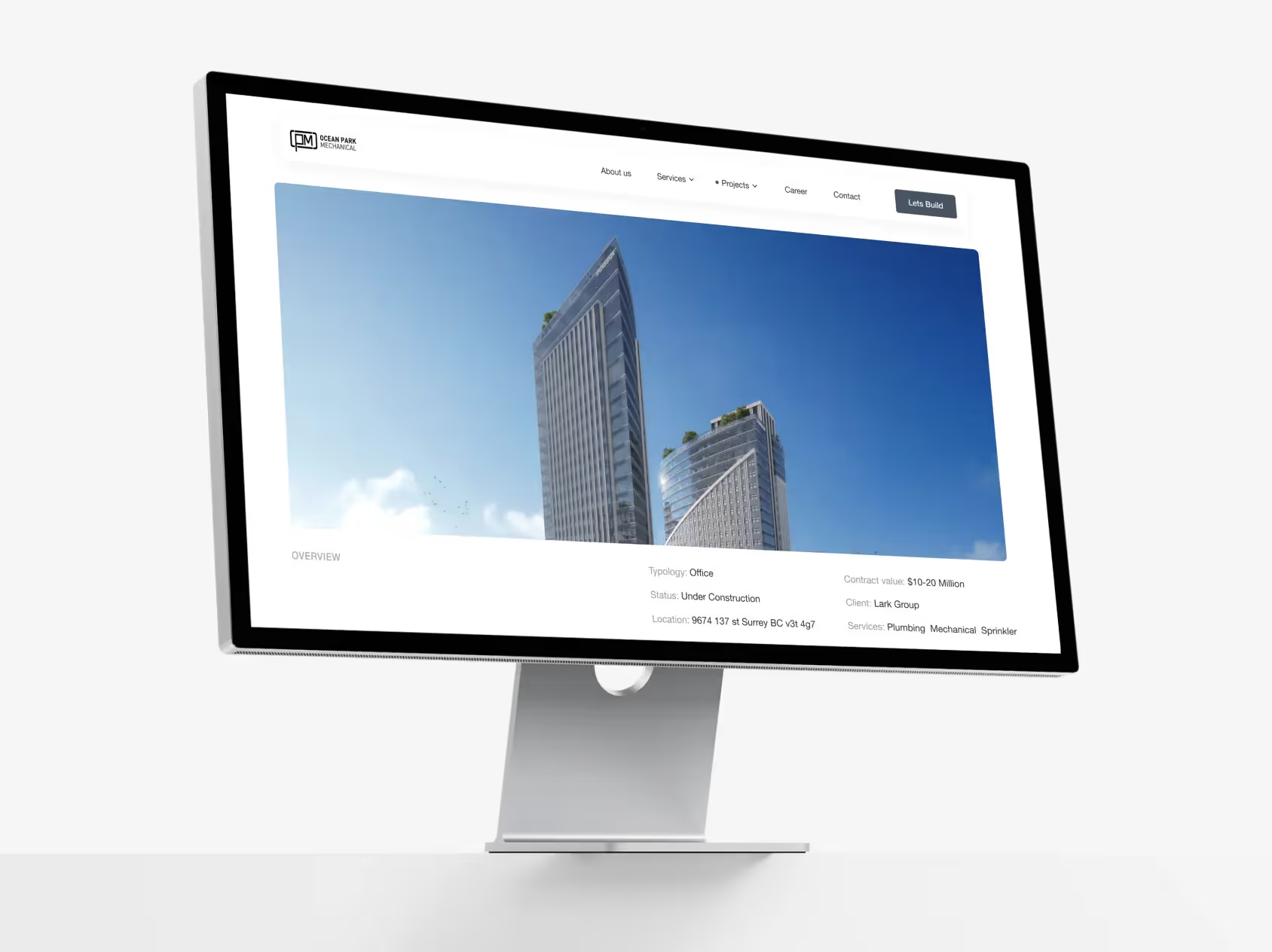
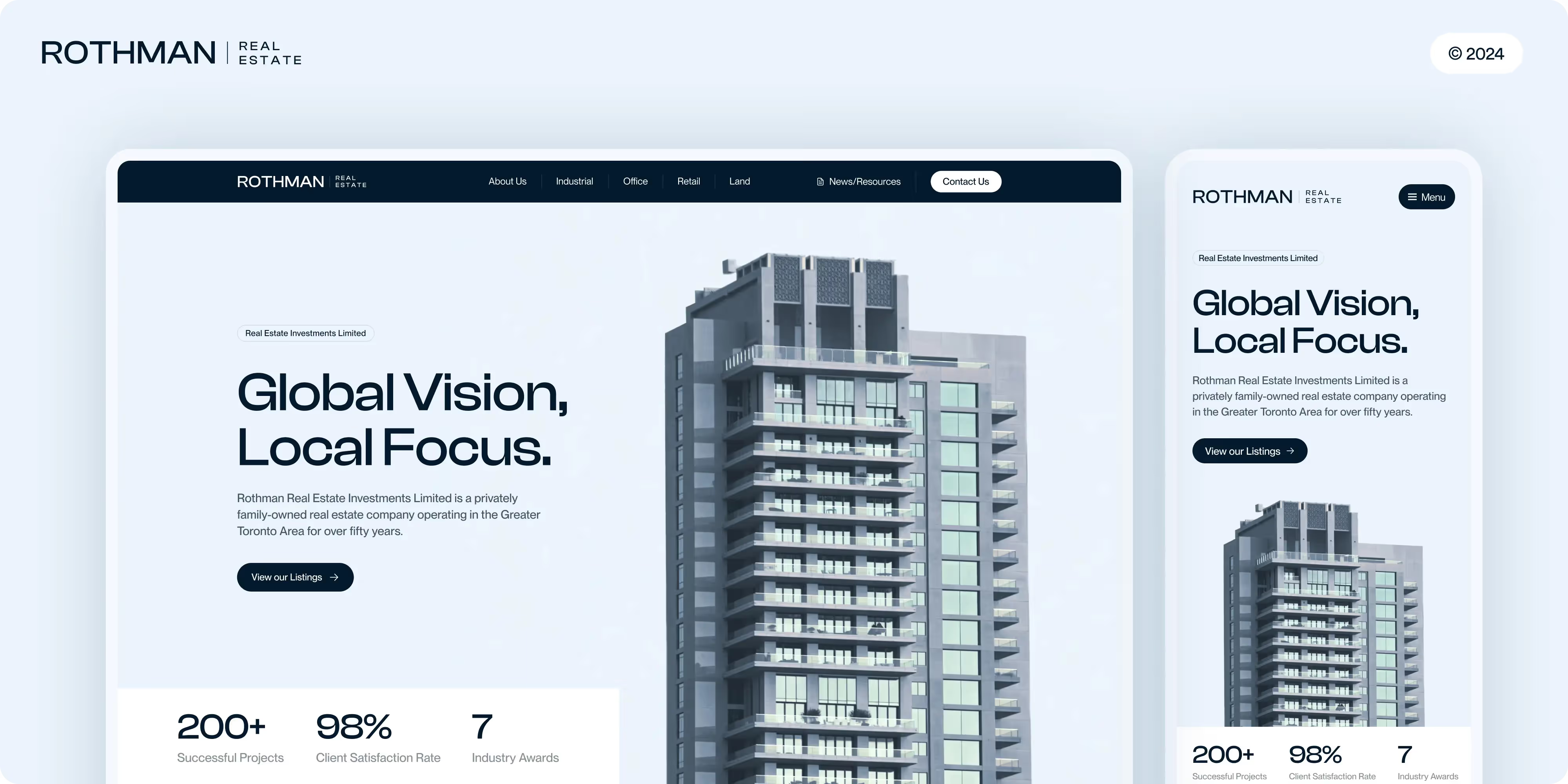
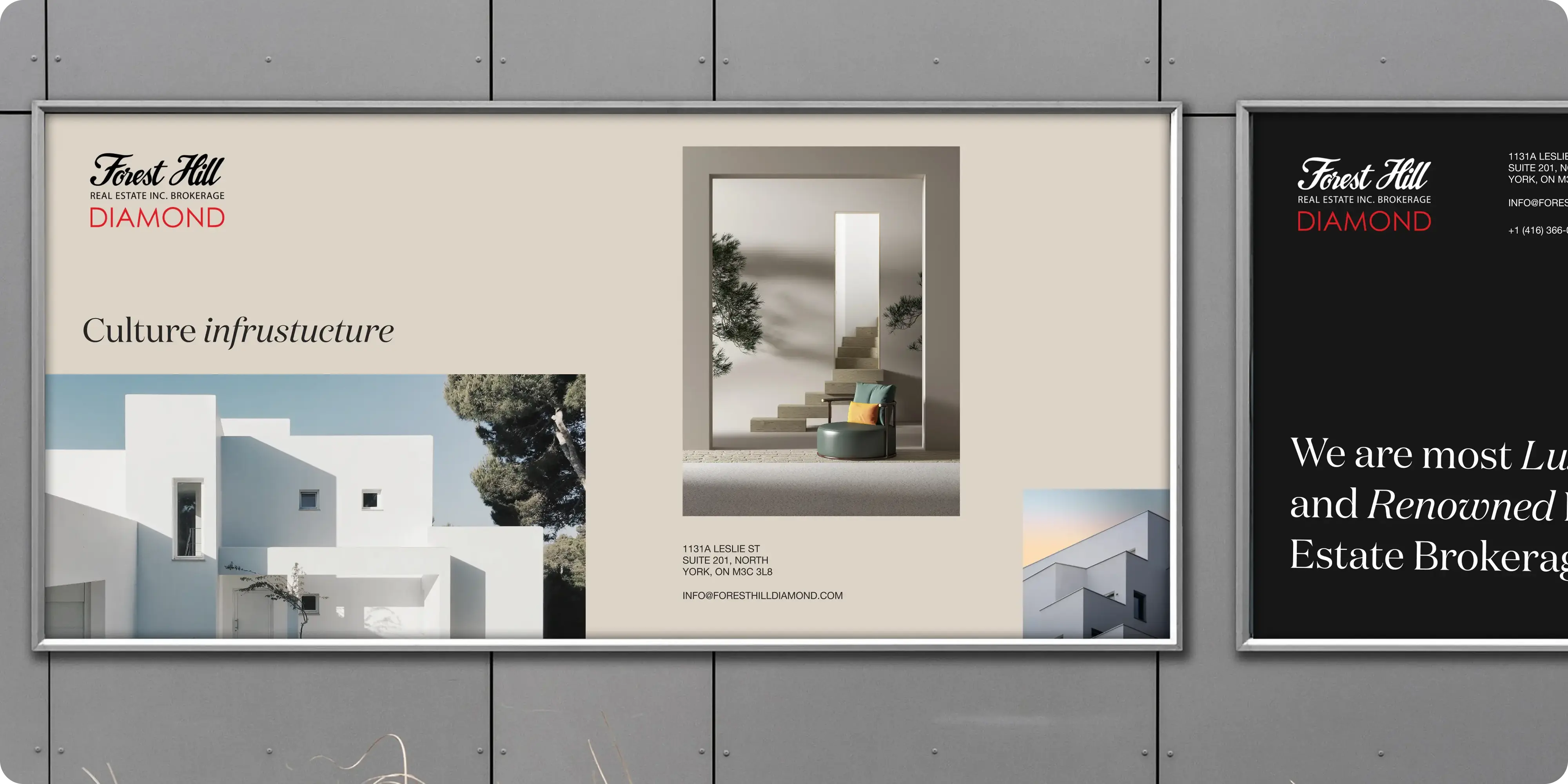
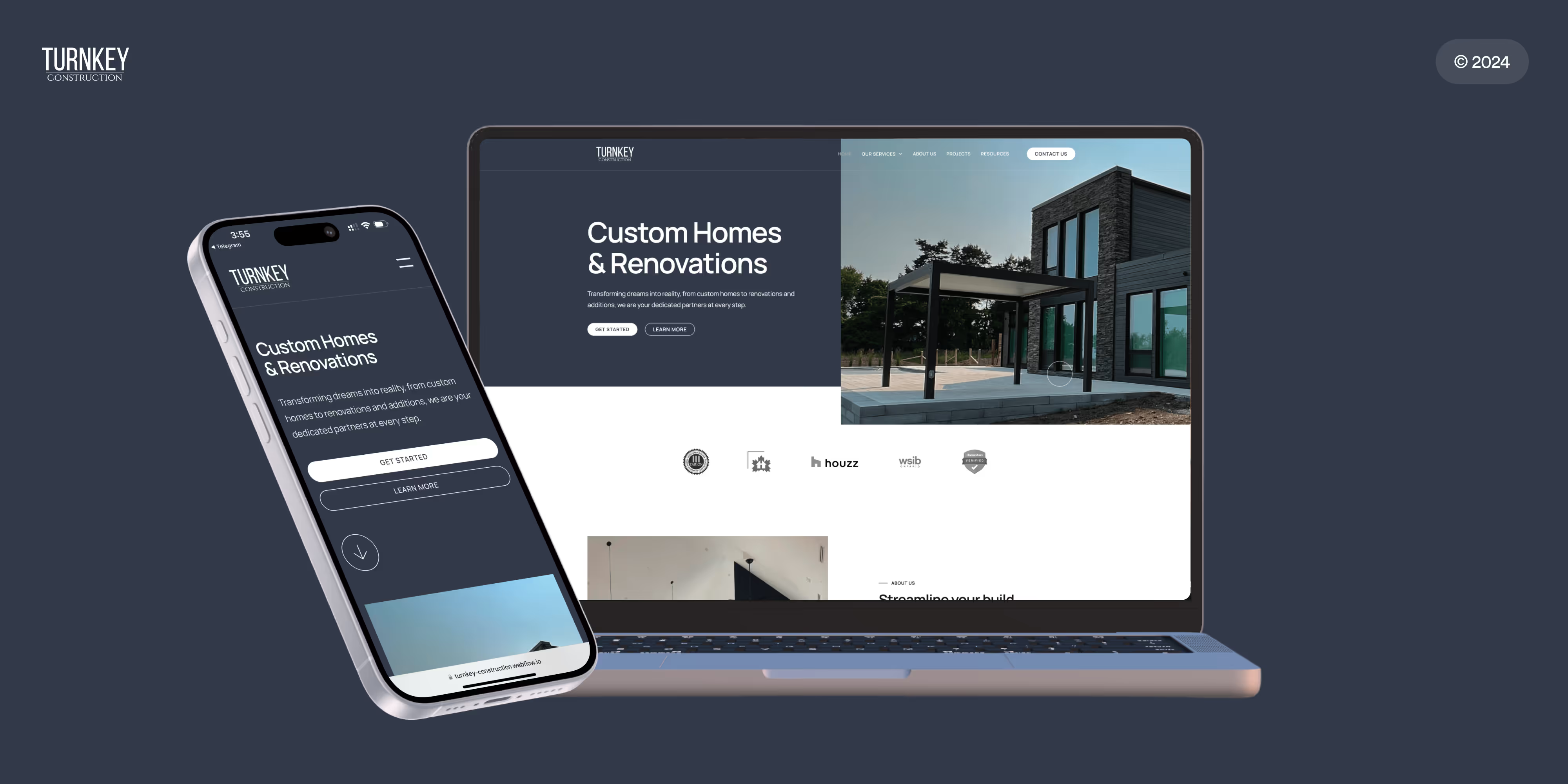
Selected work from our real estate marketing agency portfolio.











Still have questions? Contact us to discuss.
A real estate marketing agency has to sell property that does not physically exist yet, to three groups who want different things, against a date somebody else set. Those conditions are what make this a separate discipline instead of a differently labelled one, and an agency without direct experience of them tends to deliver something handsome that stops working in week two of sales.
What the work covers.
Why developers and brokerages hire us for it. One senior team holds strategy, design, engineering, content and search together, so a naming decision, a floor plan gate and a paid budget get set by people in the same conversation, and nothing gets handed down to junior staff once the contract is signed. You can see who would actually be on the file before committing to anything.
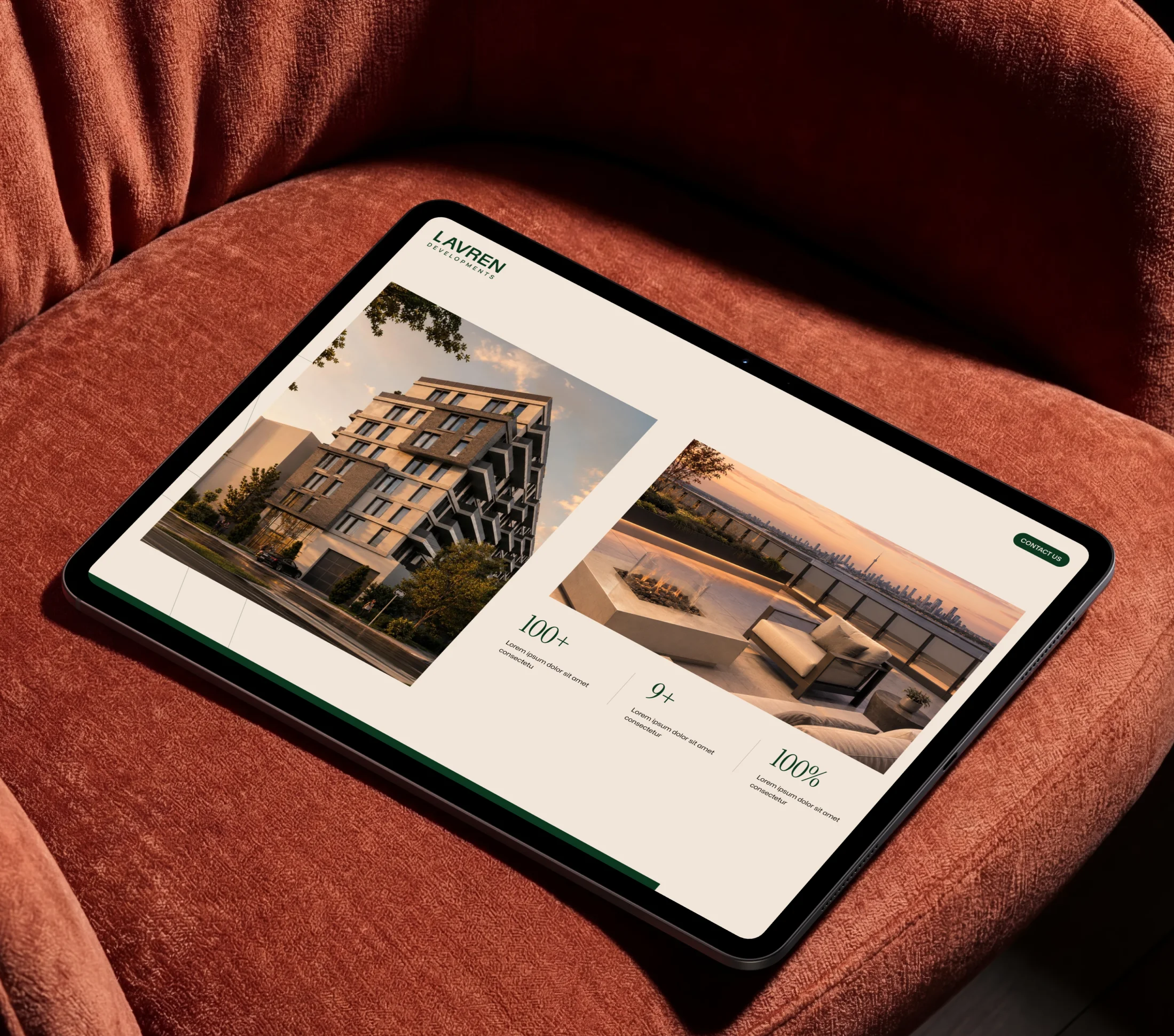
Development is also the deepest category in the practice. Project brands, launch programs and sales platforms have been built here for 95 Developments, Pinnacle Developments and Lavren Developments, plus standalone project identities such as 2992 Sheppard. The studio has been running since 2018, the founding team brought over fifteen years of practice into it, and more than 500 projects have shipped since. The work is public instead of described.
The independent record is checkable without taking our word for any of it. Clutch shows 5.0 from more than 64 verified client interviews, over 250 five-star reviews sit across Clutch and Google, the design work has taken four Awwwards and a Webby, the studio holds RGD and CGD certification, and the Better Business Bureau rates the firm A plus.
The uncomfortable part of the model is that a fair number of engagements open with us telling a developer that the thing they asked to buy is not the thing that will sell the building.
Six real estate marketing services, selected against the release schedule instead of sold as a package. On a development file most of them get bought together, because a launch needs the brand, the site, the print and the media plan finished on the same morning.
Project and corporate branding. Research, positioning, naming, identity and guidelines, for the project and for the developer underneath it. Documented well enough that the sales team, the visualization studio and the printer all produce the same thing without calling us. The full branding scope sets out how that gets built.
Websites, registration platforms and sales tools. A registration page live long before the rest of the site exists, then the full project site with floor plans, availability, neighbourhood content and a broker area behind a login. Built so the sales team can change a price list or release a floor without a developer. The craft side sits inside website design and the harder integrations sit with our engineering team.
Sales centre and print. The book, the floor plate sheets, the feature and finish list, the presentation boards, the signage and the hoarding. Property is one of the last categories where print still decides outcomes, because a buyer takes the book home and reads it twice before deciding anything.
Search and AI visibility. Project names, building addresses, neighbourhood terms and the queries buyers and tenants actually type, plus the same effort extended into AI assistants, where a growing share of early research now starts. All of it runs through our search practice.
Paid media and launch campaigns. Broker outreach, registration campaigns, a VIP phase and general release, with budget moved between them as the sales pace tells us where demand is.
Interface and usability work. Availability tools, suite configurators, broker portals and resident portals, designed from recorded behaviour instead of from an opinion about how people shop. Covered in interface and usability.
Which of the six a project needs is decided from the release schedule and the state of the asset library, and a proposal listing all six has dodged that decision instead of making it. On a second or third project the right first purchase is frequently much smaller than the one being asked about, and we say so when it is.
Four, and they are different businesses that happen to share a word. Treating them as one market is how a condominium playbook ends up pointed at an industrial park.
Construction firms, trades and suppliers sit alongside those as a fifth group, selling to developers instead of to occupiers.
Geography shapes this work more than it shapes most categories. Toronto and the surrounding region is where the deepest patterns sit, and our Canadian practice is built around that market. South Florida behaves differently, with a heavier international investor share, different deposit structures and a different sales rhythm, which is part of why the Miami office exists. A pre-construction campaign that works in one of those markets can be wrong in the other for reasons unconnected to design quality.
On whether sector experience matters, here is the honest version. What carries across is how people behave when a purchase is large, slow and hard to reverse, and where confidence leaks out of a long decision. What does not carry across is release strategy, who the regulator is, how brokers in that market actually operate, and the words buyers use for things. We settle those in a short research phase before anything gets designed, and skipping it is the expensive option. The wider industry list shows where else the practice reaches.
By accepting that the marketing is the product until occupancy, and building it to carry that weight. In most categories the material describes the thing being bought. Here the material is the only version of the thing that exists, and somebody signs a deposit cheque against it.
What carries the sale, in the order a buyer meets it.
On what the material can honestly claim, the sector gets careful and so do we. Renderings are interpretations. Finishes and specifications change between launch and occupancy. Suite areas are measured by conventions that vary between markets. Pricing and availability move weekly. Advertising rules for pre-construction sales are set provincially and by state, and they touch disclaimers, area statements, how a price may be described, and who has to be identified on a piece of marketing.
Our position on that is narrow and deliberate. We design the disclaimer layer as part of the piece instead of bolting it on at the end, we build to the standard your counsel gives us, and we do not offer the legal opinion ourselves.
Scope and the release date drive it, and the largest single variable is how much of the asset library already exists. A developer arriving with renderings, a survey and a settled name is buying a different project from one arriving with a site plan and a working title.
Typical durations, so the calendar is honest before the figure is.
What changes the figure most. Suite and floor plan count, since every plan gets drafted, labelled and templated. Whether the developer brand is in scope alongside the project brand. Photography and film, which developers underestimate consistently and which is always visible in the result. Language requirements, because a bilingual launch is produced twice and laid out for two text lengths. Sales centre scope, which runs from a few boards to a full environment. Integration depth into a CRM, a broker portal or an availability feed. And how many people hold a veto, which moves a timeline further than scope does.
The smaller version, which we recommend more often than the full one on a first project. A name, a registration page, a short print piece and a broker deck will get you into market and produce real evidence about who is interested. The site, the sales centre graphics and the deeper content then get built against that evidence instead of against assumptions. Where the honest recommendation is a roadmap and audit before any production begins, that is what gets proposed.
Where we say no. A project sixty days from launch with no renderings and no settled name needs a smaller and faster scope than a full brand program, and taking the larger fee would be doing you harm. Ask early and the answer arrives before a proposal does.
The date holds when every dependency is named in week one and the scope is phased so nothing critical is left waiting on somebody else's approval. A launch date in this business is tied to financing, deposit milestones and a sales pace the pro forma already assumes, which makes it the one fixed object in the schedule.
What we do differently because of that.
Planning runs backwards from release. Every deliverable gets a date it must exist by, and each one carries the name of whoever it waits on. Renderings from the visualization studio. The finish schedule from the interior designer. Suite areas from the architect. The price list from the developer. Most launch delays we have watched were caused by an asset nobody had assigned an owner to.
Phase one is a registration page, always. It goes up early, it collects names, and it means the launch is never a single all-or-nothing event. If the full site slips a week, the pipeline does not stop while it catches up.
A content freeze with a date attached. After the freeze, changes go onto a post-launch list instead of into the build. This is the least popular commitment we make and a large part of why projects ship.
A platform the sales team can operate. Price changes, released floors, sold-out plans and a new incentive should take minutes and no developer. Most project sites get built in Webflow for that reason, and where a project needs something the platform cannot hold, we say so before the build starts instead of during it.
The same people from start to finish. No handover to a junior team once the interesting part is over, which is a hiring decision more than a process one and part of how we staff the practice.
What we will not do to protect a date. Publish pricing, areas or availability that has not been approved. Ship a site that fails accessibility standards, because remediation later costs more and the obligation does not pause for a launch. Skip testing on the registration form, which is the one place a silent failure costs real deals.
The honest ceiling on all of it. We can defend a date against the things inside our control and most of the things inside yours. We cannot defend it against an approval that lands three weeks late alongside a request to keep the original scope. One of those two has to give, and choosing beats discovering.
Sometimes, and the deciding question is whether the developer's name is doing any selling. Project brands and corporate brands answer to different people, and collapsing the two is the most common structural mistake in development marketing.
The distinction in plain terms. A corporate brand is the developer's reputation. Its audience is lenders, municipalities, brokers, trades and the buyer who wants to know whether the building will be finished properly, and it has to last decades while staying fairly quiet. A project brand exists to sell one building. It is the loudest thing in its submarket for a year or two, and then it becomes a name on a door.
Three architectures, each right in different circumstances.
Standalone project brand. Its own name, identity and voice, with the developer credited in small type. Correct when the project has a distinct proposition, price point or audience from the developer's usual work. Most expensive to run, and strongest at making one building feel like somewhere specific.
Endorsed. The project leads and the developer signs it visibly. Correct when the developer's name genuinely reassures the market, which is a question for research and not for the founder's opinion. This is where most established developers should land and where fewer of them do.
Address or developer led. The building is its address, as with 2992 Sheppard, or it carries the developer's name outright. Correct for smaller infill projects, purpose-built rental, industrial, and anything where an invented name adds cost without adding demand.
When you should not buy a project brand at all. A single small project in a market that buys on location and price. A rental building where the operating brand matters more than the building name. And any project where the same money spent on renderings and a proper plan set would move more suites. We have talked developers out of naming exercises and the buildings sold anyway.
Naming is where this becomes legally real, since a project name has to survive trademark screening, domain availability, signage rules and in some markets language requirements. We screen and narrow, your counsel clears and files, and the method is set out in naming and taglines. The architecture decision belongs in positioning work, and whichever route you take, the identity rules have to define how a project mark and a corporate mark appear together before the first piece gets designed.
One shared set of verified facts, three arguments built on top of it, and a rule that the numbers agree everywhere. End buyers, brokers and investors read the same launch material for reasons that barely overlap, and copy written for the average of the three persuades none of them.
End buyers. Buying somewhere to live, deciding emotionally and justifying it rationally afterward. They want to understand the suite, the light, the storage, the commute, the school, the grocery store and what the building will feel like in February. Plans, finishes, neighbourhood detail and honest imagery do that work. Language about yield and appreciation makes them feel like they wandered into somebody else's transaction.
Brokers. Selling for you to people you will never meet, which makes them the highest-leverage audience in a launch. They want inventory clarity, commission structure, release timing, allocation, and something they can forward without editing it first. A broker who cannot answer a client's question in ninety seconds moves to a project where they can.
Investors. Assessing an asset. Rental comparables, price per square foot against the submarket, deposit structure, occupancy timing, assignment terms, and what the area looks like in five years. This is the audience most often served badly, because what persuades them reads closer to a financial document than a brochure.
How that gets built without producing three contradictory brands. Research comes first, since assuming what each group believes is how a launch ends up aimed at the wrong buyer. That means interviewing brokers who actually sell in the submarket and examining what the developer's last release attracted, which is market and audience research instead of a workshop. Where a previous project site or sales portal exists, what the usage data already shows tells you which of the three is turning up.
Then one spine of verified facts, meaning areas, plans, specifications, timing and pricing, held in a single place so every piece pulls from the same source. Then separate routes on top of it. A buyer path on the site, a broker area with the assets they need in the formats they use, and an investor summary that states the numbers plainly, each one designed as its own piece instead of the same deck with a new cover.
Consistency of fact is the discipline that matters most. Three audiences comparing notes will find a contradiction, and one wrong area figure costs more credibility than a weak headline ever does.
Registration is the whole pre-launch program, and projects that sell quickly are the ones that spent months collecting names before there was anything to sell. A launch with no list starts from zero on the day it can least afford to.
How it gets built, in order.
Underneath all of it, capture has to reach the CRM the sales team actually works in, with the source carried through to the appointment and the firm deal. Where that connection is missing, it gets built before any channel gets judged, and that is engineering work instead of a setting somebody forgot to switch on.
Make agents look established without taking up so much room that the agents disappear inside it. A brokerage brand has two customers, the agent it wants to recruit and the seller it wants to win, and the material has to serve both without pretending they want the same thing.
The recruiting job. Agents choose a brokerage on splits, leads, technology, training, and how the name lands when they say it out loud in a listing presentation. That last one is brand work and it is usually the only one an agency can influence. What helps is a position that is specific about who the brokerage is for, a recruiting story honest about the trade-offs, and material an agent can picture their own name sitting inside.
The listing job. A seller is choosing a person and then checking the company behind them. So the brand has to signal competence, reach and market knowledge quickly, then step back and let the agent be the reason.
The room agents need. This is where most brokerage rebrands quietly fail. Agents build personal followings, and a system that treats them as identical outputs of a template gets ignored inside a quarter. What works is a defined co-branding zone, meaning agreed ways an agent name, photograph, team mark and specialty can sit alongside the brokerage mark, with the limits written down. Templates for listings, open houses, market updates and social formats that a non-designer can fill in correctly. And a small library of the pieces top producers actually asked for, because they will produce their own material regardless and the only real question is whether it looks like it came from you.
Advertising rules constrain the design. Brokerage and agent advertising is regulated by whichever provincial or state body licenses the brokerage, and the requirements commonly touch how prominently the brokerage name must appear, how a team name may be used, what a personal designation can claim, and how sold and market statistics may be described. Those rules differ by jurisdiction and they change. We design templates so the required elements have a defined place instead of being squeezed in at the end, and the compliance read stays with your regulator and your counsel.
Visibility per office and per agent. Office profiles, listing pages and neighbourhood content, managed so offices in the same region are not bidding against each other for identical terms. That is the substance of visibility in a defined market.
Underneath it, the work starts with what the brokerage is actually for, and the flexibility gets designed into a documented identity before a single template is produced.
Different enough that a team who only sells condominiums will get it wrong, and property management is a third problem again. All three sit under real estate and they share almost no mechanics.
Residential sale. Many possible buyers, decisions that are short relative to the price, emotion doing the early work, a release schedule manufacturing urgency, and success measured in firm deals against the pace the pro forma assumed. Marketing carries most of the load.
Commercial and industrial leasing. Few possible tenants, a decision made by a committee and usually through a tenant representative, and a clock set by a lease expiry two years out. The persuasive material is specification, meaning area and divisibility, clear height, bay depth, loading and dock count, power capacity, floor loading, transit and parking ratios, permitted uses and total occupancy cost. Photography matters less and a legible floor plate matters more. The audience behaves like a business buyer, so the patterns from selling to businesses apply further than any residential playbook will. Availability data is also most of the website, and where a portfolio runs to hundreds of spaces across several markets, the site becomes a data problem with templates over the top, which is the same discipline as running search across a large site.
Property management. The audience is already yours and the objective is renewal instead of acquisition, which makes it the least marketed and most valuable of the three, since a retained tenant costs a fraction of a replaced one. The work is resident and tenant experience, meaning the portal, the maintenance request, the payment flow, the move-in sequence and the public reviews all of that produces. Most of what looks like a marketing problem here turns out to be a usability problem, and a usability audit on the two flows that carry renewals will find it inside a fortnight.
What that means for how a program gets shaped. Leasing programs run long and quiet, with visibility compounding for years and one tenant capable of justifying the entire spend. Residential launches run hot and short. Management programs run continuously and get judged on retention and review position.
Search moves slowly in all three. Four months is early for genuine position change and a year is unremarkable, and anybody promising a first-page position within thirty days is either chasing terms with no demand behind them or selling something that will not hold. On a leasing site that is usually fine, because the lease expiry is two years out anyway. On a launch sixty days from registration, paid media carries the near term and search carries the projects after this one.
Reporting runs against registrations, appointments and firm deals for the whole sale, and at the end the developer keeps every account, every file and everything the campaign learned. A sold-out project is the opening argument for the corporate brand's next site, and most developers throw that away.
What appears in reporting while sales are running.
Across engagements where we have been able to retest against the original benchmark, leads have risen by an average of 250 percent. That is an average over past programs and not a forecast for a building that has not launched, and we will walk through the working on any case if you ask.
What gets carried forward matters as much as what gets reported. Registrants who did not buy are an asset for the next release. The creative that outperformed, the objections the sales team heard most often, the plan types that moved first and the submarkets buyers came from are all worth documenting while people still remember. Those results are also what a developer uses to win the next site, the next lender and the next broker relationship, which is why a corporate brand deserves attention that does not vanish between launches. That continuing work runs as an ongoing program.
Ownership is not negotiable. Domain, hosting, CMS, ad accounts, analytics, CRM and every source file are registered in the developer's name from day one with administrative access held by you. Unselected concepts remain ours. Third-party items such as licensed fonts, stock imagery and purchased renderings carry their own terms, itemized so it stays clear what you own against what you license.
Past launch we stay on for a defined window, then the choice is yours. Keep us for the next project, run a continuing program, or take a clean handover any competent team can pick up. Previous launches sit in selected work, and one conversation will tell you which of those fits.

Original research and expert perspective on design, branding, and the strategy behind both.

Our goal is to nurture your vision and provide innovative, custom solutions for all your marketing needs.


%2520(1).png)
.png)