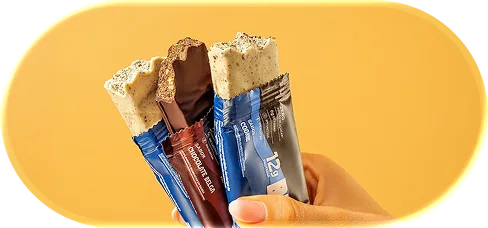
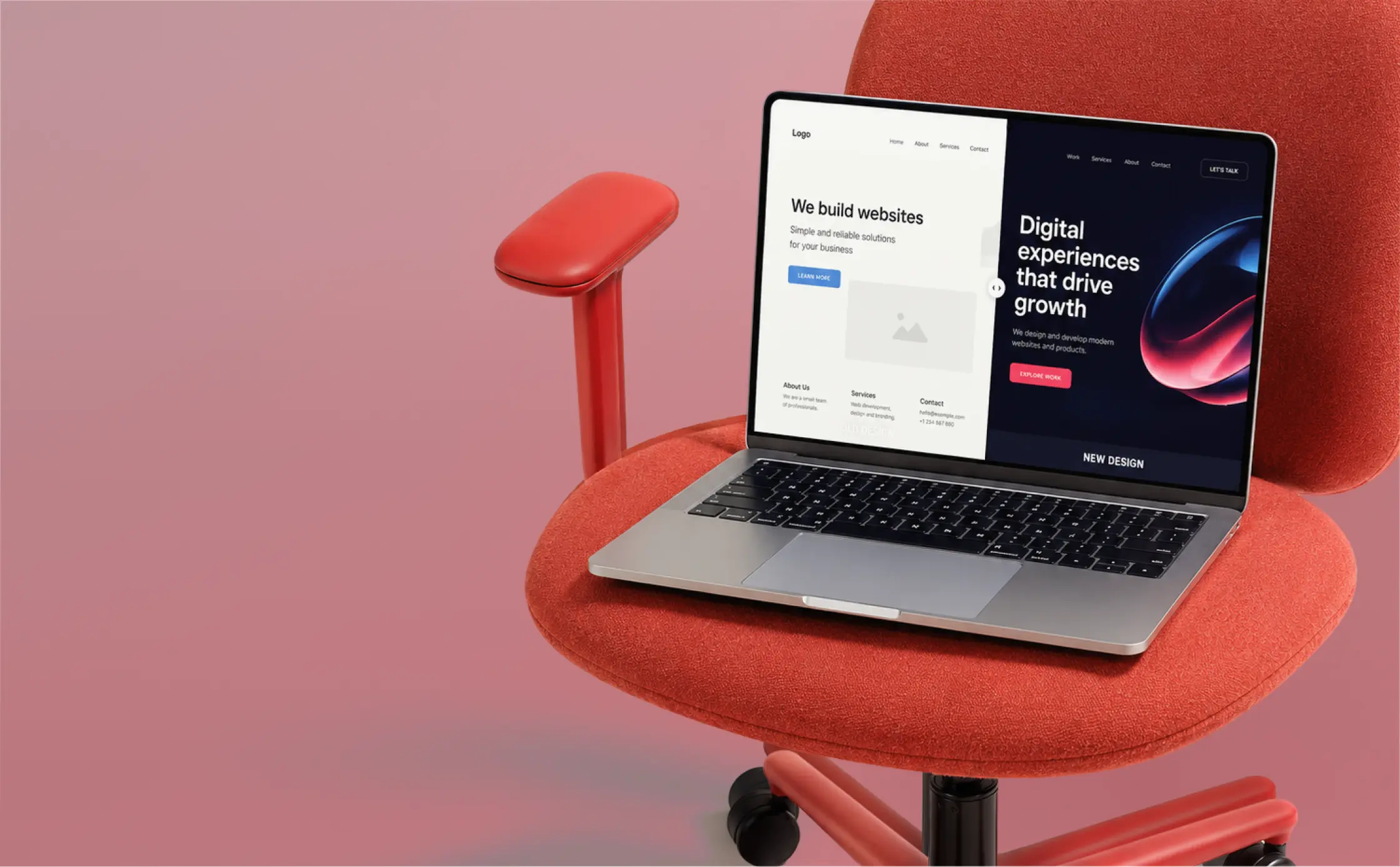

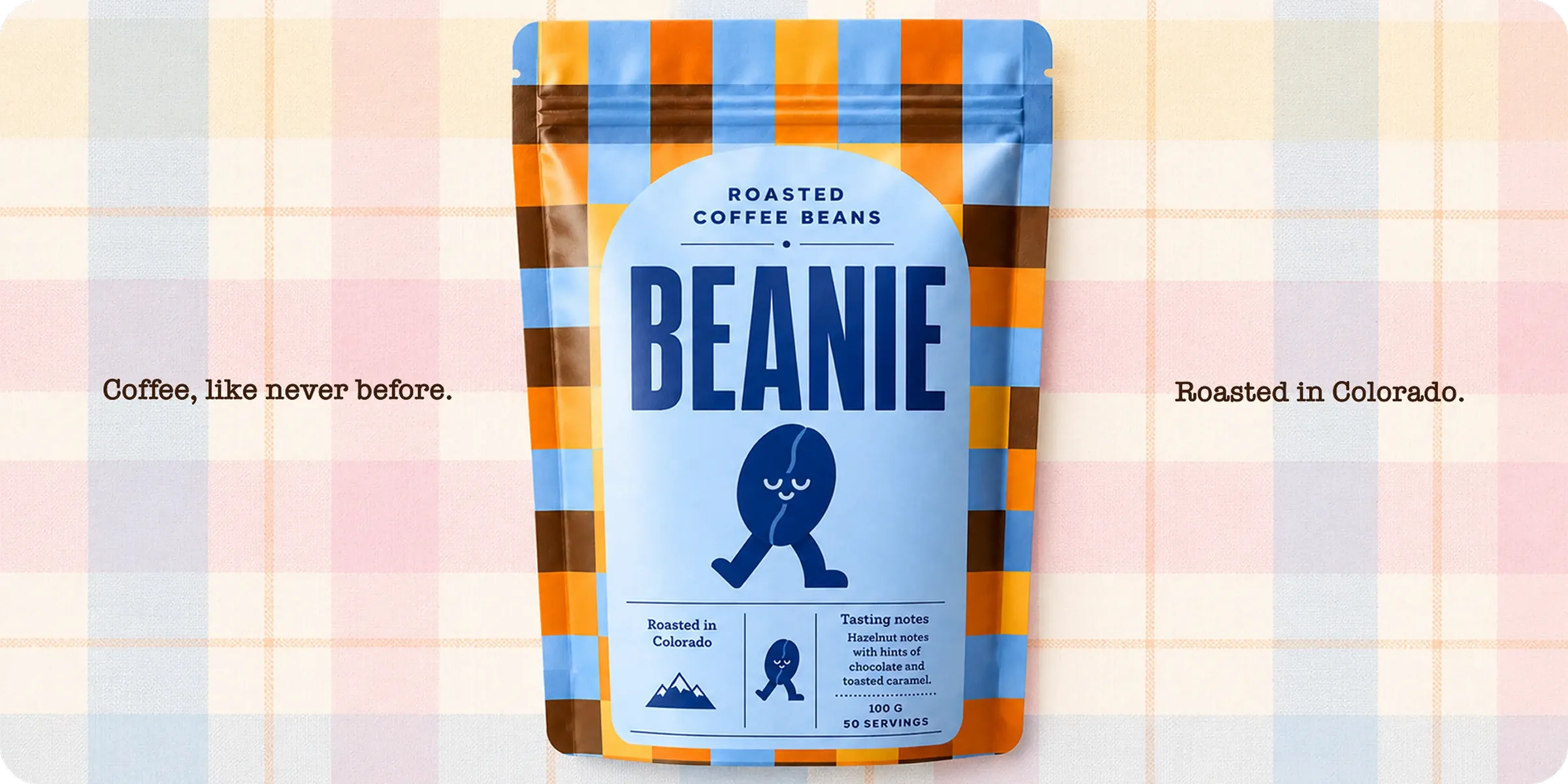



A food marketing agency focused on building brands that are chosen once and then chosen again.
Food is judged by the eyes long before anything reaches the palate. Appetite is a response to presentation, and it forms faster than almost any other decision a customer makes. Brand Vision has spent more than a decade as a food marketing agency, building the identity, packaging, and digital presence that earn that response wherever the choice is actually made.

Selected Clients
Trusted by
Leading Brands
Building real partnerships with top global brands. Delivering results that last well beyond the launch.













SERVICES
Food & Beverage Marketing Services
Specialized Food & Beverage marketing services shaped around how food is chosen, on a shelf, on a menu, or on a screen.
Food & Beverage
Web Design
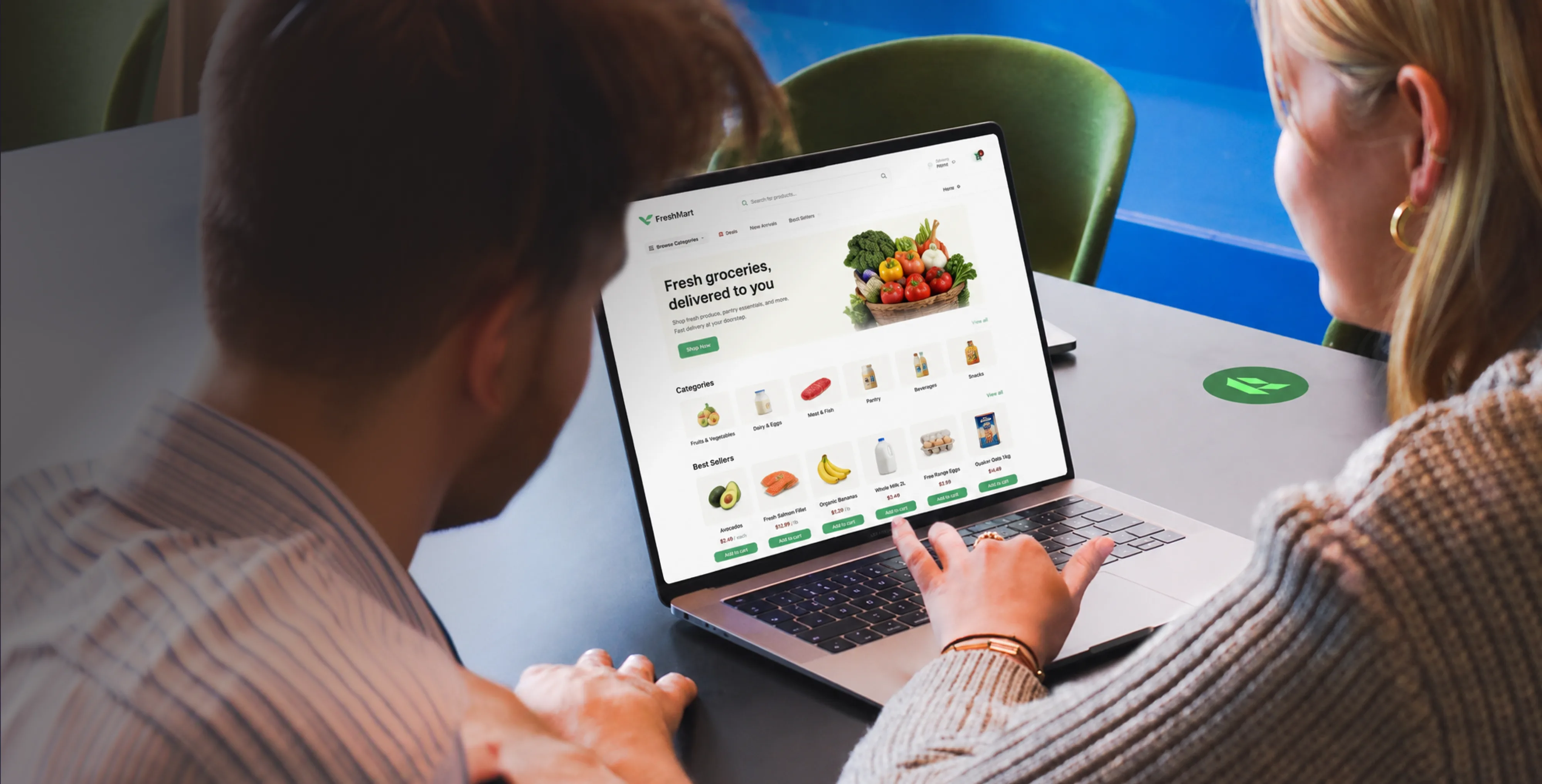
Delivery platforms and retailers present every business through the same template, which is precisely where distinction disappears. The owned website is where it can return. Brand Vision builds food and beverage web design that gives a brand room to be itself while making ordering, reservations, and stockists effortless. As a food marketing agency, we build toward direct relationships rather than deeper dependence on a platform.
Food & Beverage
Branding
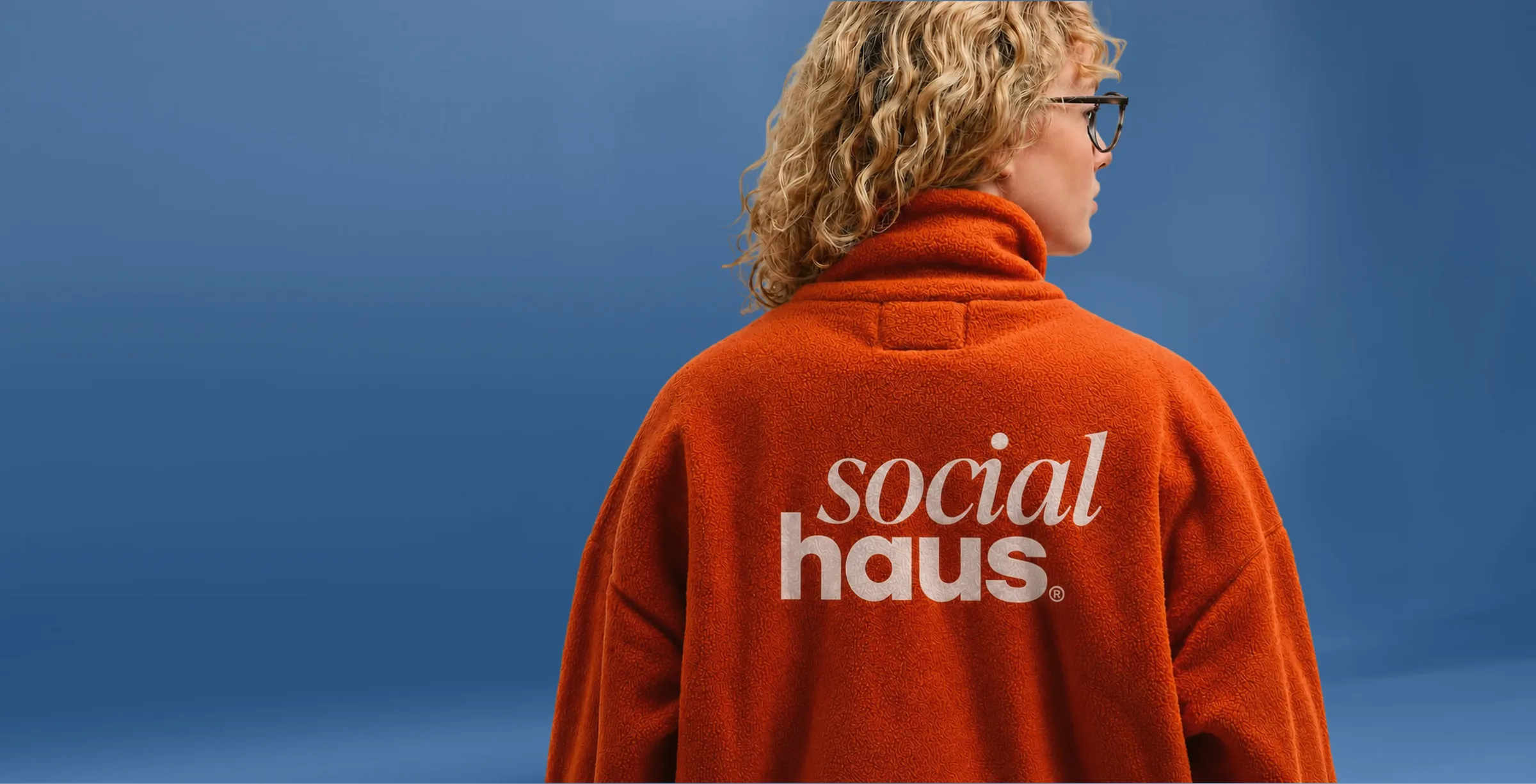
Taste creates loyalty. Branding creates the first opportunity to earn it. Between those two facts sits the entire difficulty of the category, because a product no one selects is never tasted at all. Brand Vision builds food and beverage branding around that opening moment, shaping the identity and packaging that make a business worth trying, then holding that promise consistently through every subsequent encounter.
Food & Beverage
SEO
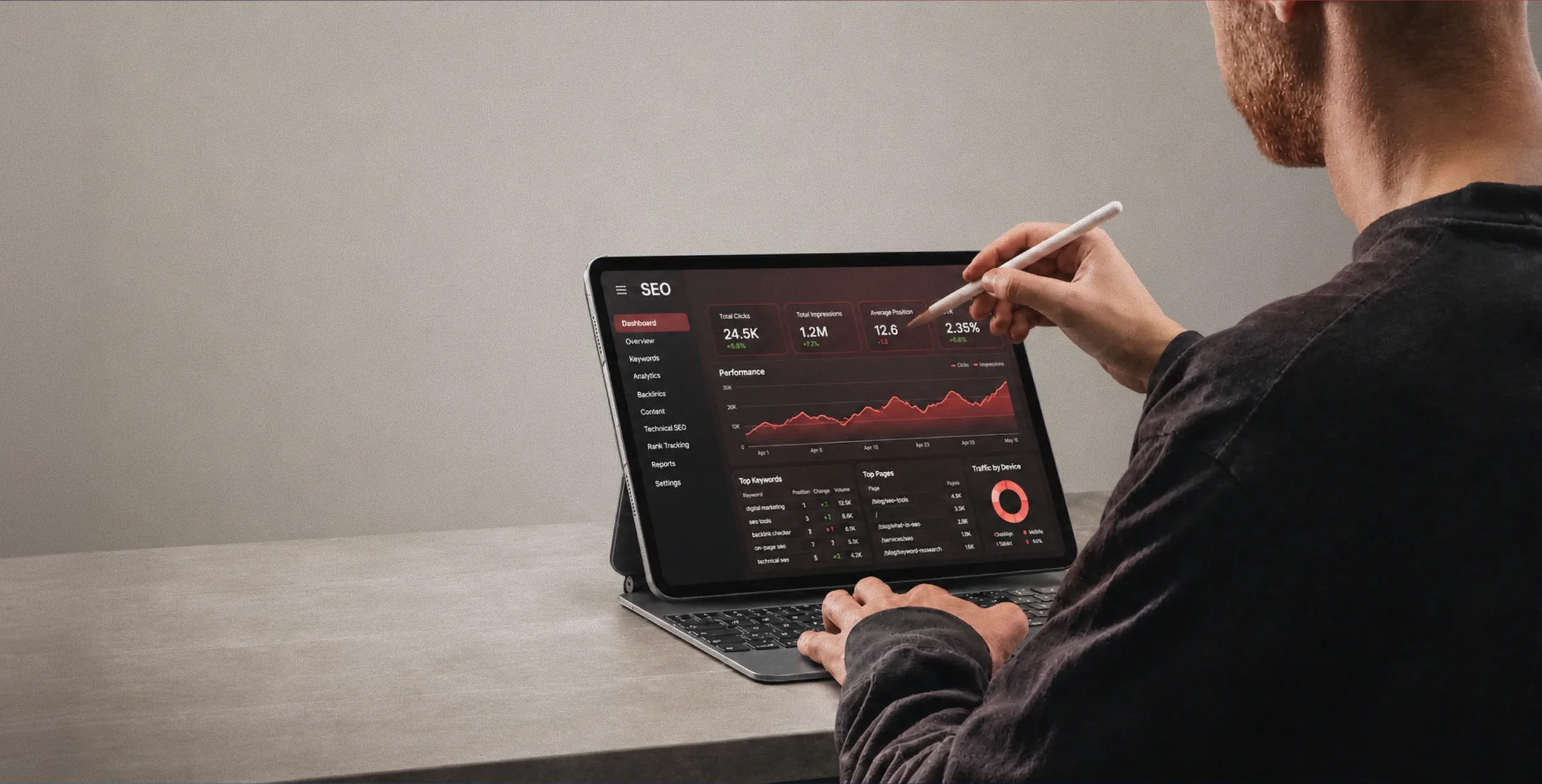
Large platforms hold most of the obvious ground in food search. Delivery apps, retailers, review sites, and recipe publishers have occupied it for years and have no intention of leaving. Room still exists beneath them, and Brand Vision builds food and beverage SEO to occupy it, developing the technical foundation, content, and authority that send discovery to the brand rather than to a third-party listing carrying its name.
Food & Beverage
Local SEO
Most food and beverage decisions happen close to home. Someone searches for a place to eat nearby, scans the map results and the reviews, and chooses before a single website is opened. Brand Vision builds food and beverage local SEO around those moments, strengthening local listings, reviews, and map presence so yours is the business people find first when they search nearby.
Food & Beverage
UI/UX Design
There is a real difference between an interface that lists what is available and one that makes a choice feel obvious. Sequence, hierarchy, description, and imagery all shape what a customer selects and how much they spend. Brand Vision treats food and beverage UI/UX design as a discipline rather than a listing exercise, shaping interface and interaction so the average order rises naturally. It is an approach informed by years of food marketing, where browsing becomes buying in a handful of seconds.

Other Food & Beverage
Marketing Services
Food is among the last categories where marketing genuinely benefits from being seen, which makes channel selection unusually consequential. Brand Vision builds food and beverage marketing programs around where appetite is actually formed, using paid media, social, content, email, and public relations as the goal demands. Where a business wants clarity before committing budget, our marketing consultations assess what is already running. As a food marketing agency, we recommend only what genuinely earns its place in the plan.
THE BRAND VISION ADVANTAGE.
Built to be chosen
and chosen again.
Food is chosen by the eyes and won by the second order. We build food and beverage brands that look irresistible, turn first-timers into regulars, and keep more of every sale off the delivery apps.
Found first, locally.
When someone nearby searches for a place to eat or buy, we make sure it's you they find, through strong local search, maps, and reviews.
Found Nearby
Chosen by the eyes.
Appetite is a response to presentation, and it forms in seconds. We build the identity, packaging, and imagery that earn it before the first taste.
Appetite Appeal
Ordered directly, and again.
We shift orders off the delivery apps and turn first-timers into regulars, so more of each sale, and each repeat, stays with you.
Direct & Loyal
Selected Work
Latest Work
in Food & Beverage
Recent branding, web design, and marketing projects for food and beverage brands.
Our Record
Why Choose
Brand Vision

113 Reviews

60+ verified reviews

Performance and accessibility checks before launch

Clutch Top Brand Development & Web Design Agency
2023, 2024, 2025







Common Questions
Frequently Asked Questions
Still have questions? Contact us to discuss.
What does a food marketing agency do?
Appetite is a visual response and it forms before anything else does, which means the design work carries a commercial job here that it does not carry in most categories. A product nobody selects is never tasted, and taste is the only thing that creates loyalty. Everything before that first bite is presentation.
Four other things behave differently in this sector.
Platforms sit between you and your customer. Delivery apps, retailers, and review sites present every business through the same template, which is exactly where distinction disappears. Marketing here is partly a fight to own the relationship instead of renting it.
The decision is fast, local, and repeated. Somebody searches nearby, scans a map and a review score, and chooses in under a minute, often without opening a website. Then they either come back or they never think about you again.
Packaging is a regulated marketing surface. Very few industries have a piece of brand collateral with legal requirements printed on it. Labelling rules shape the design brief from the first sketch, which is covered further down.
Margins are thin and every point matters. A percentage of commission, a small lift in average order, or a modest improvement in repeat rate moves the business in ways that would be rounding errors elsewhere. Food, labour and rent already consume most of the ticket, so marketing here gets judged against contribution margin, meaning what is left after those costs, and not against top-line revenue.
So Brand Vision's food and beverage marketing services cover positioning and identity, packaging where there is a product on a shelf, a site and ordering path that builds a direct relationship, search and local visibility, and the imagery that does most of the persuading. More than 50 food and beverage brands built over a decade, across restaurants, packaged products, and beverage lines, which are three different businesses wearing the same category name.
Worth being precise about which one you are. A restaurant is chosen inside a few kilometres and rebought weekly. A packaged product is chosen in the seconds somebody spends scanning a shelf you do not control. A beverage line usually has to win a retail listing and a bartender at the same time, which is two sales motions and one brand carrying both.
How do we win orders off delivery apps?
By making direct ordering the easier option and the better-rewarded one, and by taking back the surfaces where the apps currently intercept your own customers. This is the question a restaurant marketing agency gets asked before any other, and it has a specific answer. The commission is the reason to care. Delivery through a third party commonly takes a fifth to nearly a third of the ticket, and pickup orders routed through an app still take a cut of a sale that walked through your door.
What actually moves direct share.
Own the order link on your Google profile. This is the single most overlooked fix in the category. Many restaurants find aggregators occupying the ordering button on their own listing, so a customer searching the restaurant by name is routed through a platform that charges for the introduction. Setting your own ordering provider as the primary link changes the economics of every branded search.
Defend your brand name in paid search. When somebody searches your restaurant by name, the apps are frequently bidding above you. Covering your own name looks like waste until you calculate the commission on every order that leaks through it, which makes it usually the highest-return paid spend available.
Close the convenience gap. Apps win on ease. Your own ordering flow has to be at least as fast, remember a returning customer, handle modifiers cleanly, and work on one thumb. If direct ordering takes more steps, the platform has already won.
Give people a reason, and make it specific. A dollar amount off, a free item, priority pickup, or loyalty points that only accrue on direct orders. Vague claims about supporting local convert far worse than one concrete benefit.
Use the packaging that goes out the door. Every delivery bag is a channel. An insert with a direct-order code and a reason to use it is the cheapest acquisition in the business, and the customer already knows they like the food.
Capture the customer. Direct orders give you an email or a phone number, which is the actual asset. Platform orders give you a transaction and nothing else.
The honest position is that the apps still have a role. They reach people who will never find you otherwise, they fill quiet periods, and cutting them off entirely costs most operators more than the commission does. The goal is a healthier mix with a target you can name, and a website built to earn the direct half.
How do we get found by hungry locals?
In the map results, before your website is ever opened, which is where most of this decision now happens. For a business with a physical location this is the highest-intent traffic available and the most commonly neglected.
What moves position and what moves choice, which are different things.
- Category and food attributes completed properly. Primary category, then dine-in, takeout, delivery, reservations, and the service options that feed filtered searches. An incomplete profile is invisible the moment somebody filters.
- Menu on the profile, not buried in a PDF. Structured menu information means your dishes can be matched to what somebody typed. A menu that exists only as a downloadable file cannot be read by anything.
- Order and reservation links pointing where you want them. Covered above and worth checking today.
- Review volume and recency. Recency matters more than operators expect. A restaurant with sixty recent reviews frequently outranks one with four hundred old ones, and a simple request at the right moment after a visit changes this within a quarter.
- Responses to reviews, especially the bad ones. Prospective customers read the response more carefully than the complaint. A calm, specific reply sells better than a five-star average with silence around it.
- Photography, updated and plentiful. Both yours and customers'. Profiles with current, appetizing imagery get chosen more often at the same ranking position, which is the part pure ranking advice misses.
- Consistency across every listing. Name, address, hours, and phone matching everywhere, including the aggregators publishing data you never submitted. Wrong hours on a holiday weekend is a lost service.
For multi-location businesses this becomes a discipline instead of a task, since each location needs its own profile, its own reviews, and its own genuinely different page. That is the substance of food and beverage local SEO, and of local search work generally. And for a restaurant inside a hotel or a venue, the profile and the parent property both need to be findable independently, which overlaps with how we handle hospitality properties.
How much does food photography matter?
It is the highest-return line item in the category and the one most often treated as an afterthought. Ask any food marketing agency which single investment they would protect in a tight budget and this is the answer. Appetite is a response to presentation, so the imagery is not decoration around the offer, it is a large part of the offer.
What a food brand actually needs, and it is more than a gallery.
Hero imagery with a point of view. The shots that carry the brand, styled and lit deliberately, used on the site, in campaigns, and in packaging support. This is where a consistent visual language gets established.
Menu and product photography, shot to a standard. Every dish or SKU on the same background, at the same angle discipline, with consistent portioning. Inconsistency here reads as carelessness, and on an ordering screen a beautifully shot dish next to a badly shot one damages both.
Platform-specific crops. Delivery apps, Google, social, and your own site all want different ratios and different amounts of headroom. Shooting without those in mind means everything gets cropped badly by somebody else, usually through the middle of the food.
Process, people, and place. Kitchen, hands, sourcing, the room. This is what makes a brand feel like somewhere real, and it is the material that carries social and editorial coverage.
Enough volume to last. A shoot producing twelve images is spent in a month. Planning for a year of content costs marginally more on the day and is the difference between a brand that looks alive and one that recycles.
What to avoid. Stock food imagery, which experienced customers recognize instantly and read as a business hiding its actual product. Over-styling that the plate cannot live up to, since the gap between the picture and the reality is where reviews get written. And filters that change what the food actually looks like.
The photography then has to work inside a system, meaning the visual identity and the collateral it appears across, from menus and signage to packaging and social. A great shoot inside a weak system still looks inconsistent, and a modest shoot inside a strong system looks deliberate.
Does the menu change what people spend?
It changes it measurably, because a menu is a sequence of decisions and not a list of things you happen to sell. Order, hierarchy, description, and imagery all shape what gets selected and how large the ticket becomes.
Where the levers actually are.
- Position and eye path. Items placed where attention lands first get ordered disproportionately, and most menus put the highest-margin dishes where nobody looks. Deciding what deserves the strongest position is a profitability exercise before it is a design one.
- Category structure and length. Too many choices slows people down and pushes them toward the familiar. Tighter categories with clear logic raise both speed and average ticket.
- Descriptions that do a job. Specific, sensory, and short. Naming a technique, an origin, or a single distinctive ingredient outperforms a list of everything in the bowl.
- Pricing presentation. How prices sit relative to the item, whether they compete visually with the name, and how anchor items frame the ones next to them. Small typographic decisions here have real effects.
- Imagery, used selectively. Photographs raise selection for the items that carry them, which means photographing everything flattens the advantage. Choose deliberately.
- Modifiers and add-ons in the right moment. The attachment rate on a digital order is largely a design outcome. Offering the right addition at the right step lifts ticket size without anyone feeling upsold, and offering it badly gets dismissed.
- Returning customers. Reorder from history, saved preferences, and a checkout that remembers. Repeat customers are the profitable ones and most ordering flows treat them like strangers.
On the digital side this is food and beverage UI/UX design, meaning interface work and not graphic design, and it gets measured on average order value and completion rate. The fastest way to find out what yours is doing is a structured review of the ordering path, watching real customers place real orders. Two weeks, and the findings are usually uncomfortable and cheap to act on.
What does our packaging have to do?
Two jobs at once, and they pull in different directions. It has to win a three-second glance from across an aisle, and it has to carry every piece of information the law requires. Designing for one and retrofitting the other is how packaging projects go wrong.
On the shelf, what actually works. Legibility at distance, tested by looking at the design from two metres away instead of on a screen at full size. A clear hierarchy where the brand, the product type, and the one distinguishing claim are readable in that order. Shelf blocking, meaning what a row of your product looks like as a unit, since customers see facings and not a single pack. Distinction from the neighbours it will actually sit beside, which requires knowing the planogram and not the category alone. And structural recognition, so the shape or the colour block is identifiable before any word is read.
On the regulatory side, and this is where budgets get surprised. In Canada, mandatory label information generally has to appear in both English and French, which is a design constraint and not a translation step, since bilingual copy needs roughly a third more room than teams plan for. The Nutrition Facts table has a prescribed format. Allergens must be declared in a specified way. Front-of-package nutrition symbols are now required on prepackaged foods that meet or exceed the thresholds for saturated fat, sugars, or sodium, and that symbol takes prime real estate on the principal display panel. Ingredient and claim language is regulated, so words like natural, light, and no added sugar are not free to use. Selling into the United States brings a parallel set of requirements with a different nutrition panel and different allergen rules.
The practical consequence is that the layout has to be planned around those elements from the first concept, with the panel space allocated before anyone falls in love with a composition. Food packaging design gets built inside the identity system for that reason, so the brand survives the mandatory content instead of being squeezed by it.
To be clear about scope, we design to the requirements and prepare artwork accordingly, and final regulatory sign-off belongs with your regulatory consultant or counsel. Getting a compliance review before the print run is the cheapest insurance in the category, and it is worth building into the food and beverage branding timeline instead of discovering it at proof stage.
How does search work in this category?
By competing on the specific, because the platforms are enormous and generic and that is the only opening they leave. No independent restaurant outranks a delivery aggregator for a category term in a major city, and it does not need to.
Where the room actually is.
Dish-level and craving-level searches. A named dish plus a place. These convert far better than category terms because the person has already decided what they want, and aggregator pages cannot say anything real about how yours is made.
Dietary and restriction searches. Gluten-free, halal, kosher, vegan, nut-free, and allergen questions. High intent, loyal repeat behaviour, and chronically under-served with vague answers. A properly written page here earns customers who come back weekly.
Neighbourhood and occasion intent. Not the city, the street or the district, and the occasion attached to it. Birthday dinner, group of twelve, quiet enough to talk, open late.
Catering, group ordering, and private events. High margin, rarely booked through a delivery app, and the most under-built section on almost every restaurant website. Frequently the single best search opportunity a business has.
Stockists and where to buy, for packaged products, plus the questions customers ask before they try something new.
Your own name. Branded search has to land on you instead of a review site or an aggregator carrying your name, which is partly a technical job and partly a paid one.
Underneath it, the technical basics matter more than they sound. Menus as real text with proper structured data instead of as images or PDFs. Location pages that are genuinely different from each other. Fast pages, since a hungry person on a phone has no patience, and the menu and ordering templates are the ones worth holding to the published loading thresholds, meaning the biggest element on screen drawn inside 2.5 seconds, a tap acknowledged in under 200 milliseconds, and layout movement kept under 0.1 so nothing jumps while a thumb is already reaching for the add button. The content side is where most operators have an untapped advantage, because a kitchen holds knowledge no publisher can fake, and almost none of it gets published. Food and beverage SEO works the same way at every scale, and the wider picture sits in our search practice.
Do people use AI to pick where to eat?
Increasingly, and this category suits it unusually well, because deciding what to eat is a messy multi-condition question with a fast answer required. Somebody asks for somewhere nearby, open now, good for a group, with something a vegetarian and a coeliac can both eat, under a budget. Whatever gets recommended was assembled from sources.
What determines whether you are in the answer.
Facts as text, not as pictures. Menu items, prices, allergen and dietary information, hours, whether you take reservations, and what the room is like. A menu that lives inside a JPEG or a PDF is invisible, which describes a very large share of restaurant websites.
Consistency everywhere you are described. Your site, your Google profile, delivery platforms, review sites, and directories. Conflicting hours, an old menu on an aggregator, and three versions of your name across four sources produce a business a system cannot summarize confidently, so it names one it can.
Review consensus, and not the score alone. These systems lean on what independent sources agree about you. A restaurant consistently described as quiet, generous, and good for families surfaces for those requests. Contradictory descriptions surface for nothing.
Local editorial coverage. City guides, food writers, neighbourhood roundups, and best-of lists. These are what get cited, and a good independent business can realistically earn a place in them, which makes editorial authority unusually good value here.
Dietary questions answered properly. Allergen and preparation information stated clearly is both a service and a visibility asset, because those questions are among the most common asked of these tools about food. Naming the oil you fry in, whether the fryer is shared, which dishes can be modified and which genuinely cannot is the level of detail a system can repeat without hedging, and it is what somebody ordering for a table of six checks before they pick the venue.
There is a defensive reason too. If a system is answering with a menu you retired two years ago or a price that has changed twice since, the correction is publishing better structured information yourself. Auditing how you are currently described across every source is usually the fastest gain in any AI search engagement for a food business.
We have several locations. What changes?
With one brand that holds and local latitude that is defined rather than assumed, because the failure mode here is either enforcement nobody follows or drift nobody notices. Multi-unit food businesses live or die on that balance.
What the structure needs.
A location page per site that is genuinely different. Real address, real hours, real staff, real neighbourhood detail, the actual menu for that location, and its own reviews. Duplicate pages with the city name swapped in compete with each other and both lose, which is the most common multi-location search error.
Its own local profile per site, managed centrally with local input. Reviews, photos, and hours are location-level realities and cannot be run from head office alone.
A visual system with explicit permissions. What a franchisee or a location manager can change and what they cannot. Most brand inconsistency in food comes from guidelines that described the ideal without ever saying what was allowed.
Templates for local marketing. Store-level promotion, seasonal offers, and community activity built from approved blocks, so a location can move quickly without producing something off-brand. Franchisees who are given nothing usable will make their own, and it will be worse.
Consistent menu and price handling across the site, the profiles, and the ordering platforms, which is an operational discipline more than a design one and where customer complaints most often originate.
Language and market rules that change by province. A location in Quebec changes the brief, since public signage and commercial materials carry French obligations, and the 2025 tightening means a storefront trademark is only exempt where that mark is registered. Menu boards, window vinyl and delivery packaging all sit inside that, which makes it a fabrication and artwork decision taken per site. We design to those rules, and the legal position on them is your counsel's to confirm, ideally before a lease is signed and not at sign install.
A clear split between brand marketing and local marketing, including who funds which. Ambiguity here is the most common source of franchise friction.
At scale this becomes governance, meaning standards, permissions, and rules that let fifty locations act without fifty different answers. That is the same discipline as managing search and content across a large site, paired with local visibility run per unit and not per brand.
We sell direct online. What changes?
The product is the same and the business is not, because shipping food introduces constraints that no other ecommerce category carries. Food and beverage web design for a direct-to-consumer brand is a different brief from a restaurant site, and the differences are mostly commercial. Getting this wrong is expensive in a way that shows up as refunds instead of as lost sales.
What is genuinely different.
- Shipping cost and honesty about it. Perishable and heavy products make delivery a large share of the total, and hiding that until checkout is the single biggest cause of abandonment here. Showing it early converts worse on that click and much better on the order.
- Cold chain and geography. What can ship where, in what season, and how the packaging performs in transit. This has to be stated clearly on the page, not discovered by a customer in July.
- Subscription as the real economics. Repeat purchase is where food ecommerce becomes profitable, which makes the subscription offer, the flexibility to pause, and the first-order experience more important than one-off conversion.
- Category and collection structure. Product pages matter and collection pages are what compete for commercial searches, which is where ecommerce search work earns its place.
- Trust for a product nobody can taste first. Ingredients, sourcing, certifications, real reviews, and honest photography. Sampling offers and smaller trial sizes do more for a first order than a discount.
- A stockist locator, if you are also in retail. Many customers would rather buy in person and cannot work out where. This page is usually missing or hopelessly out of date, and it is easy revenue.
- Platform fit. Most food brands are well served by Shopify with subscription tooling on top, and knowing its limits before designing around them saves a rebuild.
Where the brand is selling to a broad consumer audience across both retail and direct channels, the messaging has to work in both, which is the same problem set as wider consumer marketing. The packaging that wins on a shelf and the page that wins online are making the same argument in two formats, and they should not read as two different companies.
How do you plan around dayparts?
Around when people are actually deciding, which in food is a daily rhythm and not a quarterly one. A campaign that runs at a flat weight all week is spending against lunch demand at ten at night.
How planning works.
- Daypart weighting. Breakfast, lunch, afternoon, dinner, and late night behave like separate businesses with separate customers. Spend, creative, and offers get weighted to the parts you actually want to grow, which is usually not the part already full.
- Fill the soft periods, not the full ones. Promoting a Friday night that sells out anyway is paying to displace a sale you had. Discretionary budget belongs against the quiet Tuesday.
- A seasonal and occasion calendar. Holidays, long weekends, local events, patio season, and the periods where a category swings hard. Catering and group business have their own calendar and a longer lead time.
- Limited-time offers with a real reason. New items and seasonal specials give people a reason to return and give you something to talk about. Planned in advance, produced properly, and retired cleanly.
- Creative ready before the window, since a campaign built during the window has already missed the people who planned ahead.
On reporting, the numbers we lead with.
- Direct order share, against platform orders, tracked month over month. This is the number the whole strategy exists to move.
- Average order value and items per order, split by channel, because platform and direct baskets behave differently.
- Repeat rate and time between orders. The second order is where a customer becomes a business, and almost nobody reports it.
- Cost per order by channel, held against your contribution margin rather than against revenue, since a cheap order on a low-margin item is not a win.
- Local visibility and review position per location, plus review volume and recency as leading indicators.
- Reservations or covers where relevant, and catering enquiries as their own line.
- Non-branded search demand, separated from people searching your name.
Where a specific paid push makes sense for an opening, an offer, or a soft period, it gets scoped against that moment instead of running flat all year, and the wider program is built around the rhythm the business actually has.
What does this cost and how long?
A website project is typically eight to ten weeks, and branding adds about two weeks on top, so plan on three months for the two together. Ongoing marketing runs monthly. Photography and the number of products or locations move those figures more than anything else.
What drives the number.
- Restaurant, packaged product, or both. These are different projects. Packaging has artwork and compliance steps that a restaurant brand does not, and a restaurant has ordering and reservation integration that a packaged brand does not.
- SKU count and pack formats. Every size and variant is its own artwork, and the count is usually higher than the initial brief suggests. One flavour extension in three sizes plus a multipack is four artwork files, four barcodes and four rounds of checking, which is where packaging timelines quietly go.
- Location count, and whether each needs its own page, profile, and menu handling.
- Photography and video, which is the largest single variable and the highest-return line in most food projects. Existing usable imagery against a proper shoot is a genuine fork in the budget.
- Ordering, reservation, and point-of-sale integration. Working with what you have is straightforward, and custom flows are development work.
- Whether the identity is being built or carried through.
- Which channels Brand Vision runs afterward, and how the budget splits between them.
Timing is worth planning around. Launching a restaurant brand two weeks before a seasonal peak is avoidable stress, and packaging has a print and regulatory review lead time nobody controls, so those dates get worked backwards from the start. A press proof, a film order carrying a minimum quantity, and a co-packer's production slot are queues you join and cannot shorten by paying more attention to them.
Where the budget is tight, phasing works well in this category. The highest-value piece usually ships first, which for a restaurant is the ordering path and the local presence, and for a packaged product is the packaging itself. Where the honest recommendation is a consultation to work out what is actually limiting the business before anything gets built, that is what gets proposed. You can see the range in recent work, and tell us what you are working with for a scoped read.

Research & Findings
Original research and expert perspective on design, branding, and the strategy behind both.

Branding
Message Testing: Validating Brand Claims Before a Website or Campaign Investment
Oct 19, 2026
/ By Arman Tale
Branding
Customer Segmentation Strategy: Choosing Where to Compete and Where to Stop Investing
Oct 18, 2026
/ By Arman Tale.webp)
Branding
B2B Branding Strategy: Positioning, Proof and Buying-Committee Trust
Sep 6, 2026
/ By Hamoun Ani