Industries We Collaborate With
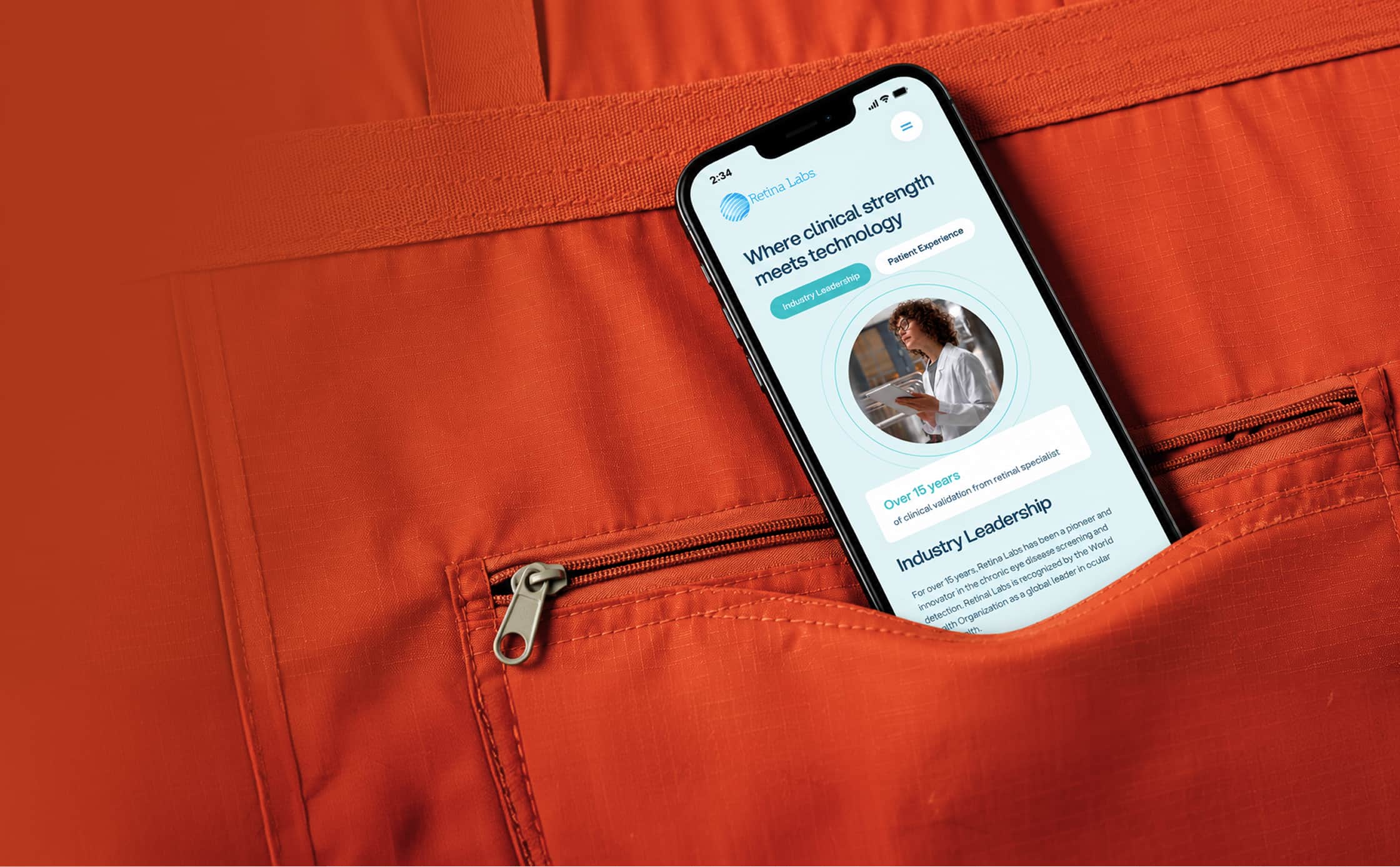
We don't reuse one playbook across every field. We shape design, messaging, and strategy around the industry we're building for, so the work reads as though it came from inside your world, not from an agency guessing at it.










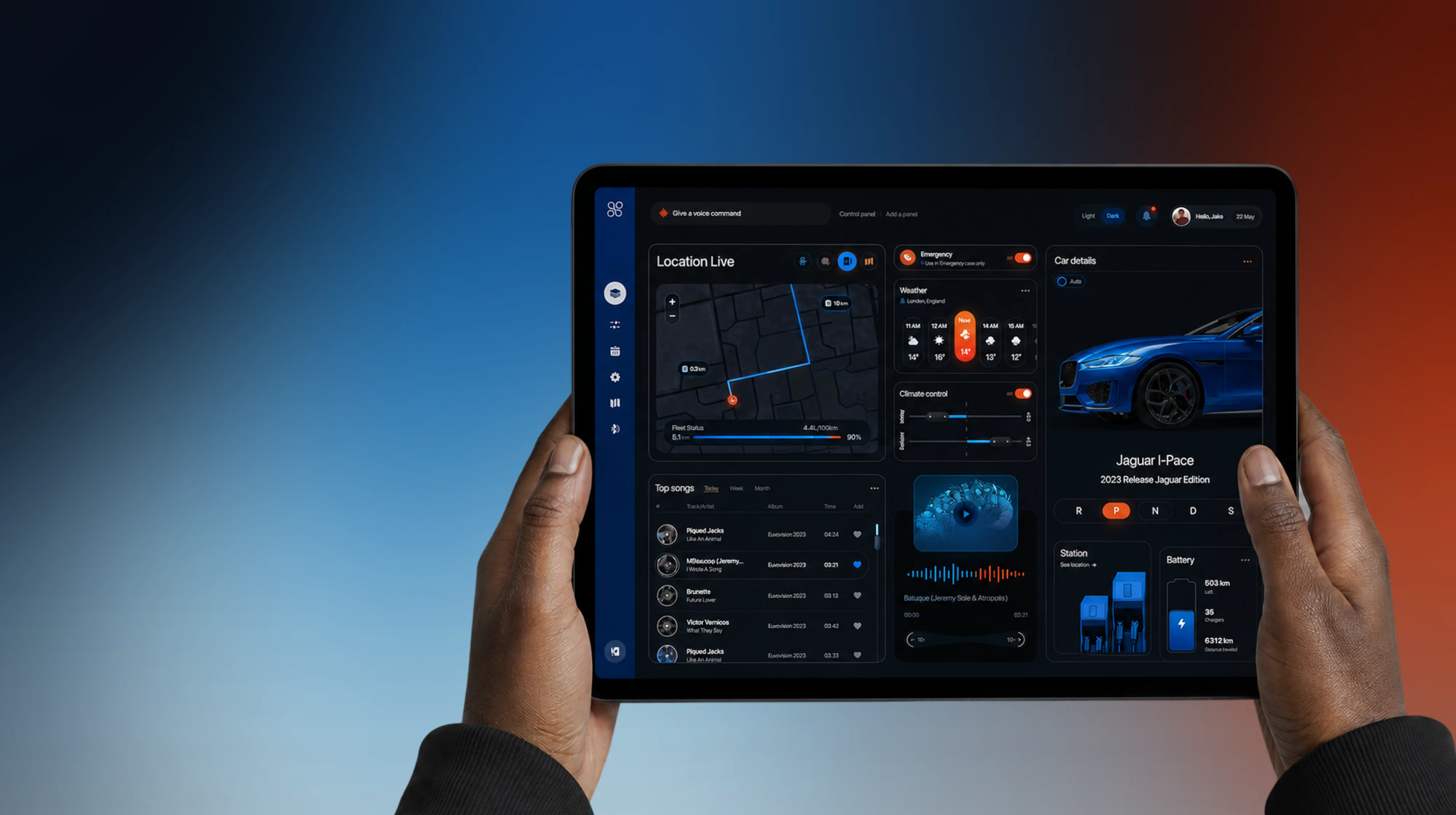

Travel, Hospitality, and Tourism
Guests research and book across multiple touchpoints. We help hotels, resorts, tourism brands, and event venues present their experience with clarity, connecting visual storytelling with practical booking flows, local discovery, and seasonal content that stays current.
Common Questions
Frequently Asked Questions
Still have questions? Contact us to discuss.
Which industries do you work with?
Twelve categories have a page of their own, and the studio has shipped work in a good number that do not. Since 2018 the count has passed 500 projects and sits at roughly 150 brands, built by a senior team whose individual careers run past fifteen years.
Where the depth is documented, and the constraint each category is really about.
- B2B marketing. Cycles measured in quarters, decisions made by committee, and a website that gets forwarded to procurement before anybody replies.
- Ecommerce and B2C. Volume, margin, and the arithmetic of a first order that loses money on purpose.
- Technology and SaaS. Explaining something nobody can hold, to a buyer comparing five of them in a spreadsheet.
- Startups. Looking credible before there is proof, on a budget that has to reach a milestone.
- Health and wellness. Trust, privacy, and hard limits on what a provider is permitted to claim.
- Law firms. Conduct rules, intake, and practice areas nobody can find.
- Education and institutions. Several audiences on one site, and a recruitment calendar that does not move for anybody.
- Food and beverage. Shelf, menu, photography, and the fight to win a direct order back.
- Travel and hospitality. Booking windows, intermediaries taking a cut, and demand that arrives in waves.
- Not for profit. Somebody pays and somebody else receives, and they are rarely the same person.
- Entertainment. Attention that spikes around a date and then leaves.
- Real estate and development. Launch cycles, long approvals, and a purchase most people make three times in a life.
Two honest notes about that list. It describes where we have enough repeated exposure to be useful in the first week, and it is shorter than the list of sectors that have actually come through the studio. Manufacturing, financial services, trades and industrial services, arts organizations and consumer products have all been client work without earning a page yet.
The second note matters more. A category page is a starting point and never a substitute for reading your business. Two clinics four kilometres apart can need opposite strategies, because one competes on convenience and the other on a specialty nobody nearby offers. The page tells you we know the terrain. The first conversation tells you whether we understand your position on it.
How does the work change by industry?
The disciplines stay constant and the inputs change entirely, which is why the same team can run identity work for a hospital and for a hotel without the two projects looking related. Six capabilities are available to any engagement. What shifts by category is which one leads, what evidence it runs on, and what everybody agrees a good outcome is.
Positioning and identity. The brand practice asks the same questions everywhere and gets very different answers back. In a market where every competitor leans on the same three visual conventions, being distinctive is cheap and low-risk. In a market where the buyer is nervous, looking unusual reads as unproven, and the work moves toward credibility signals instead of difference for its own sake. Same method, opposite brief.
The website. The site build follows the decision it has to support. A clinic site is one short path to a booking. A university site is a hundred paths to a hundred answers for four audiences who disagree about what matters. A developer's site is a sales tool for a single asset with a closing date attached. The platform question is usually the least interesting difference between them.
Interface and usability. Interface work points at whatever the category's real friction is. A checkout, an application form, an intake enquiry, a handoff into a third-party booking engine, an onboarding sequence. The method holds steady and the thing under the microscope does not.
Search. Search visibility changes shape more than any other discipline here. Some categories have thousands of monthly searches with an obvious commercial term sitting in the middle of them. Some have almost no volume, and the work becomes demand creation with search playing a support role. Some are held by marketplaces and aggregators, where the realistic goal is a strong position inside the aggregator alongside a smaller direct one.
Paid and channel mix. Economics decide this and preference does not. Click costs in legal and insurance sit at one extreme and consumer categories at the other, and average order value held against cycle length determines whether a platform can ever pay for itself.
Reporting. The wider marketing program reports against the thing your business actually counts. Bookings, enrolments, qualified pipeline, donations, appointments, signed listings. Impressions are diagnostic and never the headline.
The through line is that method travels and judgment does not. We bring the method plus reference points from other categories. You bring the truth about yours.
Does industry experience actually matter?
It matters less than most buyers assume and more than most generalists will admit, and the useful answer sits in a narrow band between those two sales positions. One of them sells a case study. The other sells a philosophy.
Start with where the other side is right, because it is right more often than agencies like us tend to concede. There are categories where prior exposure is close to decisive. Anywhere a regulator constrains the wording, mistakes are slow and expensive to unwind, and somebody who has already sat through a compliance review knows which battles are worth having. Anywhere the vocabulary is genuinely technical, an agency that cannot pronounce the product will write copy your buyers dismiss inside a sentence. And anywhere the channel is idiosyncratic, meaning the whole market runs through one marketplace or one trade publication or one referral network, general channel judgment is worth very little.
Now the part that gets left out. What most firms sell as industry experience is a portfolio row and a set of habits. Having built nine sites in your category means the tenth will resemble the first nine, which is precisely the outcome to worry about if the goal is to look unlike the other nine. Familiarity and imagination are close to opposites in this business, and the agency that has run your category's playbook the most times is the least likely to question any of it.
So the question worth asking on a first call is not how many clients somebody has had in your space. There are two better ones. Ask them to describe your buying process back to you unprompted, and listen for whether they get the sequence right or only the nouns. Then ask what they would need to learn about your category, how they would learn it, and who specifically would be doing that learning. A firm with a real method answers the second question in specifics. A firm leaning on a case study changes the subject.
On our side, the people who would be on your project are the same ones in the first conversation, so the answers you get to those two questions come from whoever has to live with them. Range is also something we hire for on purpose, which the way we hire reflects more honestly than any positioning statement would.
What transfers and what does not?
Roughly half of what an agency knows crosses a category line, and the half that crosses is the half that took longest to build. Being precise about which half is the entire argument for working with a team that has range.
What carries over.
- The shape of a considered decision. Somebody facing a large commitment narrows to a shortlist before contacting anybody, hunts for reasons to eliminate options, needs one person internally to champion it, and needs a reason to move now instead of next quarter. That sequence is close to identical whether the purchase is a building, a software platform or a surgical procedure.
- Where trust is built and where it is lost. The moments are predictable. The point where somebody wonders whether you have done this before. The point where price appears or conspicuously fails to. The point where they try to work out who they would actually be dealing with. Putting proof at those exact moments is a transferable skill, and most sites place proof decoratively.
- How to structure a test that can be read. Benchmark first, change one thing, wait for enough volume to trust the result, then retest against the original number instead of against a feeling. Teams break that rule identically in every sector.
- How to write for somebody holding three options. Specificity, plain language, and answering the objection before it gets raised.
- What a healthy path from first visit to enquiry looks like, including which drop-offs are normal and which ones mean a step is broken.
What does not carry over, and assuming it does is where the money goes.
- Cycle length. Two weeks against nine months changes the plan, the content, the reporting window and how month three should be judged.
- Who sits on the buying committee. One consumer, a couple deciding together, or five people with a procurement gatekeeper. The B2B page goes into committees properly and the consumer side covers the opposite case.
- Regulatory limits on claims. What you may say differs by category and by jurisdiction, and none of it is negotiable.
- Seasonality. When demand arrives, and which dates cannot be missed without losing a year.
- The words buyers use. Learned by listening and never guessed, and the quickest way to sound like an outsider is to get this slightly wrong.
Sorting your business into those two lists takes about two weeks of listening, and user research is the part of it we will not skip.
What if our industry is not listed?
A missing page means we have not written one, and it usually does not mean we have not done the work. Twelve categories have pages because they came up often enough to be worth answering in public. Plenty of good engagements sit outside them.
What actually happens when a category is new to us.
- We check what it is adjacent to. Most industries are a recombination of constraints somebody has already dealt with. A veterinary group is a clinic with a consumer purchase attached. A commercial insurance broker is professional services with a regulator reading the wording. A trade distributor is business-to-business selling with a channel conflict on top. Naming the adjacent cases tells you inside one call how much of our judgment carries.
- We run a short discovery on your buyers before proposing anything. Not a category report bought from a research firm. Your own sales conversations, your lost deals, the language in your reviews, and the terms people already type. A paid consultation exists for exactly this, and plenty of clients take the output and execute it with their own team.
- We price the learning honestly and we do not bill it as strategy. Reading into a category is our cost of doing business up to a point. Where a category genuinely needs weeks of primary work before anything sensible can be recommended, that becomes a scoped brand research phase with its own deliverable, and you decide whether it is worth buying.
- We tell you when a specialist would serve you better. It happens. Categories where the whole market runs through one closed platform, where the selling is done almost entirely by a licensed professional, or where a handful of firms hold every relationship that matters. A boutique with ten years inside that world will beat us, and we say so before a proposal exists instead of in month three.
The reason an unfamiliar category does not worry us is that the expensive part of this work is almost never the category knowledge. It is the judgment about what to do with it, which travels, and the discipline to test instead of assume, which most of the industry skips. What we will not do is claim a fluency we do not have, because you would find out by week three and it would cost you more than the honest answer would have.
How fast do you learn a new category?
Useful in about two weeks, and genuinely fluent somewhere between one and two quarters. Those are two different claims and they get made separately. Anybody promising fluency after a kickoff call is describing a slide, and anybody needing six months before contributing is learning on your budget.
Days one to three. What you already know. The fastest intelligence available is sitting inside the business, undocumented. Recorded sales calls, support tickets, the reasons deals were lost, the objection your team is tired of hearing, and the questions that surface in every demo. Two hours with a sales lead beats a fortnight of desk research and hardly anybody does it before writing a plan.
Week one. Demand and language. What people search, what they ask in forums and communities, and how they describe the problem when nobody is selling to them. One-star reviews of your competitors are the highest-value document in most categories, because that is where buyers say plainly what went wrong. All of it feeds content strategy later.
Week two. Conventions and competitors. Every competitor's positioning, claims, pricing posture and visual language, mapped until the shared assumptions become visible. The point is finding what everyone in the category does the same way, because that is where the openings are.
Weeks three to six. Actual buyers. Interviews with customers, lost prospects, and the people who influence a decision without owning it. Field practice puts diminishing returns at roughly ten to twelve conversations per audience, meaning the stage where a new interview stops producing anything new. Where usability is the question instead, five well-screened participants per round surface most of what one round can surface.
Month two onward. The category stops being research and starts showing up in decisions, which is where brand strategy gets written from.
One distinction is worth holding onto here. How fast we learn your category and how fast the work produces results have nothing to do with each other. We can be current in six weeks and still tell you that the market sets the clock on search, which in practice is a four-month to twelve-month window before anything reaches your pipeline. A vendor guaranteeing top positions inside a month is either not being straight with you or has chosen search terms nobody in your market actually uses.
Which industries do you know best?
Real estate and development, professional services, technology and software, health and wellness, and hospitality, in roughly that order of volume. Depth is uneven across the list and pretending otherwise would be easy for you to catch.
The heaviest concentration is in property and development, which is partly a Toronto story. Condominium launches, master-planned communities, brokerages and commercial portfolios have been steady work since the studio opened, and that category has taught us more about long approval chains and launch timing than any other. The Canadian side of the practice still carries most of it.
Close behind sit professional services and software and technology work, which arrive together often enough to behave like one category. Both involve a considered purchase, several people in the decision, a long lag between first contact and revenue, and a product that has to be explained before it can be compared. Our US clients skew this way, and so does most of the pipeline reporting we build.
Health and wellness is the third band, spanning clinics, individual practitioners and consumer wellness brands, which behave very differently from each other despite sharing a category name. Hospitality and food sit alongside it, and both taught us that seasonality is a planning discipline instead of a nuisance to be absorbed.
Early-stage companies are a cross-cutting case instead of an industry. A seed-stage business in any sector has the same constraints, meaning no proof, no history, and a budget that has to reach a milestone. We take a lot of that work because the decisions are still genuinely available.
Where we are thinner, stated plainly. The entertainment page exists because the work exists, and the volume behind it is smaller than the rest. Industrial manufacturing, heavy engineering, agriculture and financial services have all appeared here without accumulating the repetition that produces real fluency. In those categories the first month includes more learning, and we price and schedule for that instead of hiding it.
What to do with any of this ranking. On its own it is a weak signal, because the specific problem in front of you matters more than a category average. A brokerage with a search problem and a brokerage with a positioning problem need different people inside the same practice. The case studies are the better way to judge us, since they show the problem, the decision and what happened afterward instead of a logo grid.
Do you work with our competitors?
Not head to head. We will not hold two clients competing for the same buyers in the same market at the same time, and where that overlap exists we decline the second one. The reason is mechanical instead of principled, which is what makes it reliable.
Search and paid work is close to zero-sum between direct rivals. There is one top position for a commercial term and one winning bid in an auction. An agency running both sides is either underserving one client or bidding your budget up against itself. Local search makes that obvious, since two firms chasing the same map pack in one catchment cannot both be placed first, and paid campaigns make it expensive, because the second advertiser raises the price for the first. Nobody can act fully for both. An agency claiming otherwise is describing a revenue decision as a capability.
Where an overlap is genuinely fine, which covers most of what people worry about. Two businesses in the same industry serving different regions, segments or specialties are not competitors in any way that touches the work. A clinic in one discipline and a clinic in another. A software company selling into hospitals and one selling into school boards. Two developers in cities that share no buyer pool, which comes up constantly in property and development marketing and has never been a problem.
On blanket category exclusivity the honest position is less comfortable. We do not hand it out, because a promise to refuse an entire sector indefinitely carries a real cost and pretending it does not would be dishonest pricing. Where you want it, name the specific companies and the geography and it goes into the agreement with a defined term and a price attached. That is a cleaner arrangement than a verbal assurance nobody wrote down.
On what happens to what we learn, the rule is absolute. Research, creative, data, accounts and anything produced for you stay with you and go nowhere near another engagement. How a category behaves is general knowledge we carry. Anything specific to your business is not.
If you are unsure whether an overlap exists, name the companies early. We run that check before writing a proposal, and a conflict gets raised in the first conversation instead of after a contract exists.
Do you work in regulated industries?
Regularly, and the working division is that we screen and narrow while your counsel or your regulated professional clears. That split is not modesty. An agency offering legal comfort is offering something it cannot stand behind, and the cost of discovering that lands on your licence and not on ours.
Where the constraints usually bite, and what they actually restrict.
- Health, wellness and medical. What a provider may claim about an outcome, whether a testimonial or a review can be used at all, and how patient information is handled in forms and analytics. Tracking on pages where somebody describes a condition deserves specific attention, since guidance in that area has tightened on both sides of the border.
- Legal services. Professional conduct rules covering advertising, comparative claims, specialist designations and disclosure around contingency arrangements. Rules differ by province and by state, so wording that clears in one jurisdiction can fail in the next. That constraint runs through everything on legal marketing.
- Education. Privacy obligations around minors and student records, plus accessibility that is a statutory obligation and not a courtesy. AODA in Ontario and ADA expectations measured against WCAG in the United States both reach schools and universities, and obligations on public institutions have been sharpened recently.
- Food, beverage and supplements. Labelling rules, nutrient content and health claims, and what a package is allowed to imply. Federal food and health regulators watch this closely, and packaging errors are expensive because they are printed in volume.
- Financial services and insurance. Licensing, restrictions on marketing certain products, and mandatory disclosure. Frequently the tightest of the group and the one where creative gets rewritten most often.
- Charities and public benefit organizations. Grant and platform conditions, solicitation registration in some jurisdictions, and consent standards around telling somebody else's story.
- Pricing and environmental claims generally. Canadian competition law expects substantiation to exist before a comparative or green claim gets published, and enforcement posture on both has hardened.
None of that is legal advice and none of it replaces your own counsel. What we do is arrive knowing which sentences attract attention, draft with the constraint already in view, keep a record of the evidence behind every claim, and build so that accessibility and privacy requirements are satisfied in code instead of in a policy document, which is the engineering side of the same problem. Where a rule is genuinely unsettled, you will hear that it is unsettled.
How do you handle claims and compliance?
Every claim gets a source before it gets a layout, and the sequence below runs on our side before anything reaches your reviewer. Compliance treated as a final gate produces a rewrite. Treated as an input it costs almost nothing.
- The claim gets written down with its evidence attached. A number, a study, an internal report, a date, and the name of whoever inside your business owns it. Claims that cannot be sourced get cut here, which is far cheaper than cutting them after design.
- Each claim gets sorted by risk. Factual and verifiable, comparative, superlative, or regulated. Comparatives and superlatives need substantiation held in advance, which is the standard Canadian competition law works to and a sensible habit in any jurisdiction.
- Your reviewer is named at kickoff. In-house counsel, a compliance officer, a medical or legal professional, or an outside firm. The most reliable cause of a stalled regulated project is a reviewer who appears in week nine with opinions nobody planned around.
- We screen and narrow, they clear. We remove wording that will obviously fail, offer alternatives that say the same thing inside the rules, and hand over a short list instead of a manuscript. Reviewers move much faster on three options with reasoning attached than on a full draft.
- Approved wording goes into the guidelines. The cleared claim, its evidence, an expiry where one applies, and the alternatives that were rejected and why. Otherwise the next person editing a page quietly reintroduces the sentence counsel removed.
- Claims get rechecked when the evidence ages. A statistic from four years ago is a liability sitting on a live page, so review dates are set and somebody owns them.
Two category notes. In clinics and wellness brands the testimonial question is what catches people, because patient stories are the most persuasive material available and among the most restricted. In food, beverage and restaurant work the same discipline covers packaging, where a claim is printed in volume and a correction means a reprint.
The same screen-then-clear pattern governs naming and trademark screening, where we narrow a shortlist against knockout searches and your counsel or agent gives the opinion and files. We hold ourselves to it too. Any performance figure we publish is an average of past work with its ceiling stated, and the underlying data stays somewhere we could produce it on request.
What if our buying behaviour is unusual?
Unusual buying behaviour is the most common reason a competent standard plan underperforms, so it is worth naming yours before anything gets scoped. Six patterns account for most of it, and each one breaks a different default.
If the person who pays is not the person who benefits. A donor funds a service somebody else receives. An employer buys software the staff have to use. A parent pays tuition a student attends. That splits the message in two, because the payer needs a reason to believe and the user needs a reason to engage, and one page attempting both usually achieves neither. Charities and nonprofits live with the sharpest version of it.
If demand arrives in windows. Booking seasons, enrolment deadlines, tax dates, giving season, a launch. The plan becomes a calendar, and the mistake is spending evenly across a year that is not even. Hotels and hospitality businesses plan around lead times that shift by segment and by month.
If an intermediary owns the relationship. Marketplaces, brokers, distributors, referral networks, group purchasing organizations. Two strategies then run at once, one to perform inside the channel and one to build direct demand that reduces dependence on it, and the second is slower and worth considerably more.
If the purchase happens once in a decade. Nobody builds a habit around a roof or a house or a funeral. There is no retention program worth writing. Reputation, referral, and being present at the exact moment of need carry the whole load, and a page that ranks for a question asked once in a lifetime is worth more than the traffic figure suggests.
If the decision gets made offline. Plenty of categories close in a room, and the site exists to survive a check somebody runs before or after that meeting. Optimizing it for conversion misreads the job. Optimizing it for scrutiny does not.
If procurement sets the rules. Tenders, vendor questionnaires, accessibility conformance requests, security reviews. The buyer is constrained in what they are permitted to accept, and what wins is documentation instead of persuasion.
Finding out which of those describes you is unglamorous work. We read thirty real enquiries, watch recordings of the actual path, and ask whoever handles intake what happens after a form arrives. A UX audit of the post-enquiry path surfaces more of this than any category report will.
How do we start from here?
Open the page closest to your category, read it, then send us the part of your situation the page does not cover. That last part is where a useful conversation actually begins.
How the first stretch runs. A conversation of thirty to forty-five minutes covering the outcome you want and whatever is currently blocking it, run as a diagnosis and not as a pitch delivered at you. Then a written proposal with phases, scope and cost stated instead of implied. When the recommendation we believe in is smaller than the brief you brought, the smaller thing is what gets proposed, and we have moved companies off a retainer and onto one scoped piece of work more than once.
There is a six-month minimum on anything ongoing, and it works in your favour more than ours. Stopping at month four buys the whole investment period and none of the payback, which is how a business talks itself into believing this work does not function when the truth is that it was cut short. Reporting throughout is against leads, pipeline and revenue. Impressions and follower counts are context and never the headline.
The list of things we need from you is brief, and it governs the schedule more than our own effort does.
- One named decision-maker who can approve without assembling a committee first.
- Access to what the business already knows. Sales calls, enquiry records, analytics, and the objection your team is tired of hearing.
- The real constraint. The actual budget, the actual deadline, and the internal politics we should plan around. A constraint we know about is designable. One we discover in week nine is expensive.
- Your reviewer, where you have one. Counsel, compliance, or a regulated professional, identified at the start instead of found later.
- Feedback gathered into one response. Five people commenting separately across a fortnight is the slowest available version of the same information.
Ownership is settled from the beginning regardless of how the engagement ends. Domain, hosting, platform accounts, code, design files, analytics and ad accounts all stay in your name.
Two closing notes. Every service we run is available inside any category, and the category never changes who does the work. And if your industry is not on the list above, lead with that when you tell us what you are dealing with, because it changes the shape of the first fortnight and almost nothing after it.

Let's Talk
Contact Us
Our goal is to nurture your vision and provide innovative, custom solutions for all your marketing needs.