
Video marketing works when the format, message, platform, and next step are planned together. A strong video can explain a product, demonstrate a service, build familiarity, answer a customer question, or support a larger campaign. The goal is not to make every piece of content cinematic. It is to use motion, sound, people, and visual demonstration where they help the audience understand or act.
That makes video especially useful in entertainment marketing, product launches, education, social content, advertising, and customer onboarding. Before production begins, use brand research and audience insight to decide what viewers need to understand, what might stop them from acting, and which format best fits that job.
Start With the Goal of the Video
A video marketing strategy should begin with the outcome rather than the platform. Awareness videos need to make the brand and message memorable. Consideration content needs to explain why the offer matters. Conversion-focused videos need to reduce uncertainty and give the viewer a clear action.
Google’s current guidance for YouTube campaigns makes the same distinction. YouTube recommends prioritizing different metrics depending on the campaign goal, such as reach and watch time for awareness or conversions and view-through conversions for action-focused campaigns. That is a useful principle for organic video as well: choose the objective before choosing the KPI.
Video should also fit the wider brand strategy. The tone, visual style, message, and call to action should feel related to the rest of the customer experience rather than becoming a separate personality created only for social media.
Types of Marketing Videos
Video marketing is not one format. Different customer questions call for different types of content, and a useful library normally combines several of them.
Explainer and Educational Videos
Explainers help people understand a concept, process, or value proposition. They can use live action, animation, screen recordings, diagrams, or voiceover. They are especially useful when the product is unfamiliar or when a customer needs context before they are ready to compare options.
Product Demonstrations
Demonstration videos show how a product works, what it looks like in use, or what happens before and after a service. The strongest demos focus on a real customer task instead of reading a list of features. Show the action, the result, and the detail the buyer would otherwise have to imagine.
Testimonials and Customer Stories
Customer videos can add proof when the story is specific. Rather than asking someone to say the company was “great,” prompt them to explain the problem, what changed, and what evidence they noticed. Avoid scripting customers into claims they cannot support.
Events, Interviews, and Live Content
Conferences, livestreams, webinars, interviews, and roundtables can create longer-form material and a large amount of reusable content. A full conversation can become a highlight reel, several short clips, a quote-led social post, and a summary for the website.
Short-Form Social Video
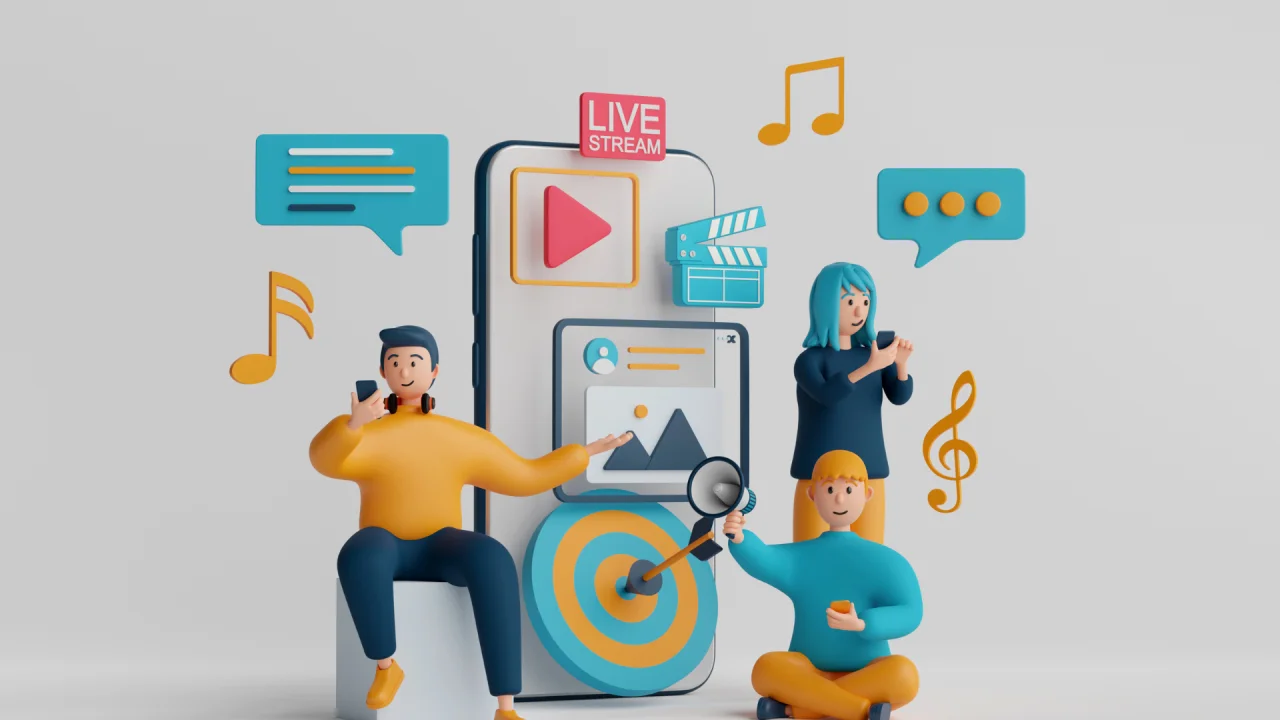
Short-form content is useful when the idea can be understood quickly. Hooks, product moments, reactions, before-and-after demonstrations, answers to common questions, and excerpts from longer content all work well when the point is clear without a long introduction.
The mistake is assuming short means context-free. A five-second visual still needs a recognizable brand, readable framing, and enough information for the viewer to understand why it matters.
How to Create More Effective Marketing Videos
Define the Audience Before the Script
Do not make one video for “everyone.” Identify the audience, the problem they are trying to solve, and what they already know. A first-time customer may need an explanation while an existing customer may need a comparison, tutorial, or reason to upgrade.
This is where broader branding work helps. A clear positioning and message hierarchy make it easier to decide what the video should emphasize and what can be left out.
Get to the Point Quickly
The opening should establish why someone should keep watching. That does not require shouting, fast cuts, or clickbait. It can be a useful demonstration, a clear problem, an unusual image, or the result the viewer wants to see.
Google describes effective YouTube creative through four principles: Attention, Branding, Connection, and Direction. Its ABCD guidance recommends getting to the story quickly, making branding visible, creating relevance, and giving viewers direction. The same principles are useful outside paid YouTube campaigns.
Design for Sound On and Sound Off
Some viewers will hear the video through headphones or speakers and others will encounter it silently. Use captions or on-screen text when the spoken information is necessary, but avoid filling every frame with competing text. Audio, motion, and text should reinforce one another.
Build for the Screen Where It Will Be Watched
A horizontal YouTube video, vertical Reel, website hero, and LinkedIn interview clip do not need the same crop or pacing. Plan the framing before the shoot so important faces, products, and text survive each version.
A strong mobile user experience also matters after the click. If a vertical social video sends a viewer to a slow or confusing mobile page, the campaign loses value even when the content performed well.
Keep the Visual System Recognizable
Video does not need to look identical from post to post, but recurring typography, colour, framing, motion, sound, and logo behaviour can make the content feel related. Your visual identity should explain what needs to stay consistent and what can change by format.
Teams with limited production resources can use an outside production company such as dream engine or edit internally. An online video editor can also help with simpler social content. The production method matters less than whether the final result supports the message and channel.
Where Should You Publish Video?

The right distribution mix depends on the audience and the purpose of the video. Publishing the same file everywhere without adapting the format usually wastes some of the creative.
Your Website
Use video when it helps a visitor understand a product, service, process, or proof point. Product demonstrations, founder messages, testimonials, and short explainers can strengthen a page when they support the task rather than delay it. Good website design makes the video optional rather than forcing essential information into a format a visitor must watch.
YouTube
YouTube suits explainers, demonstrations, interviews, tutorials, series, Shorts, and paid campaigns. Google Ads currently supports several video formats, including skippable and non-skippable in-stream ads, in-feed video ads, bumper ads, Shorts ads, and Masthead placements. Use the format that matches the objective rather than treating every YouTube view as equivalent.
TikTok and Instagram
These platforms are useful for short demonstrations, creator-led content, cultural moments, behind-the-scenes material, and serial formats. The creative should be native enough to fit the feed while still retaining the brand’s own voice and visual cues.
For B2B marketing, LinkedIn can support executive interviews, product explainers, customer stories, event clips, recruitment content, and subject-matter expertise. A useful business video does not need to be formal, but it should give the viewer a clear professional reason to keep watching.
Facebook, X, and Other Communities
These channels can still support video when the audience is active there. The platform should be chosen because the community and content format fit, not because a checklist says every brand needs a presence everywhere.
Measure Video Against the Job It Was Meant to Do
Do not judge every video by views. A high-reach awareness video and a product demo on a pricing page have different jobs. Select the measurement before publishing.
- For awareness: reach, qualified views, watch time, completion patterns, and branded search movement may matter.
- For engagement: saves, shares, comments, repeat viewers, and meaningful profile or site visits can show whether the content created interest.
- For leads or sales: track landing-page behaviour, conversions, assisted conversions, enquiries, and revenue where attribution supports it.
- For education or support: completion, reduced support questions, onboarding progress, or task success may matter more than public reach.
A wider set of marketing metrics can help connect content performance with business outcomes. The important part is to avoid turning a platform metric into a business result without evidence.
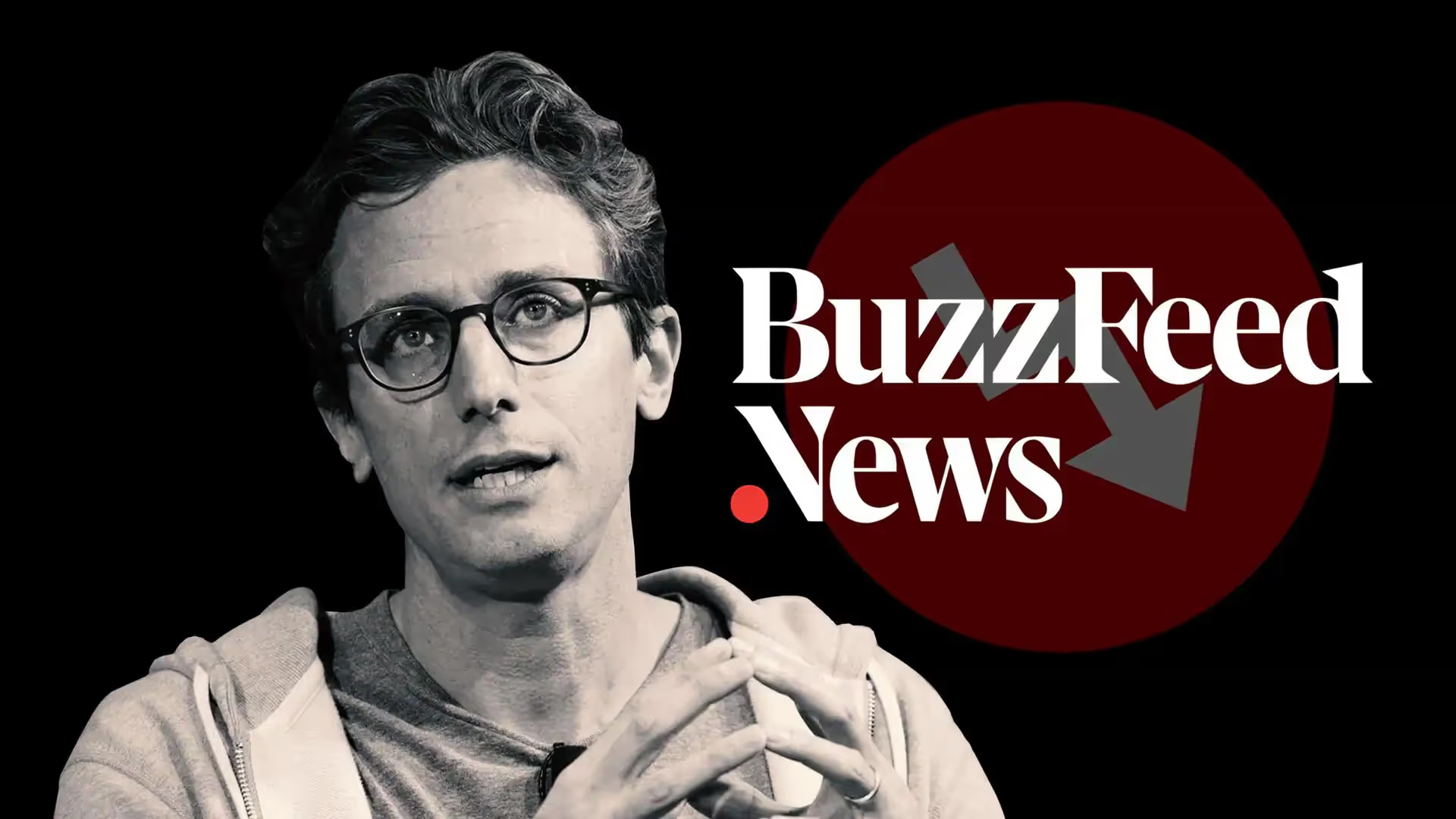
BuzzFeed’s early video growth is a useful comparison. Its channel system showed how formats could be designed for specific audiences, but the company later had to rethink how platform reach translated into a sustainable business. The updated BuzzFeed marketing strategy case study shows why distribution and monetization need to be planned together.
Build a Repeatable Video Marketing System
The strongest video strategy is one a team can keep producing and improving. Define recurring formats, a realistic production cadence, brand rules, channel-specific versions, approval responsibilities, and a small measurement framework. One strong idea can often become a long-form video, several short clips, a website asset, and supporting social posts.
For a Chicago company building that system, choosing a Chicago branding partner can help define the positioning and visual rules before production scales. Brand Vision can also help connect the brand, web experience, and campaign plan so the videos lead somewhere useful.


.webp)






