.avif)
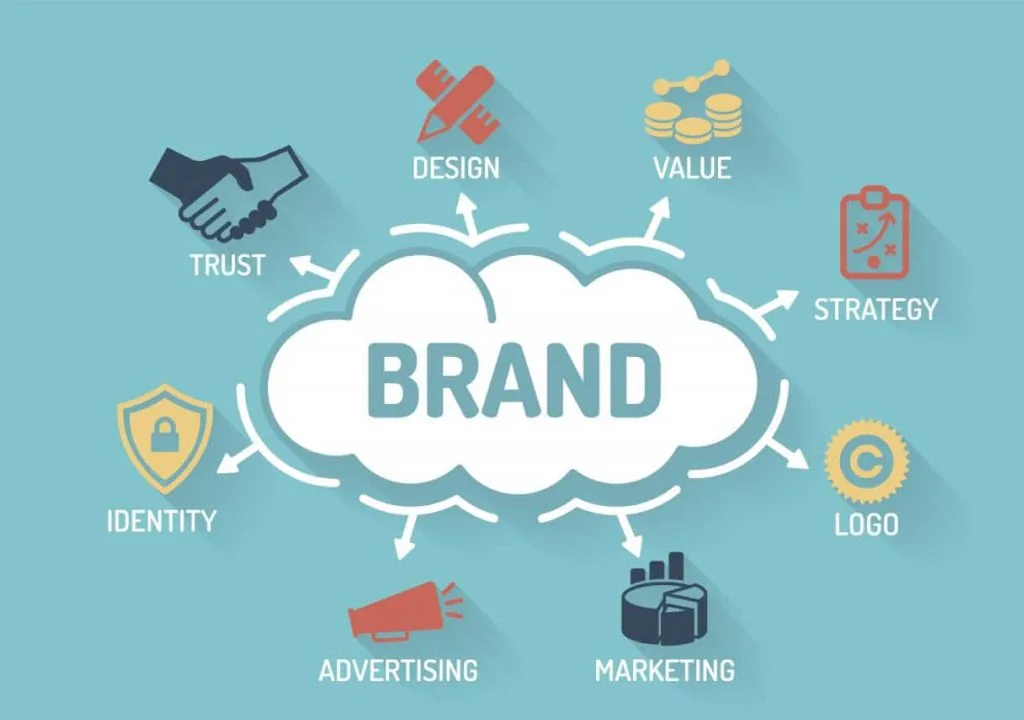
Real estate brands have to do more than look polished. Developers, pre-construction firms, agents, and brokerages all depend on trust, recognition, and a clear reason for clients or investors to choose them. A strong identity connects positioning, visual design, digital presence, sales materials, and the client experience so every touchpoint supports the same promise.
That makes branding part of the larger real estate marketing system, not a separate cosmetic exercise. The broader branding work defines how the business should be understood, while marketing turns that position into campaigns, content, search visibility, and lead generation.
.webp)
Real Estate Branding by Business Type
Development Companies
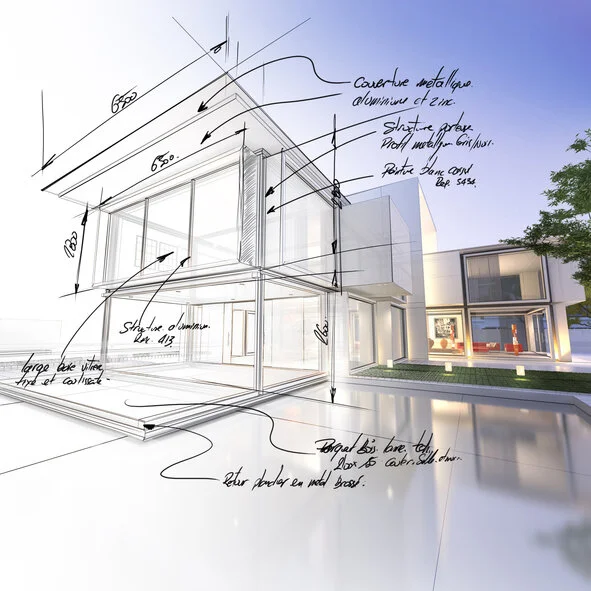
Development companies benefit from a brand that makes their long-term point of view easy to understand. Start with a clear vision, the types of projects the company wants to be known for, and the values that genuinely influence development decisions. That foundation should shape project naming, investor materials, websites, signage, presentations, and sales environments.
Past projects are especially useful proof. Case studies, photography, planning stories, and client or partner testimonials can show how the company approaches design, delivery, community context, or sustainability without relying on generic claims. Brand Vision's Leaside Blvd real estate branding case study is one example of a property identity being carried across digital and physical touchpoints.
Community participation can also reinforce the brand when it is substantive. Local events, public-realm improvements, charitable work, and transparent communication around active projects all give stakeholders more evidence of how the developer behaves beyond its marketing materials.

Pre-Construction Firms
Pre-construction branding has to build anticipation without outrunning the facts. Teasers, renderings, launch materials, sales galleries, and social content should create interest while keeping timelines, specifications, and project information clear. The brand should help people understand what is distinctive about the project rather than use exclusivity as a substitute for substance.
Consistency matters because buyers may encounter the project months before they make a decision. The name, visual system, messaging, website, brochures, signage, and sales presentation should feel connected throughout that longer consideration period. When construction methods, sustainability commitments, amenities, or design features are important differentiators, explain them specifically and update the communication as the project evolves.
Real Estate Agents
For individual agents, the personal brand often sits beside the brokerage brand. The goal is not to manufacture a personality, but to make expertise, market focus, communication style, and client value easy to recognize. A clear niche can help: first-time buyers, luxury properties, a particular neighborhood, investment properties, downsizing, or another area where the agent has credible experience.
Local knowledge is one of the strongest parts of an agent's brand because the work is geographically specific. Neighborhood guides, market updates, video tours, practical buyer or seller content, and complete business profiles can make that expertise visible. A focused local SEO strategy helps connect that useful local content with people searching for an agent or real estate service in the same market.
Testimonials and social content then provide proof and continuity. Use a consistent visual identity across listing presentations, social posts, email, signage, and the website, while keeping the voice recognizable and responsive rather than overly scripted.

Brokerages
Brokerages need a brand that can support both client acquisition and agent recruitment. Define the market the brokerage serves, the kinds of properties or clients it prioritizes, and what its operating model does differently. Training, support, technology, lead handling, and local expertise can all contribute to the brand if the organization can demonstrate them consistently.
A professional website should make listings, services, team information, market expertise, and contact paths easy to navigate. Partnerships can extend the client experience too, including mortgage brokers, interior designers, design-build firms in Toronto, home inspectors, and other specialists where the relationship adds practical value rather than existing only for cross-promotion.

Why Branding Matters in Real Estate
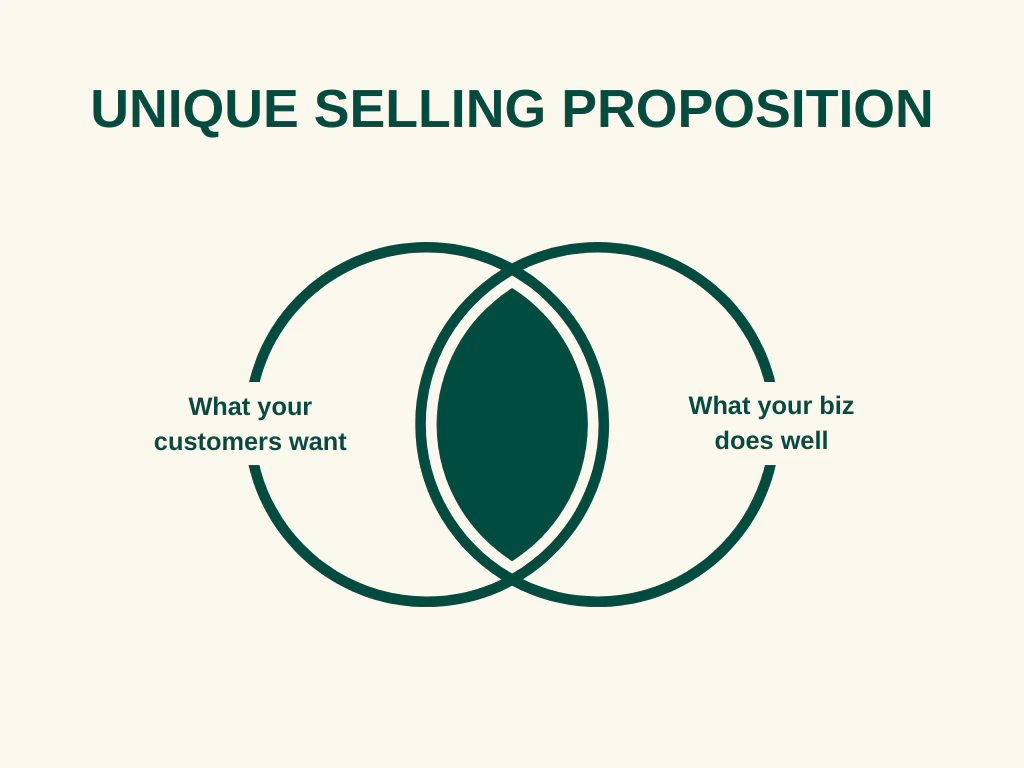
Real estate businesses often offer similar core services, so differentiation usually comes from a combination of market focus, expertise, process, client experience, and communication. A clear brand positioning gives those differences a structure. It helps a company decide which clients it wants to attract, what it wants to be known for, and which proof points deserve emphasis.
Consistency also reduces uncertainty. Buyers, sellers, investors, and partners may encounter the business through a listing, development sign, social post, search result, proposal, brochure, or referral. When those experiences communicate the same standards and message, the business is easier to recognize and evaluate. Branding cannot substitute for service quality or verified results, but it can make genuine strengths easier to understand.
Trust, Communication, and Social Proof
Real estate decisions involve substantial commitments, which makes clarity important. Brand messaging should explain services, process, expertise, and expectations without exaggeration. Testimonials, case studies, reviews, completed projects, and useful market content can support that message with evidence from real work.
The emotional side of the category matters as well. Homes, neighborhoods, workplaces, and development projects carry personal and financial meaning. A strong brand story can help a business communicate the human context of its work, but it is most credible when the experience clients receive matches the story being told.

Where a Real Estate Brand Has to Show Up
Website and User Experience
The website is one of the most important places where brand and performance meet. Design, typography, photography, copy, listings, navigation, forms, and calls to action should feel coherent, but the site also has to help people complete real tasks. A polished identity loses value if visitors cannot find properties, understand services, or contact the right person.
That is why user experience should support the brand's positioning rather than sit underneath it as a technical afterthought. For practical conversion ideas, Brand Vision's guide to a real estate website that generates leads covers valuation tools, neighborhood content, booking, and other features that move visitors toward contact.
Collateral and Outdoor Branding
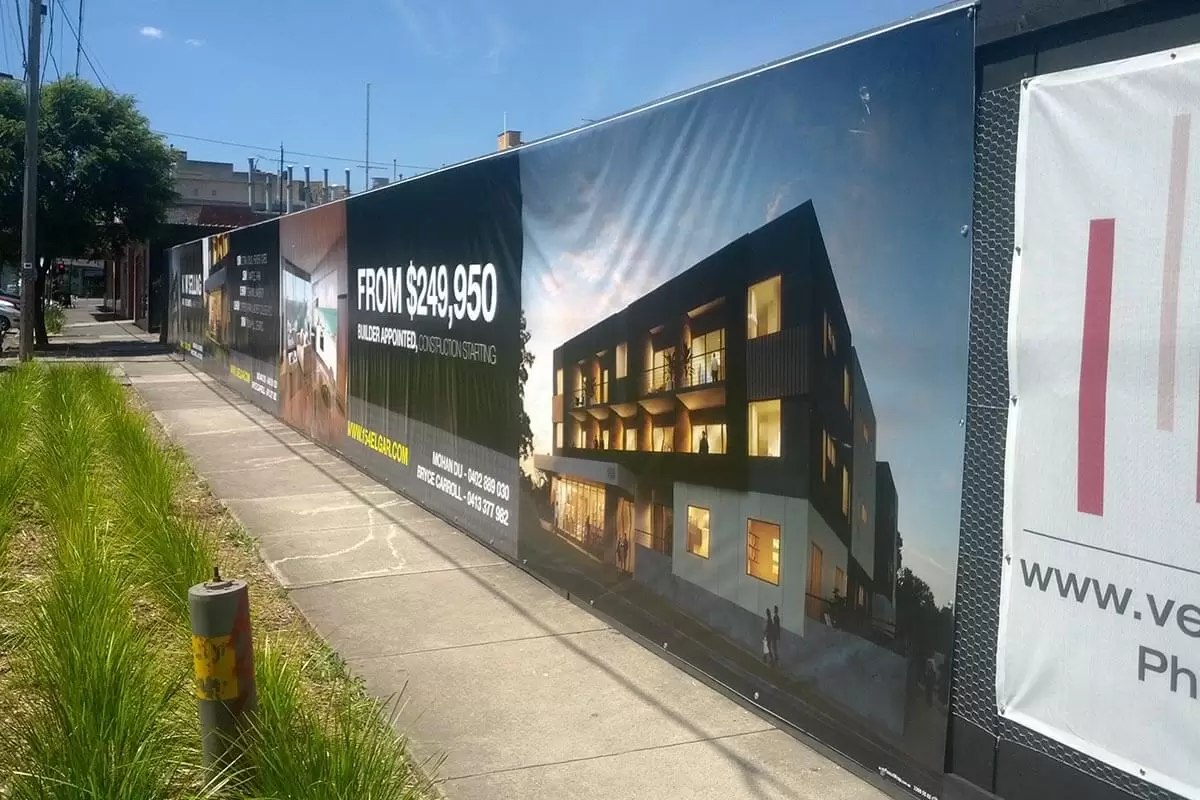
Brochures, business cards, presentation decks, sales-center materials, signage, fence wraps, and open-house assets create physical brand touchpoints. They should use the same typography, imagery, colors, and messaging hierarchy as the digital system. Purpose-built graphic design helps those materials remain recognizable while adapting to very different formats.
For development and construction projects, fence wraps and outdoor signage can also communicate the project before completion. The most useful versions do more than display a logo: they identify the project, create a clear visual system, and make essential information readable at the distance and speed at which people encounter it.
Brand Guidelines
As more agents, designers, printers, developers, marketers, and outside partners create materials, consistency becomes harder to maintain informally. Brand guidelines should document logo use, colors, typography, imagery, tone of voice, layouts, and examples of how the system works across common touchpoints. Brand Vision's brand guidelines guide explains how to turn those rules into a practical reference rather than a presentation that sits unused.
Closing Gifts, Packaging, and Events
Physical products such as closing gifts, welcome packages, presentation folders, or event materials can extend the brand into the client experience. The goal is not to place a logo on every object. Choose touchpoints that are useful, appropriate to the relationship, and consistent with the business's positioning.

Build the Brand as a System
Real estate branding is strongest when positioning, identity, website, local visibility, sales materials, and client experience reinforce one another. Developers may need a project system that can live for years. Agents may need a personal brand rooted in local expertise. Brokerages may need a platform that works for both clients and agents. The format changes, but the principle stays the same: make the business easy to recognize, easy to understand, and consistent with the experience it actually delivers.
If a real estate team needs to align its brand, website, and marketing around one clear position, contact Brand Vision to discuss the touchpoints that matter most.



%2520(1).png)