Montblanc’s transformation from a small German pen manufacturer in 1906 to a leader in global luxury highlights the power of a well-executed marketing strategy. While its foundation lies in crafting top class writing pens, the brand has used marketing to expand into a full lifestyle offering, including watches, leather goods, fragrances, and more.
Montblanc has redefined how luxury is communicated, blending its heritage of craftsmanship with contemporary innovation. By crafting a brand story that resonates across generations and markets, Montblanc has become synonymous with sophistication and aspiration, proving that luxury is as much about experience as it is about the products themselves.
Early Beginnings: The Pen That Started It All
Montblanc began in 1906 in Hamburg, Germany, as a company focused on creating luxury writing tools like pens. The brand became known for its attention to detail, with the launch of its Meisterstück fountain pen in 1924 marking a turning point; these pens retail for over $800. This pen wasn’t just a tool—it became a symbol of status as an extension. For decades, Montblanc built its reputation around this iconic product, focusing on quality and timeless design.
- Montblanc's star emblem symbolizes the snow-covered peak of Mont Blanc, Europe’s highest mountain.
View this post on Instagram
A post shared by Montblanc (@montblanc)
Expanding the Vision: From Stationery to Lifestyle
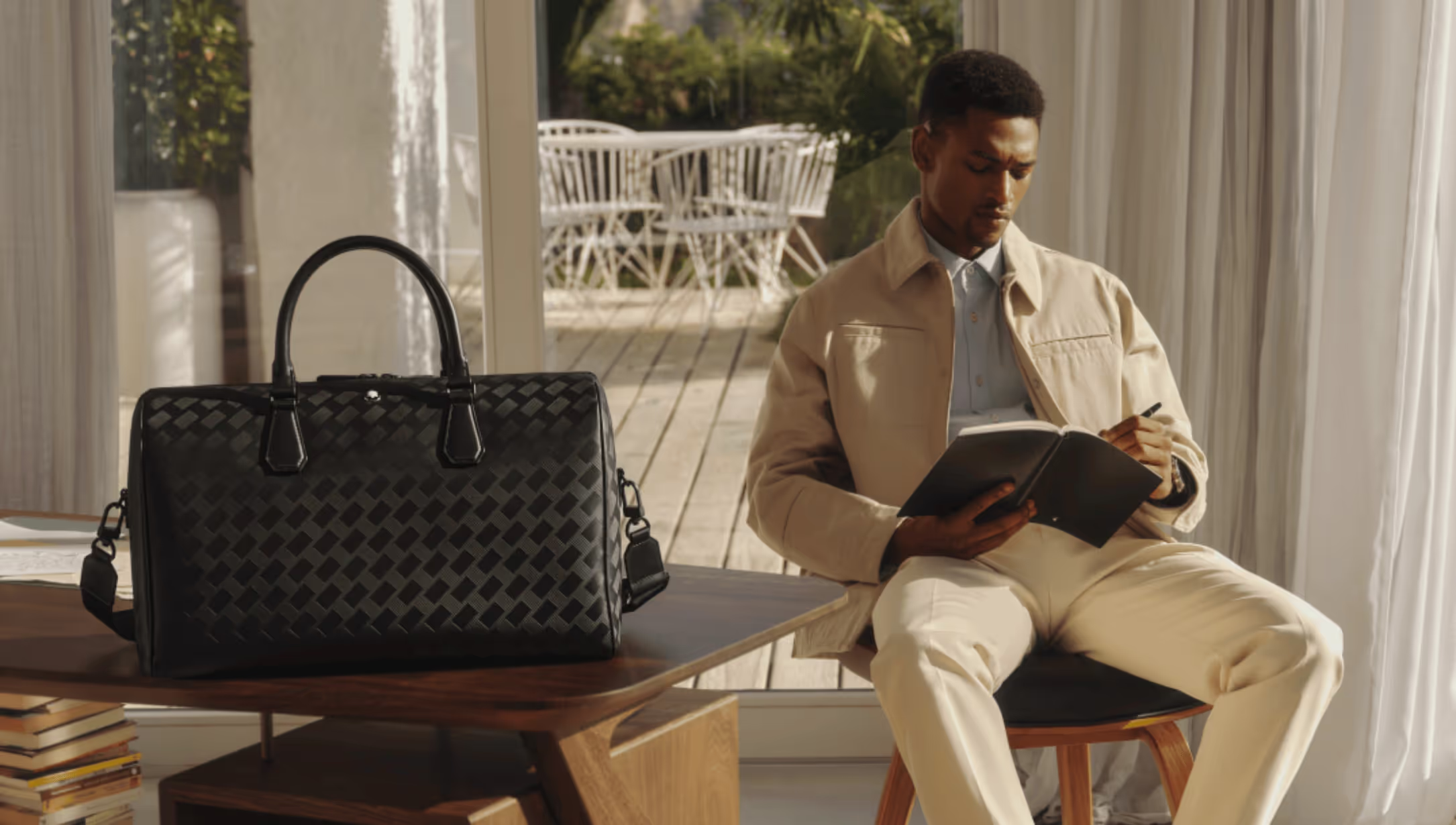
As Montblanc’s reputation for luxury grew, so did its ambitions. By the mid-20th century, the company began expanding its portfolio. It introduced leather goods, watches, and jewelry, all crafted with the same commitment to excellence that defined its pens. Each product carried the Montblanc star emblem, symbolizing the brand’s promise of craftsmanship and sophistication. This diversification allowed Montblanc to cater to a broader audience, moving from a niche stationery brand to a global lifestyle name.
- Montblanc watches, introduced in 1997, have become a hallmark of Swiss horology.
View this post on Instagram
A post shared by Montblanc (@montblanc)
- Leather goods such as wallets and bags now constitute a significant part of the brand's offerings.
- Montblanc's jewelry line caters to both men and women.
View this post on Instagram
A post shared by Montblanc (@montblanc)
Marketing Luxury: Storytelling as Strategy
Montblanc’s marketing has always centered on storytelling. The brand positions its products not as mere items but as tools for achievement and expression. Campaigns often emphasize heritage and craftsmanship, appealing to customers who value tradition and quality. For example, Montblanc’s “The Art of Writing” campaigns celebrate the personal connection people have with handwritten notes, even in a digital age.
Collaborations with artists, authors, and cultural icons have also been key. Limited-edition collections honor figures like Ernest Hemingway and Mahatma Gandhi, reinforcing the idea that Montblanc products are linked to creativity and influence. This approach helps the brand maintain relevance while staying true to its roots.
- Montblanc’s "The Art of Writing" campaign helped revive interest in handwritten correspondence.
- Limited-edition pens often retail for thousands of dollars, with some editions selling out within days.
- The company’s focus on cultural storytelling creates emotional connections with its audience.
View this post on Instagram
A post shared by Montblanc (@montblanc)
Adapting to the Modern Consumer
In recent years, Montblanc has embraced modern marketing methods to connect with younger audiences. The brand has a strong presence on social media, sharing visually stunning content that highlights the craftsmanship behind its products. Influencers and celebrities often showcase Montblanc pens, watches, and bags, making the brand aspirational yet approachable.
With their revenue estimated to be over $900 Million per year, the company has also adapted its product line to appeal to changing consumer tastes. For instance, Montblanc now offers sleek smartwatches and minimalistic leather bags that blend traditional craftsmanship with modern functionality. These moves have helped the brand attract a tech-savvy, style-conscious demographic without alienating its loyal customers.
- Montblanc's Summit smartwatch series bridges traditional aesthetics with technology of the future.
- The brand’s Instagram engagement rates outperform many competitors in the luxury space.
- Digital personalization, such as engraved pens ordered online, appeals to tech-oriented consumers.
View this post on Instagram
A post shared by Montblanc (@montblanc)
The Iconic Montblanc Colognes
In 2011, Montblanc made its mark on the fragrance world with the launch of Legend, its first cologne. Designed to embody confidence and timeless masculinity, Legend features notes of lavender, bergamot, and sandalwood, making it a modern classic. The success of this scent laid the groundwork for future fragrances, solidifying Montblanc’s place in the luxury cologne market.
The brand continued its success with Explorer, a cologne that celebrates adventure and the spirit of discovery. Released in 2019, Explorer features fresh top notes of bergamot combined with earthy vetiver and patchouli, appealing to those who seek sophistication and wanderlust in a bottle. Montblanc’s fragrances are crafted to complement its other products, offering customers a holistic luxury experience that reflects elegance and refinement.
- Montblanc fragrances rank among the top sellers in the men’s luxury cologne market.
- Legend has been described as one of the best colognes for both casual and formal settings.
- Montblanc colognes are often positioned as affordable luxury, priced to compete with high-end scents.
View this post on Instagram
A post shared by Montblanc (@montblanc)
Retail Experience: Selling the Lifestyle
Montblanc’s retail strategy is just as refined as its products. Stores are designed to reflect the brand’s commitment to luxury, with elegant displays and attentive service that immerse customers in the Montblanc experience. Flagship stores in cities like New York, Tokyo, and Paris serve as hubs for the brand’s identity, offering exclusive collections and personalized services.
Online, Montblanc’s e-commerce platform mirrors this premium experience, with detailed product descriptions, customization options, and seamless navigation. By blending physical and digital touchpoints, the brand ensures it meets the expectations of modern consumers.
- Montblanc operates over 600 boutiques worldwide, with a strong presence in high-fashion shopping districts.
- Online sales have grown by double digits annually, fueled by digital campaigns and global reach.
- Flagship stores often host events to engage with high-net-worth customers and brand enthusiasts.
Staying True to Its Core
Despite its evolution, Montblanc remains committed to its core values of craftsmanship, innovation, and timelessness. Whether it’s a fountain pen or a luxury watch, every product tells a story of meticulous attention to detail and a passion for excellence. This dedication has allowed Montblanc to remain a symbol of sophistication for over a century, appealing to everyone from business professionals to cultural icons.
- Montblanc’s products are sold in over 60 countries, it is in fact a global brand that is desired all across the globe.
- Montblanc remains a staple in luxury gifting, especially for corporate, milestone and romantic occasions.
Montblanc’s journey shows how a brand can grow without losing its identity. By staying committed to quality and carefully expanding into new areas, it has evolved from crafting pens to becoming a global symbol of refined luxury. Its focus on craftsmanship and timeless design continues to resonate with generations of consumers.

%2520(1).png)
.png)